Table des matières
Introduction
Un sol de fitness bondé laisse peu de place pour des temps d'arrêt évitables Une fixation desserrée, un câble usé, un siège instable ou un cordon d'alimentation endommagé peut rapidement transformer un petit défaut en une machine hors service Un programme pratique d'entretien de l'équipement de gymnastique aide les gestionnaires d'installation à trouver la détérioration tôt, à attribuer la responsabilité et à tenir des dossiers utiles sans transformer chaque inspection en exercice de paperasse.
Ce guide donne aux propriétaires de salles de sport commerciales, aux responsables des opérations et aux équipes de service une liste de contrôle claire pour l'entretien des équipements de gymnastique pour les machines de musculation, les équipements chargés de plaques, les bancs, les supports et les unités cardio. Il s'agit d'un cadre opérationnel et non d'un remplacement du manuel fourni avec chaque machine, un technicien compétent ou les exigences légales qui s'appliquent à votre emplacement.
Pourquoi l’entretien des équipements de gymnastique nécessite un plan basé sur les risques
Les intervalles fixes du calendrier sont utiles, mais ils ne doivent pas être la seule entrée La maintenance des équipements de gymnastique doit refléter la fréquence d'utilisation d'une machine, les charges qu'elle subit, son environnement, ses pièces critiques pour la sécurité et les instructions du fabricant Une machine sélectorisée à côté de l'entrée peut nécessiter plus souvent de l'attention qu'un banc peu utilisé dans une salle d'entraînement privée.
Le Health and Safety Executive du Royaume-Uni conseille que la fréquence des inspections soit déterminée au moyen d'une évaluation des risques, en tenant compte des recommandations du fabricant et de son expérience opérationnelle. Ses orientations sur inspection des équipements de travail met également en garde contre les listes de contrôle qui deviennent des exercices superficiels de case à cocher. Cela maintient l’entretien des équipements de gymnastique proportionnel au risque réel : inspectez ce qui compte, enregistrez les résultats significatifs et agissez en cas de défauts.
Pour les équipements d'entraînement stationnaires intérieurs, ISO 20957-1:2024 fournit un point de référence utile pour les exigences générales de sécurité et les méthodes d'essai L'entretien des installations n'est pas la même chose que la certification des produits, mais les acheteurs et les exploitants doivent comprendre quelle classe d'équipement ils possèdent et conserver la documentation fournie avec celle-ci.
Créer un inventaire d'équipement et une base de référence de service
L'entretien efficace de l'équipement de salle de sport commence par un inventaire Donnez à chaque unité un numéro d'actif unique et enregistrez son modèle, son numéro de série, sa date d'installation, son emplacement, son manuel, les informations de garantie et son contact avec le service Photographier la machine après l'installation afin que le personnel ultérieur puisse comparer les positions des gardes, le routage des câbles, la sellerie, les étiquettes et le matériel.
- Équipement de groupe par type : à plaques, sélectorisé, câble, banc ou rack, et cardio alimenté.
- Identifiez les composants critiques pour la sécurité tels que les câbles, les courroies, les broches, les protections, les soudures, les points d'ancrage, les arrêts d'urgence et les connexions électriques.
- Enregistrez les instructions d'inspection, de nettoyage, de lubrification, de couple et de remplacement du fabricant.
- Affecter un propriétaire pour les contrôles quotidiens et une personne compétente pour les travaux techniques.
- Créez une “clairn'utilisez pas le processus” pour un équipement défectueux.
Si vous planifiez toujours un étage, examinez les différences entre les types d'équipement dans notre guide d'équipement d'entraînement en force. L'accès à l'entretien des équipements de gymnastique doit être envisagé avant le positionnement des machines ; les techniciens ont besoin de suffisamment d’espace pour atteindre les couvercles, les points d’ancrage, les câbles et les connexions électriques en toute sécurité.
Liste de contrôle quotidienne de maintenance des équipements de gymn
L'entretien quotidien de l'équipement de gymnastique doit être suffisamment bref pour être effectué avant l'ouverture ou pendant une période de calme Le personnel recherche des changements évidents, et non des machines de démontage Demandez-leur de déplacer chaque réglage dans sa plage normale et d'écouter les sons qui n'étaient pas présents lors du contrôle précédent.
- Confirmez que la machine est stable et n'a pas bougé de sa position prévue.
- Recherchez les attaches lâches, manquantes, pliées ou saillantes.
- Vérifiez le rembourrage pour détecter les déchirures, les bords exposés, l'humidité ou les coutures lâches.
- Inspectez les poignées, les repose-pieds, les pédales, les broches de réglage et les broches de sélection.
- Regardez le long des câbles et des courroies visibles pour déceler les effilochages, les fissures, l'aplatissement ou un suivi incorrect.
- Confirmez que les protections, les couvertures, les étiquettes et les autocollants d'avertissement sont présents et sécurisés.
- Sur les équipements alimentés, inspectez les cordons et fiches accessibles sans ouvrir les boîtiers électriques.
- Nettoyez les surfaces à haute touche avec des produits adaptés au matériau.
- Étiqueter et isoler toute unité qui ne peut pas être utilisée en toute sécurité.
L'enregistrement quotidien peut être simple : ID d'actif, date, vérificateur, réussite/échec, défaut et action La maintenance de l'équipement de gymnastique devient plus fiable lorsqu'un élément en panne crée automatiquement un ordre de travail plutôt que de disparaître dans un carnet.
Tâches d'inspection hebdomadaires
Une ronde hebdomadaire d'entretien de l'équipement de gymnastique devrait aller plus loin que la vérification visuelle quotidienne Utilisez le bon manuel avant de serrer, lubrifier ou ajuster quoi que ce soit L'application d'un mauvais couple ou lubrifiant peut créer un nouveau problème plutôt que d'en résoudre un.
- Vérifiez les joints de cadre accessibles, les zones de soudure, les boulons et les ancrages de sol pour détecter tout mouvement ou corrosion.
- Inspectez la course visible complète des câbles, courroies, poulies et tiges de guidage.
- Réglages du siège d'essai, du dossier, du levier et de l'amplitude de mouvement.
- Confirmez que les cornes de poids, les chevilles de stockage, les attrapés et les butées restent sécurisés.
- Recherchez sous les machines des débris, des fluides, de la poussière de caoutchouc, des particules métalliques ou des pièces détachées.
- Testez les fonctions d'arrêt d'urgence et les clés de sécurité sur les unités motorisées conformément au manuel.
- Examiner les défauts ouverts et vérifier que l'équipement isolé n'a pas repris son utilisation prématurément.
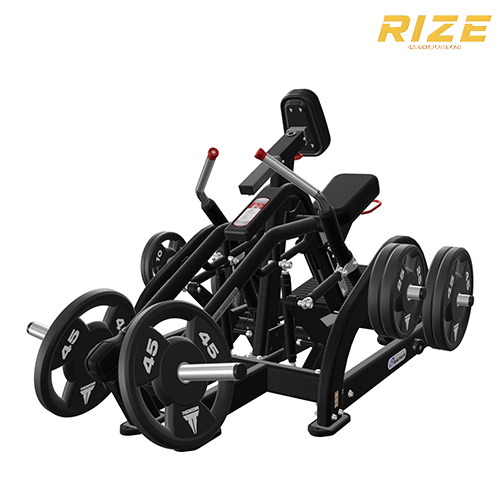
Une rangée basse chargée de plaques, par exemple, a des priorités d'inspection différentes d'un tapis roulant Son contrôle de maintenance de l'équipement de gymnastique doit se concentrer sur le cadre, les pivots, les poignées, les réglages des sièges, le stockage du poids, le support des pieds, les arrêts de portée et toute attache qui affecte le chemin de mouvement. Voir le Page de produit RZ-DX04 en ligne basse pour un exemple des spécifications, les opérateurs doivent conserver le dossier d'actifs. L’utilisation de champs spécifiques au modèle facilite l’audit de la maintenance des équipements de gymnastique sur un étage mixte.
Tâches de maintenance mensuelles et trimestrielles
L'entretien mensuel et trimestriel de l'équipement de gymnastique doit être programmé pendant les temps d'arrêt contrôlés C'est le point d'examiner les défauts récurrents, de vérifier les pièces moins accessibles et d'accomplir les tâches qui nécessitent un technicien qualifié L'intervalle exact doit suivre la documentation de l'équipement, les exigences locales et votre historique d'inspection.
- Comparez l'état du câble, de la courroie, de la chaîne, du roulement et de la poulie avec les limites de remplacement documentées.
- Vérifiez l'alignement du cadre, la corrosion, les finitions de protection et les signes d'impact.
- Vérifiez l'ancrage, les dégagements, la stabilité et l'état du sol.
- Inspectez les gardes et les couvertures d'accès avant et après le travail de service.
- Examinez les systèmes électriques, de conduite, de freinage et de contrôle uniquement au niveau de compétence autorisé pour votre personnel.
- Remplacez les pièces usées par des composants documentés et compatibles.
- Vérifiez le journal pour détecter les défauts répétés, les ordres de travail retardés et les machines ayant une demande de service inhabituellement élevée.
Les orientations du HSE sur entretien du matériel de travail met l'accent sur la planification, l'arrêt en toute sécurité, des instructions claires et un personnel compétent. Ces principes sont précieux même lorsque la réglementation britannique ne s'applique pas, car une maintenance mal planifiée peut exposer le personnel et les membres à des dangers.
Que Inspecter par Type d'équipement
Un seul formulaire de maintenance de l'équipement de gymnastique ne doit pas traiter chaque machine comme identique Gardez une première page commune pour les informations sur les actifs et les défauts, puis ajoutez des champs spécifiques à l'équipement. Cette structure permet à l'entretien de l'équipement de gymnastique de rester cohérent sans cacher les risques propres à chaque type de machine.
| Type d'équipement | Points d'inspection prioritaires | Vérification typique du personnel |
|---|---|---|
| Force chargée de plaques | Cadre, zones de soudure, pivots, butées, poignées, coussinets, cornes de poids, chevilles de rangement | Stabilité, mouvement, réglage, usure visible |
| Force sélectorisée | Câbles, poulies, tiges de guidage, protège-pile, goupille de sélection, butées d'extrémité | Chemin de câble, engagement de broche, déplacement en douceur |
| Bancs et racks | Des montants, des prises, des points de réglage, des coussinets, des pieds, des ancrages | Basculement, déformation, réglages sécurisés |
| Cardio alimenté | Cordon d'alimentation, arrêt d'urgence, courroie ou système d'entraînement, pédales, commandes, couvercles | Fonction de pré-utilisation et condition visible uniquement |
Pour les équipements à points de mouvement ou de pincement exposés, les protections doivent rester correctement installées Le Ressources de protection des machines OSHA expliquer les concepts généraux de garde, mais les règles applicables dépendent de la juridiction et de l'équipement Ne retirez jamais un garde simplement parce qu'il rend le nettoyage ou le réglage plus rapide.
Les opérateurs gérant une grande zone chargée de plaques peuvent également utiliser notre guide-machine chargé de plaques organiser les familles d'équipements et créer des terrains de maintenance cohérents des équipements de gymnastique sur des machines similaires.
Équipement propre sans matériaux nocifs
Le nettoyage fait partie de l'entretien des équipements de gym, mais une approche plus forte n'est pas toujours meilleure Un produit chimique inadapté peut décolorer le rembourrage, attaquer les revêtements, brouiller un affichage, retirer les étiquettes imprimées ou laisser des résidus sur les poignées Suivez les instructions de la machine et du produit de nettoyage, utilisez le temps de contact indiqué où la désinfection est requise et ne vaporisez jamais de liquide directement dans les commandes électriques, les roulements ou les ouvertures.
Le Conseils de nettoyage des installations du CDC recommande le nettoyage régulier des surfaces à haute toucher et l'utilisation de produits appropriés pour la surface Il distingue également le nettoyage de routine de la désinfection après une maladie connue Les gestionnaires d'installations devraient former le personnel, conserver les fiches de données de sécurité et inclure le nettoyage compatible avec les matériaux dans la procédure d'entretien de l'équipement de gymnastique.
Comparez les approches de maintenance
La plupart des installations utilisent un mélange de maintenance interne des équipements de gymnastique et de soutien spécialisé La bonne division dépend de la compétence du personnel, de la complexité de l'équipement, des conditions de garantie, des règles locales et de l'accès aux pièces et à la documentation.
| Approche | Le mieux adapté à | Limites |
|---|---|---|
| Personnel interne formé | Nettoyage, contrôles avant utilisation, ajustements documentés simples, rapports de défauts | Doit rester dans les compétences et les instructions du fabricant |
| Technicien de service indépendant | Travaux programmés de contrôle technique, de diagnostic, de réparation, d'électricité ou de système d'entraînement | Besoin de connaissances sur les modèles, de documentation et de pièces compatibles |
| Support constructeur | Travaux de garantie, défauts inhabituels, mises à jour critiques pour la sécurité, pièces spécifiques au modèle | Le délai d'exécution et la disponibilité locale peuvent varier |
Ne laissez pas la commodité décider qui exécute une tâche Un programme réussi d'entretien de l'équipement de gymnastique indique ce que le personnel peut faire, ce qui doit être intensifié, qui autorise le retour en service et où les preuves sont stockées.
Construire un journal de maintenance utile
Un journal de maintenance de l'équipement de gymnastique devrait aider la personne suivante à prendre une décision Enregistrez l'ID de l'actif, la date, les heures de fonctionnement ou la bande d'utilisation si disponible, le type d'inspection, les observations, les mesures prises, les pièces utilisées, la personne responsable et l'approbation de retour au service Joignez des photographies lorsqu'un défaut est difficile à décrire.
Utilisez des catégories de défauts cohérentes telles que l'usure des câbles, le revêtement, la fixation, la stabilité, le réglage, l'électricité, le bruit, la corrosion, le nettoyage et les dommages causés par l'utilisateur. Au fil du temps, le journal peut indiquer quelles machines nécessitent des intervalles plus courts, quelles pièces doivent être stockées et si la disposition originale du sol rend l'accès au service difficile.
Si votre installation utilise des stations de câblodistribution, le chemin de déplacement et le stockage des pièces jointes méritent leurs propres champs Notre guide du formateur fonctionnel explique la disposition opérationnelle de ce type d'équipement et peut aider les équipes à définir une liste de contrôle plus spécifique pour la maintenance des équipements de gymnastique.
Quand retirer l'équipement du service
Le personnel ne devrait pas être obligé de débattre d'un défaut grave pendant que les membres attendent La politique d'entretien de l'équipement de gymnastique devrait nommer les conditions qui déclenchent une isolation immédiate, comme un câble ou une ceinture endommagé, un cadre instable, une goupille de verrouillage défaillante, une garde manquante, une pièce structurelle fissurée, un conducteur électrique exposé, un arrêt d'urgence inefficace, un mouvement incontrôlé ou toute condition que le vérificateur ne peut pas évaluer avec confiance.
Utiliser une étiquette hors service visible et, lorsque cela est pratique, empêcher l'accès Enregistrer qui a identifié le défaut et qui est autorisé à libérer la machine Une surface essuyée ou un panneau cosmétique serré ne résout pas un défaut lié à la sécurité L'entretien de l'équipement de gymnastique n'est terminé qu'après la fin de l'inspection, de la réparation, de la vérification de la fonction et de la documentation de remise en service requises.
Quand appeler un technicien ou un fabricant
Escalader l'entretien des équipements de gym lorsque la tâche implique des boîtiers électriques, des systèmes d'entraînement, une réparation structurelle, des câbles ou des courroies critiques pour la sécurité, des limites de remplacement inconnues, des défauts récurrents, des conditions de garantie ou une réparation qui modifie la configuration d'origine Contactez le fabricant lorsque vous avez besoin du manuel correct, des spécifications des pièces, du bulletin de service ou des éclaircissements sur un point d'inspection.
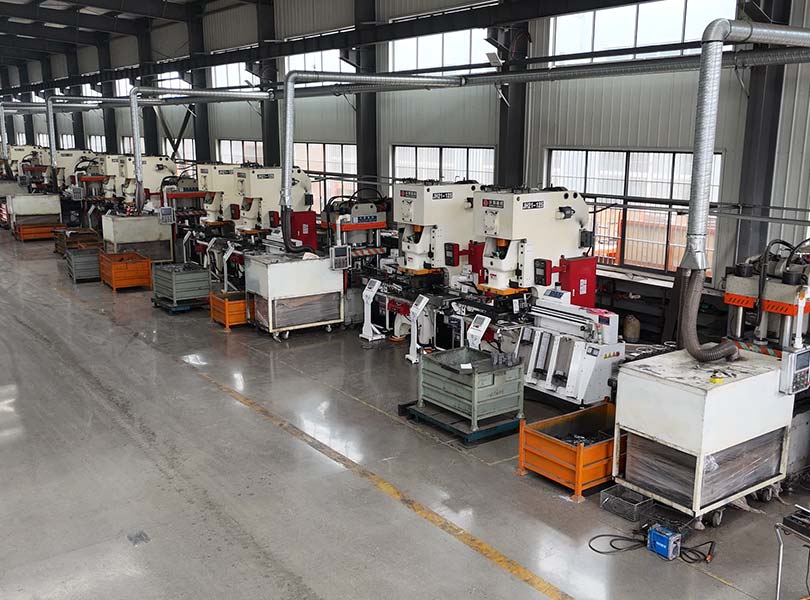
Lors de l'évaluation de nouveaux équipements, demandez les détails d'accès au service, les instructions de maintenance, l'identification des pièces et le support technique avant que la commande ne soit finalisée Vous pouvez consulter celle de Rize Sport gamme d'équipements de fitness commerciaux et contactez l'équipe avec des questions spécifiques au modèle pour un sol de salle de sport prévu.
Foire aux questions
À quelle fréquence les équipements de gymnastique commerciale doivent-ils être inspectés ?
Utilisez des contrôles quotidiens avant utilisation, puis définissez des intervalles plus profonds d'entretien de l'équipement de gymnastique à partir des instructions du fabricant, de l'évaluation des risques, de l'utilisation, de l'environnement et de l'historique d'utilisation élevée ou critique pour la sécurité peut nécessiter des intervalles plus courts que les unités peu utilisées.
Que faut-il inclure dans une liste de contrôle d'entretien de l'équipement de gymnastique ?
Inclure l'identification des actifs, la stabilité, les attaches, les réglages, les câbles ou courroies, les poulies, les protections, le rembourrage, les étiquettes, les connexions électriques, l'état de nettoyage, les défauts, les actions, la personne responsable et l'approbation de retour au service. Ajouter des champs spécifiques à chaque type d'équipement.
Le personnel de gym peut-il effectuer toutes les tâches de maintenance ?
Nbre Le personnel peut accomplir des tâches pour lesquelles il est formé et autorisé, comme le nettoyage et les contrôles visuels documentés La maintenance technique de l'équipement de gymnastique, les travaux électriques, les réparations structurelles et le remplacement des composants critiques pour la sécurité doivent être affectés à un personnel compétent.
Quels produits de nettoyage sont sûrs pour les équipements de fitness ?
Utiliser des produits approuvés pour le rembourrage, les revêtements, les poignées, les plastiques, les présentoirs et l'électronique de la machine Suivez à la fois les instructions relatives à l'équipement et aux produits chimiques Évitez de pulvériser des liquides dans les ouvertures ou d'utiliser des produits chimiques non approuvés qui pourraient endommager des matériaux ou des étiquettes.
Pourquoi une installation devrait-elle tenir un journal de maintenance ?
Un journal indique ce qui a été vérifié, ce qui a changé, qui a agi et si l'équipement était sûr pour reprendre du service Il aide également les gestionnaires à affiner les intervalles d'entretien de l'équipement de gymnastique, à planifier les pièces, à identifier les défauts répétés et à démontrer que les problèmes signalés ont été résolus.
Transformez la liste de contrôle en une habitude de fonctionnement
La meilleure liste de contrôle de maintenance des équipements de gymnastique est celle que votre équipe peut compléter, comprendre et améliorer Commencez par un inventaire précis, séparez les contrôles quotidiens du service technique, documentez les défauts significatifs et raccourcissez ou prolongez les intervalles uniquement lorsque les manuels, les risques et l'historique des inspections soutiennent le changement.
Si vous spécifiez de l'équipement pour une nouvelle salle de sport commerciale ou remplacez des machines difficiles à entretenir, contactez Rize Sport avec votre plan d'étage, vos utilisateurs cibles, vos types d'équipement préférés et vos exigences de service. L'équipe peut vous aider à comparer les configurations appropriées et à préparer la documentation du modèle pour votre examen des achats.