جدول المحتويات
مقدمة
أرضية اللياقة البدنية المزدحمة لا تترك مساحة كبيرة لوقت التوقف عن العمل الذي يمكن تجنبه. يمكن أن يؤدي التثبيت الفضفاض أو الكابل البالي أو المقعد غير المستقر أو سلك الطاقة التالف إلى تحويل عيب صغير بسرعة إلى آلة خارج الخدمة. يساعد برنامج صيانة معدات الصالة الرياضية العملي مديري المرافق على اكتشاف التدهور مبكرًا، وتعيين المسؤولية، والاحتفاظ بسجلات مفيدة دون تحويل كل فحص إلى تمرين ورقي.
يمنح هذا الدليل مالكي صالات الألعاب الرياضية التجارية ومديري العمليات وفرق الخدمة قائمة مرجعية واضحة لصيانة معدات الصالة الرياضية لآلات القوة والمعدات المحملة باللوحات والمقاعد والرفوف ووحدات القلب. إنه إطار تشغيلي، وليس بديلاً للدليل المرفق مع كل آلة، أو فني مختص، أو المتطلبات القانونية التي تنطبق في موقعك.
لماذا تحتاج صيانة معدات الصالة الرياضية إلى خطة قائمة على المخاطر
تعتبر الفواصل الزمنية الثابتة مفيدة، ولكن لا ينبغي أن تكون المدخل الوحيد. يجب أن تعكس صيانة معدات الصالة الرياضية عدد مرات استخدام الآلة، والأحمال التي تتعرض لها، وبيئتها، وأجزائها الحيوية للسلامة، وتعليمات الشركة المصنعة. قد تحتاج الآلة المختارة الموجودة بجانب المدخل إلى الاهتمام أكثر من المقعد المستخدم بشكل خفيف في غرفة التدريب الخاصة.
ينصح المدير التنفيذي للصحة والسلامة في المملكة المتحدة بضرورة تحديد وتيرة التفتيش من خلال تقييم المخاطر، مع الأخذ في الاعتبار توصيات الشركة المصنعة وخبرة التشغيل. إرشاداتها بشأن فحص معدات العمل يحذر أيضًا من قوائم المراجعة التي تصبح تمارين سطحية. وهذا يحافظ على صيانة معدات الصالة الرياضية بما يتناسب مع المخاطر الفعلية: فحص ما يهم، وتسجيل النتائج ذات المغزى، والتصرف بشأن العيوب.
لمعدات التدريب الثابتة الداخلية،, ايزو 20957-1:2024 يوفر نقطة مرجعية مفيدة لمتطلبات السلامة العامة وطرق الاختبار. صيانة المنشأة ليست مثل شهادة المنتج، ولكن يجب على المشترين والمشغلين فهم فئة المعدات التي يمتلكونها والاحتفاظ بالوثائق المقدمة معها.
إنشاء جرد المعدات وخط الأساس للخدمة
تبدأ الصيانة الفعالة لمعدات الصالة الرياضية بالمخزون. امنح كل وحدة رقم أصل فريدًا وسجل طرازها ورقمها التسلسلي وتاريخ التثبيت والموقع والدليل ومعلومات الضمان واتصال الخدمة. قم بتصوير الجهاز بعد التثبيت حتى يتمكن الموظفون لاحقًا من مقارنة مواقع الحراسة وتوجيه الكابلات والمفروشات والملصقات والأجهزة.
- معدات المجموعة حسب النوع: محملة بلوحة، أو مختارة، أو كابل، أو مقعد أو حامل، وتمارين القلب التي تعمل بالطاقة.
- تحديد المكونات الحيوية للسلامة مثل الكابلات والأحزمة والدبابيس والواقيات واللحامات ونقاط التثبيت ومحطات الطوارئ وتوصيلات الطاقة.
- سجل تعليمات الفحص والتنظيف والتشحيم وعزم الدوران والاستبدال الخاصة بالشركة المصنعة.
- تعيين مالك للفحوصات اليومية وشخص مختص للأعمال الفنية.
- قم بإنشاء “ واضح لا تستخدم عملية” للمعدات المعيبة.
إذا كنت لا تزال تخطط لطابق، فراجع الاختلافات بين أنواع المعدات في موقعنا دليل معدات تدريب القوة. ينبغي النظر في الوصول إلى صيانة معدات الصالة الرياضية قبل وضع الآلات؛ يحتاج الفنيون إلى مساحة كافية للوصول إلى الأغطية ونقاط التثبيت والكابلات والتوصيلات الكهربائية بأمان.
قائمة مراجعة صيانة معدات الصالة الرياضية اليومية
يجب أن تكون الصيانة اليومية لمعدات الصالة الرياضية قصيرة بما يكفي لإكمالها قبل الافتتاح أو خلال فترة الهدوء. يبحث الموظفون عن تغييرات واضحة، وليس تفكيك الآلات. اطلب منهم تحريك كل تعديل خلال نطاقه الطبيعي والاستماع إلى الأصوات التي لم تكن موجودة أثناء الفحص السابق.
- تأكد من أن الجهاز مستقر ولم ينتقل من موضعه المقصود.
- ابحث عن أدوات التثبيت السائبة أو المفقودة أو المنحنية أو البارزة.
- تحقق من مواد التنجيد بحثًا عن التمزقات أو الحواف المكشوفة أو الرطوبة أو الدرزات السائبة.
- افحص المقابض وألواح القدم والدواسات ودبابيس الضبط ودبابيس التحديد.
- انظر إلى الكابلات والأحزمة المرئية بحثًا عن الاهتراء أو التشقق أو التسطيح أو التتبع غير الصحيح.
- تأكد من وجود الحراس والأغطية والملصقات وشارات التحذير وآمنة.
- في المعدات التي تعمل بالطاقة، قم بفحص الأسلاك والمقابس التي يمكن الوصول إليها دون فتح العبوات الكهربائية.
- قم بتنظيف الأسطح عالية اللمس بمنتجات مناسبة للمادة.
- وضع علامة على أي وحدة لا يمكن استخدامها بأمان وعزلها.
يمكن أن يكون السجل اليومي بسيطًا: معرف الأصل، والتاريخ، والمدقق، والنجاح/الفشل، والعيب، والإجراء. تصبح صيانة معدات الصالة الرياضية أكثر موثوقية عندما يقوم العنصر الفاشل تلقائيًا بإنشاء أمر عمل بدلاً من اختفائه في دفتر الملاحظات.
مهام التفتيش الأسبوعية
يجب أن تكون جولة صيانة معدات الصالة الرياضية الأسبوعية أعمق من الفحص البصري اليومي. استخدم الدليل الصحيح قبل شد أو تشحيم أو ضبط أي شيء. يمكن أن يؤدي تطبيق عزم الدوران أو مادة التشحيم الخاطئة إلى خلق مشكلة جديدة بدلاً من حلها.
- تحقق من وصلات الإطار التي يمكن الوصول إليها ومناطق اللحام والمسامير ومثبتات الأرضية للحركة أو التآكل.
- افحص الحركة المرئية الكاملة للكابلات والأحزمة والبكرات وقضبان التوجيه.
- اختبار تعديلات المقعد والوسادة الخلفية والرافعة ونطاق الحركة.
- تأكد من أن أبواق الوزن وأوتاد التخزين والمصيد والتوقفات تظل آمنة.
- ابحث تحت الآلات عن الحطام أو السوائل أو الغبار المطاطي أو الجزيئات المعدنية أو الأجزاء السائبة.
- اختبر وظائف التوقف في حالات الطوارئ ومفاتيح الأمان على الوحدات التي تعمل بالطاقة وفقًا للدليل.
- قم بمراجعة العيوب المفتوحة والتحقق من عدم عودة المعدات المعزولة للاستخدام قبل الأوان.

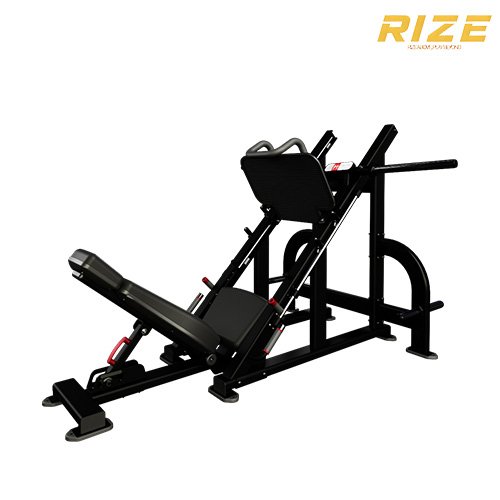
على سبيل المثال، يحتوي الصف المنخفض المحمل باللوحة على أولويات فحص مختلفة عن جهاز المشي. يجب أن يركز فحص صيانة معدات الصالة الرياضية على الإطار والمحاور والمقابض وتعديلات المقعد وتخزين الوزن ودعم القدم وتوقف المدى وأي مثبت يؤثر على مسار الحركة. انظر صفحة المنتج ذات الصف المنخفض RZ-DX04 للحصول على مثال للمواصفات، يجب على المشغلين الاحتفاظ بسجل الأصول. إن استخدام الحقول الخاصة بالطراز يجعل من السهل تدقيق صيانة معدات الصالة الرياضية عبر طابق مختلط.
مهام الصيانة الشهرية والربع سنوية
يجب جدولة صيانة معدات الصالة الرياضية الشهرية والربع سنوية أثناء فترات التوقف الخاضعة للرقابة. هذه هي النقطة التي يجب مراجعة العيوب المتكررة والتحقق من الأجزاء التي يصعب الوصول إليها وإكمال المهام التي تتطلب فنيًا مدربًا. يجب أن تتبع الفترة الزمنية الدقيقة وثائق المعدات والمتطلبات المحلية وسجل الفحص الخاص بك.
- قارن حالة الكابل والحزام والسلسلة والمحمل والبكرة مع حدود الاستبدال الموثقة.
- تحقق من محاذاة الإطار والتآكل والتشطيبات الواقية وعلامات التأثير.
- التحقق من التثبيت والخلوص والاستقرار وحالة الأرضية.
- فحص الحراس وأغطية الوصول قبل وبعد أعمال الخدمة.
- قم بمراجعة الأنظمة الكهربائية وأنظمة القيادة والكبح والتحكم فقط على مستوى الكفاءة المسموح به لموظفيك.
- استبدل الأجزاء البالية بمكونات موثقة ومتوافقة.
- قم بمراجعة السجل بحثًا عن الأخطاء المتكررة وأوامر العمل المتأخرة والآلات ذات الطلب العالي على الخدمة بشكل غير عادي.
إرشادات الصحة والسلامة والبيئة بشأن صيانة معدات العمل يؤكد على التخطيط والإغلاق الآمن والتعليمات الواضحة والموظفين الأكفاء. تعتبر هذه المبادئ ذات قيمة حتى في حالة عدم تطبيق لوائح المملكة المتحدة، لأن الصيانة سيئة التخطيط يمكن أن تعرض الموظفين والأعضاء للمخاطر.
ما يجب فحصه حسب نوع المعدات
لا ينبغي لنموذج صيانة معدات الصالة الرياضية الواحد أن يعامل كل آلة على أنها متطابقة. احتفظ بصفحة أولى مشتركة لمعلومات الأصول والعيوب، ثم أضف حقولًا خاصة بالمعدات. يتيح هذا الهيكل لصيانة معدات الصالة الرياضية البقاء متسقة دون إخفاء المخاطر الفريدة لكل نوع من أنواع الماكينات.
| نوع المعدات | نقاط التفتيش ذات الأولوية | فحص الموظفين النموذجي |
|---|---|---|
| قوة محملة باللوحة | الإطار، مناطق اللحام، المحاور، الوقفات، المقابض، الوسادات، أبواق الوزن، أوتاد التخزين | الاستقرار والحركة والتعديل والتآكل المرئي |
| قوة مختارة | الكابلات، البكرات، قضبان التوجيه، واقيات المكدس، دبوس المحدد، توقفات النهاية | مسار الكابل، مشاركة الدبوس، السفر السلس |
| المقاعد والرفوف | القوائم، والمصيد، ونقاط التعديل، والوسادات، والأقدام، والمراسي | التأرجح والتشوه والتعديلات الآمنة |
| القلب بالطاقة | سلك الطاقة، توقف الطوارئ، الحزام أو نظام القيادة، الدواسات، أدوات التحكم، الأغطية | وظيفة ما قبل الاستخدام والحالة المرئية فقط |
بالنسبة للمعدات ذات الحركة المكشوفة أو نقاط الضغط، يجب أن تظل الواقيات مثبتة بشكل صحيح. ال موارد حراسة الآلات لإدارة السلامة والصحة المهنية اشرح مفاهيم الحراسة العامة، لكن القواعد المعمول بها تعتمد على الاختصاص القضائي والمعدات. لا تقم أبدًا بإزالة الحارس لمجرد أنه يجعل التنظيف أو التعديل أسرع.
يمكن أيضًا للمشغلين الذين يديرون منطقة كبيرة محملة باللوحة استخدام موقعنا دليل الآلة المحملة باللوحة لتنظيم عائلات المعدات وإنشاء مجالات متسقة لصيانة معدات الصالة الرياضية عبر آلات مماثلة.
معدات نظيفة دون مواد ضارة
يعد التنظيف جزءًا من صيانة معدات الصالة الرياضية، لكن “stronger” ليس دائمًا أفضل. يمكن للمادة الكيميائية غير المناسبة تغيير لون المفروشات، أو مهاجمة الطلاءات، أو حجب الشاشة، أو إزالة الملصقات المطبوعة، أو ترك بقايا على المقابض. اتبع تعليمات الماكينة ومنتج التنظيف، واستخدم وقت الاتصال المحدد حيث يكون التطهير مطلوبًا، ولا ترش السائل مباشرة في أدوات التحكم الكهربائية أو المحامل أو الفتحات.
ال إرشادات تنظيف مرافق مركز السيطرة على الأمراض يوصي بالتنظيف المنتظم للأسطح عالية اللمس واستخدام المنتجات المناسبة للسطح. كما أنه يميز التنظيف الروتيني عن التطهير بعد مرض معروف. يجب على مديري المرافق تدريب الموظفين، والاحتفاظ بأوراق بيانات السلامة، وإدراج التنظيف المتوافق مع المواد في إجراءات صيانة معدات الصالة الرياضية.

قارن أساليب الصيانة
تستخدم معظم المرافق مزيجًا من صيانة معدات الصالة الرياضية الداخلية والدعم المتخصص. يعتمد التقسيم الصحيح على كفاءة الموظفين، وتعقيد المعدات، وشروط الضمان، والقواعد المحلية، والوصول إلى قطع الغيار والوثائق.
| يقترب | الأنسب ل | القيود |
|---|---|---|
| تدريب الموظفين الداخليين | التنظيف، فحوصات ما قبل الاستخدام، تعديلات موثقة بسيطة، الإبلاغ عن العيوب | يجب أن يبقى ضمن الاختصاص وتعليمات الشركة المصنعة |
| فني خدمة مستقل | الفحص الفني المجدول أو التشخيص أو الإصلاح أو العمل الكهربائي أو نظام القيادة | يحتاج إلى معرفة نموذجية وتوثيق وأجزاء متوافقة |
| دعم الشركة المصنعة | أعمال الضمان، والأخطاء غير العادية، والتحديثات الهامة للسلامة، والأجزاء الخاصة بالطراز | قد تختلف المهلة الزمنية والتوافر المحلي |
لا تدع الراحة تقرر من يقوم بالمهمة. ينص برنامج صيانة معدات الصالة الرياضية الناجح على ما يمكن للموظفين فعله، وما الذي يحتاج إلى تصعيد، ومن يسمح بالعودة إلى الخدمة، وأين يتم تخزين الأدلة.
قم ببناء سجل صيانة مفيد
يجب أن يساعد سجل صيانة معدات الصالة الرياضية الشخص التالي على اتخاذ القرار. تسجيل معرف الأصل أو التاريخ أو ساعات التشغيل أو نطاق الاستخدام إن وجد ونوع الفحص والملاحظات والإجراءات المتخذة والأجزاء المستخدمة والشخص المسؤول والموافقة على العودة إلى الخدمة. إرفاق الصور عندما يكون من الصعب وصف الخلل.
استخدم فئات العيوب المتسقة مثل تآكل الكابلات، والمفروشات، والمثبت، والثبات، والضبط، والكهرباء، والضوضاء، والتآكل، والتنظيف، وتلف المستخدم. بمرور الوقت، يمكن أن يوضح السجل الآلات التي تتطلب فترات زمنية أقصر، والأجزاء التي يجب تخزينها، وما إذا كان تخطيط الأرضية الأصلي يجعل الوصول إلى الخدمة صعبًا.
إذا كانت منشأتك تستخدم محطات الكابلات، فإن مسار الحركة وتخزين المرفقات يستحقان حقولهما الخاصة. لدينا دليل المدرب الوظيفي يشرح تخطيط التشغيل لهذا النوع من المعدات ويمكن أن يساعد الفرق في تحديد قائمة مرجعية أكثر تحديدًا لصيانة معدات الصالة الرياضية.
متى يتم إزالة المعدات من الخدمة
لا ينبغي إجبار الموظفين على مناقشة عيب خطير أثناء انتظار الأعضاء. يجب أن تحدد سياسة صيانة معدات الصالة الرياضية الحالات التي تؤدي إلى العزل الفوري، مثل تلف الكابل أو الحزام، أو الإطار غير المستقر، أو دبوس القفل الفاشل، أو فقدان الواقي، أو الجزء الهيكلي المتصدع، أو الموصل الكهربائي المكشوف، أو التوقف غير الفعال في حالات الطوارئ، أو الحركة غير المنضبطة، أو أي حالة لا يستطيع المدقق تقييمها بثقة.
استخدم علامة مرئية خارج الخدمة، وحيثما كان ذلك عمليًا، منع الوصول. سجل من حدد العيب ومن هو المصرح له بتحرير الجهاز. السطح الممسوح أو لوحة مستحضرات التجميل المشدودة لا تحل أي خطأ متعلق بالسلامة. لا تكتمل صيانة معدات الصالة الرياضية إلا بعد الانتهاء من الفحص والإصلاح وفحص الوظائف ووثائق العودة إلى الخدمة المطلوبة.
متى تتصل بالفني أو الشركة المصنعة
تصعيد صيانة معدات الصالة الرياضية عندما تتضمن المهمة حاويات كهربائية، أو أنظمة قيادة، أو إصلاح هيكلي، أو كابلات أو أحزمة ذات أهمية للسلامة، أو حدود استبدال غير معروفة، أو أخطاء متكررة، أو شروط الضمان، أو إصلاح يغير التكوين الأصلي. اتصل بالشركة المصنعة عندما تحتاج إلى الدليل الصحيح أو مواصفات الجزء أو نشرة الخدمة أو التوضيح حول نقطة الفحص.
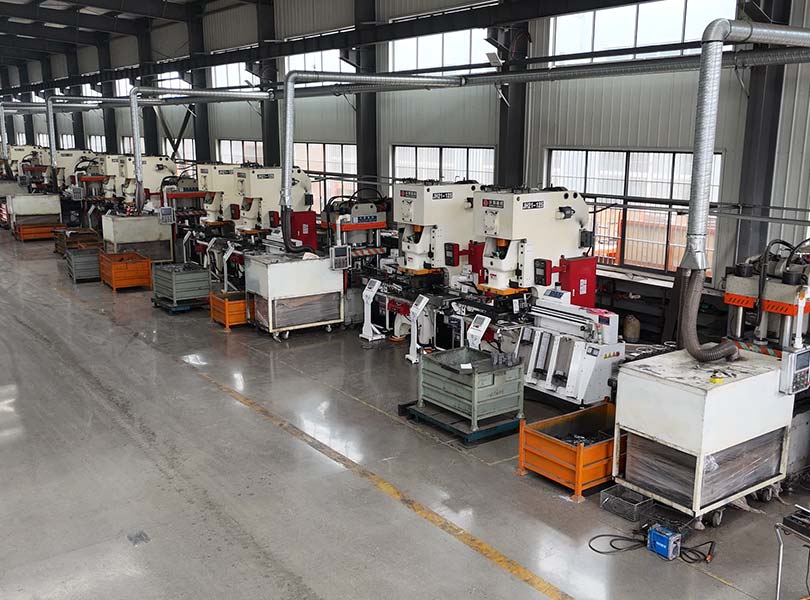
عند تقييم المعدات الجديدة، اطلب تفاصيل الوصول إلى الخدمة وتعليمات الصيانة وتحديد الأجزاء والدعم الفني قبل الانتهاء من الطلب. يمكنك مراجعة Rize Sport مجموعة معدات اللياقة البدنية التجارية و اتصل بالفريق مع أسئلة خاصة بالنموذج لأرضية صالة الألعاب الرياضية المخطط لها.
الأسئلة المتداولة
كم مرة يجب فحص معدات الصالة الرياضية التجارية؟
استخدم فحوصات ما قبل الاستخدام اليومية، ثم قم بتعيين فترات زمنية أعمق لصيانة معدات الصالة الرياضية من تعليمات الشركة المصنعة وتقييم المخاطر والاستخدام والبيئة وتاريخ الفحص. قد تحتاج المعدات عالية الاستخدام أو ذات الأهمية الحيوية للسلامة إلى فترات زمنية أقصر من الوحدات المستخدمة بشكل خفيف.
ما الذي يجب تضمينه في قائمة مراجعة صيانة معدات الصالة الرياضية؟
قم بتضمين تحديد الأصول، والثبات، والمثبتات، والتعديلات، والكابلات أو الأحزمة، والبكرات، والواقيات، والمفروشات، والملصقات، ووصلات الطاقة، وحالة التنظيف، والعيوب، والإجراءات، والشخص المسؤول، والموافقة على العودة إلى الخدمة. إضافة حقول خاصة بكل نوع من المعدات.
هل يستطيع موظفو الصالة الرياضية أداء جميع مهام الصيانة؟
لا. يمكن للموظفين إكمال المهام التي تم تدريبهم وتفويضهم بها، مثل التنظيف والفحوصات البصرية الموثقة. يجب تعيين صيانة معدات الصالة الرياضية الفنية، والأعمال الكهربائية، والإصلاحات الهيكلية، واستبدال المكونات الحيوية للسلامة للموظفين الأكفاء.
ما هي منتجات التنظيف الآمنة لمعدات اللياقة البدنية؟
استخدم المنتجات المعتمدة لتنجيد الماكينة وطلائها ومقابضها وموادها البلاستيكية وشاشات العرض والإلكترونيات. اتبع كلاً من المعدات والتعليمات الكيميائية. تجنب رش السوائل في الفتحات أو استخدام مواد كيميائية غير معتمدة قد تؤدي إلى إتلاف المواد أو الملصقات.
لماذا يجب على المنشأة الاحتفاظ بسجل الصيانة؟
يُظهر السجل ما تم فحصه، وما الذي تغير، ومن تصرف، وما إذا كانت المعدات آمنة للعودة إلى الخدمة. كما أنه يساعد المديرين على تحسين فترات صيانة معدات الصالة الرياضية، وتخطيط الأجزاء، وتحديد العيوب المتكررة، وإثبات معالجة المشكلات المبلغ عنها.
تحويل القائمة المرجعية إلى عادة تشغيلية
أفضل قائمة مرجعية لصيانة معدات الصالة الرياضية هي القائمة التي يمكن لفريقك إكمالها وفهمها وتحسينها. ابدأ بجرد دقيق، وافصل الفحوصات اليومية عن الخدمة الفنية، وقم بتوثيق العيوب ذات المغزى، وقم بتقصير أو تمديد الفواصل الزمنية فقط عندما تدعم الأدلة والمخاطر وسجل الفحص التغيير.
إذا كنت تحدد معدات لصالة ألعاب رياضية تجارية جديدة أو تستبدل الآلات التي يصعب صيانتها، فاتصل بـ Rize Sport مع مخطط الأرضية الخاص بك والمستخدمين المستهدفين وأنواع المعدات المفضلة ومتطلبات الخدمة. يمكن للفريق مساعدتك في مقارنة التكوينات المناسبة وإعداد وثائق النموذج لمراجعة المشتريات الخاصة بك.