Tabla de contenido
Respuesta rápida
Las decisiones sobre equipos de gimnasio selectorizados requieren una evaluación estructurada de un grupo coordinado de estaciones de fuerza selectorizadas en función de las necesidades de los usuarios, las condiciones operativas, las limitaciones de las instalaciones, la documentación, el servicio y los requisitos de aceptación. Para los propietarios de gimnasios comerciales, planificadores de áreas de fuerza y equipos de adquisiciones, el objetivo inmediato es crear cobertura de movimiento sin desperdiciar espacio en estaciones redundantes. Comience con un escrito, compare la evidencia del modelo o proceso exacto y cierre todas las excepciones antes de la aprobación.
Esta guía trata la planificación de equipos de gimnasio selectualizados como una decisión comercial práctica más que como un ejercicio de marketing. No reemplaza las instrucciones modelo, el asesoramiento técnico calificado ni las leyes y estándares que se aplican en un lugar en particular. Proporciona a los equipos de proyecto un método repetible para hacer mejores preguntas y preservar registros prácticos.

Definir el rol de Usuarios y Formación
Para los propietarios de gimnasios comerciales, planificadores de áreas de fuerza y equipos de adquisiciones, las decisiones sobre equipos de gimnasios selectualizados deben comenzar con la función de personas y entrenamiento, no con una lista de características. Las partes interesadas del proyecto están evaluando un grupo coordinado de estaciones de fuerza selectualizadas y quieren crear cobertura de movimiento sin desperdiciar espacio en estaciones redundantes. Describa la experiencia de los miembros, la supervisión, las necesidades de movilidad, el uso esperado y los ejercicios o capacidad que el equipo debe agregar.
Mapee el rol propuesto con el piso actual. Durante la evaluación del equipo de gimnasio selectizado, confirme si la opción llena un espacio genuino de movimiento o capacidad, mejora el acceso o simplemente duplica una estación existente. El guía de equipos de entrenamiento de fuerza puede ayudar a establecer el contexto más amplio de resistencia o equipo.
Convierta el caso de uso en una especificación
Una práctica especificación de equipo de gimnasio selectorizado describe resultados y limitaciones. Incluya el entorno previsto, la clase de uso, el rango de usuarios, el propósito del movimiento, las necesidades de ajuste, la huella, el sobre operativo, el almacenamiento, la limpieza, la inspección, las piezas, los documentos y las interfaces del sitio. Mantenga los requisitos obligatorios separados de las preferencias.
El Descripción general de ISO 20957-1:2024 es una referencia inicial relevante para equipos de entrenamiento estacionarios. Los compradores aún deben obtener evidencia del modelo exacto y la ubicación aplicable. Un buen equipo de gimnasio selectorizado evita palabras vagas como robusto o ergonómico a menos que la propuesta explique qué significan y cómo las verificará el comprador.
Evaluar entrada, ajuste y movimiento
La experiencia del usuario es fundamental para los equipos de gimnasio selectualizados. Observe cómo una persona se acerca, entra, ajusta, selecciona resistencia, realiza el movimiento, sale y reinicia la estación. Los controles y las instrucciones deben ser visibles, los ajustes deben activarse positivamente y el movimiento debe permanecer controlado en el rango previsto.
Pruebe más de un perfil de usuario previsto. Una máquina que se adapte a un solo demostrador puede no ser adecuada para la membresía de la instalación. Durante los equipos de gimnasio seleccionados, documente las configuraciones probadas, las preguntas de ajuste no resueltas y cualquier límite de programación profesional en lugar de hacer afirmaciones universales.
Evaluar los seis factores modelo e instalación
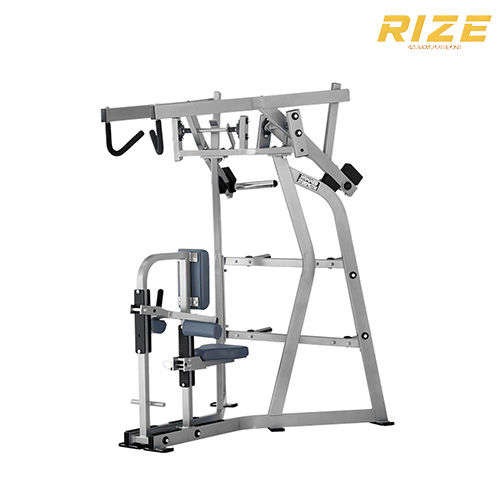
Utilice la misma secuencia para cada opción de equipo de gimnasio seleccionado para que las características atractivas no distraigan la atención de los requisitos operativos. Evalúe estos factores frente al informe aprobado:
- miembros objetivo, experiencia en capacitación, accesibilidad y uso máximo esperado.
- cobertura de empuje, tracción, rodilla dominante, cadera dominante, tronco y aislamiento.
- lógica de ajuste que sigue siendo lo suficientemente consistente para los usuarios autodirigidos.
- capacidad de estaciones, riesgo de colas y alternativas para movimientos populares.
- requisitos de servicio de cables, poleas, tapizados, guías y pasadores selectores.
- agrupación visual, visibilidad de instrucciones, almacenamiento y supervisión.
Para cada factor, marque la evidencia como confirmada, condicional o faltante. El equipo de gimnasio selectorizado no debe depender de un folleto familiar cuando las dimensiones, ajustes, piezas o acceso al servicio difieren según el modelo. Confirme su aclaración antes de asignar una puntuación final.
Verifique la durabilidad a través de detalles inspeccionables
La durabilidad en equipos de gimnasio selectizados no es un número de marco único. Examine la estabilidad, las uniones, las áreas de soldadura, los pivotes, topes, cables o cinturones, cojinetes, componentes guía, tapizados, agarres, sujetadores, acabados y la forma en que se pueden reemplazar las piezas de alto contacto. Confirme qué elementos se espera que se desgasten y cómo se evalúa su condición.
El Guía de inspección de equipos de trabajo HSE apoya un enfoque de inspección basado en el riesgo. Incluso fuera de esa jurisdicción, es razonable que los equipos de gimnasio selectualizados consideren si los puntos críticos pueden verse, alcanzarse, registrarse y repararse sin un desmontaje improvisado.
Confirmar Huella, Capacidad y Colocación
Una elección exitosa de equipo de gimnasio seleccionado debe funcionar en la zona planificada. Trazar el marco, la envolvente móvil, las posiciones de los usuarios, el espacio de carga o conexión, el almacenamiento, las rutas y el acceso al servicio. Para equipos eléctricos, coordine las necesidades eléctricas y de ventilación específicas del modelo con diseñadores calificados.
La capacidad depende de qué tan rápido puedan configurarse los usuarios y si existen alternativas en las horas pico. Usar el gama de equipos de fitness comerciales comparar la estación propuesta con la combinación de equipos más amplia. El equipo de gimnasio selectizado necesita mejorar el piso como un sistema, no simplemente llenar un rectángulo vacío.
Planifique limpieza, inspección, piezas y soporte
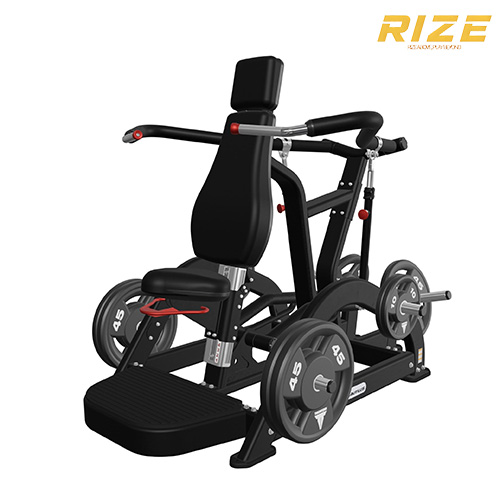
La información de propiedad pertenece a equipos de gimnasio selectualizados. Solicite manuales, compatibilidad de limpieza, puntos de inspección, criterios de reemplazo, identificación de piezas, términos de garantía y una ruta de soporte técnico. Confirme quién puede realizar tareas rutinarias y quién maneja trabajos críticos para la seguridad o especializados.
El Normas de protección de máquinas OSHA proporciona principios generales de mantenimiento que ayudan a los compradores a confirmar preguntas prácticas. Conecte el modelo seleccionado al guía de compra de equipos comerciales para gimnasios, cree un documento de activo en el momento de la instalación y conserve los documentos que necesitan los equipos de operaciones y servicios.
Evite errores de selección comunes
La mayoría de los errores de equipos de gimnasio seleccionados provienen de realizar pruebas muy pocas, comparar ámbitos diferentes o pasar por alto las instalaciones. Pausa la decisión cuando aparezca alguna de estas condiciones:
- seleccionar máquinas una a la vez sin mapa de movimiento.
- duplicar ejercicios de baja demanda mientras se crean colas en otros lugares.
- mezclar sistemas de ajuste sin considerar la orientación de los miembros.
- usar todas las paredes abiertas para equipos y perder el acceso a servicios.
Documentar la consecuencia de cada problema no resuelto. Una dimensión faltante puede retrasar la aprobación del diseño; las piezas poco claras pueden prolongar el tiempo de inactividad; un rango de ajuste inadecuado puede excluir a los usuarios previstos. Esto mantiene los equipos de gimnasio selectualizados enfocados en los resultados operativos en lugar del lenguaje promocional.
Notas de campo para equipos de gimnasio selectorizados
Las siguientes notas de campo convierten los equipos de gimnasio selectizados en una secuencia de evaluación para este tema específico. Son deliberadamente prácticos: cada nota identifica qué verificar, qué documentar y qué decisión debe respaldar la evidencia. Adapte la secuencia a las instrucciones del modelo, sitio y jurisdicción aplicables.
Establezca la línea de base revisando los miembros objetivo, la experiencia de capacitación, la accesibilidad y el uso máximo esperado. Nombra la fuente de la información, la persona que la verificó y la revisión o fecha. Si la entrada es provisional, muestre la condición que debe cumplirse antes de la aprobación.
Confirme la cobertura de empuje, tracción, rodilla dominante, cadera dominante, tronco y aislamiento. Observe la condición real u obtenga evidencia específica del modelo en lugar de confiar en una descripción familiar. Documente cualquier límite que afecte a los usuarios, el diseño, el servicio o la aceptación.
Pruebe la propuesta con una lógica de ajuste que siga siendo lo suficientemente consistente para los usuarios autodirigidos. Confirme al personal de operaciones cómo funcionará esto durante un período de mayor actividad y confirme al personal técnico cómo será inspeccionado. Una respuesta que dependa de una solución alternativa informal necesita una acción controlada.
Asignar responsabilidad por la capacidad de las estaciones, el riesgo de colas y las alternativas para los movimientos populares. El documento del proyecto debe indicar quién proporciona la información, quién la revisa, quién realiza el trabajo y quién confirma la finalización. Esto evita que desaparezcan tareas materiales entre proveedor, instalador y operador.
Preservar evidencia de los requisitos de servicio de cables, poleas, tapizados, guías y pasadores selectores. La evidencia útil puede incluir un dibujo, una sección manual, una fotografía, una entrada de inspección, una aclaración del proveedor o un artículo de aceptación firmado. Guárdelo junto con el archivo de activo o proyecto para que los equipos posteriores puedan comprender la decisión.
Cierre la evaluación con agrupación visual, visibilidad de instrucciones, almacenamiento y supervisión. Compare el resultado con la necesidad operativa original y observe cualquier excepción. Si la instalación no puede mantener el requisito después de la apertura, revise la elección o el plan operativo antes de la entrega.
La misma disciplina se aplica a las señales de advertencia. No se limite a enumerar una preocupación; describir su probable consecuencia, el control inmediato, las pruebas necesarias para el cierre y la persona autorizada para aprobar el resultado.
Trate las máquinas de selección una a la vez sin un mapa de movimiento como un vacío de evidencia. Pausa la decisión afectada, identifica el documento faltante y mantén el elemento abierto hasta que se pueda verificar el control propuesto.
Cuando encuentre ejercicios duplicados de baja demanda mientras crea colas en otros lugares, compare la propuesta con el informe aprobado. La respuesta puede requerir aclaración, un cambio de diseño o alcance, una evaluación competente o el rechazo de la opción.
Si la evaluación revela sistemas de ajuste combinados sin considerar la orientación de los miembros, documente quién está expuesto a las consecuencias y cuándo podría ocurrir. Ese contexto ayuda a las partes interesadas del proyecto a asignar prioridad sin exagerar el reclamo.
Evite que se repita el uso de todas las paredes abiertas para equipos y pierda el acceso al servicio actualizando la especificación, la lista de verificación, el dibujo, la nota de capacitación o el formulario de aceptación que permitió que el espacio pasara desapercibido.
Estas notas hacen que sea más fácil entregar el equipo de gimnasio seleccionado porque el archivo final explica tanto la decisión como los supuestos operativos detrás de ella. Evalúe las notas nuevamente después de la instalación, un evento de servicio importante, la reubicación o un cambio en el uso de las instalaciones.
Compare opciones con una matriz práctica
Una matriz de equipos de gimnasio selectizada debe utilizar evidencia confirmada y los mismos títulos de decisión para cada opción. No permita que una puntuación total alta compense el incumplimiento de un requisito obligatorio de seguridad, sitio o usuario.
| Evaluar área | Aportes de evidencia o planificación | Cuestión de decisión |
|---|---|---|
| Gimnasio de membresía general | Configuración clara, amplia cobertura de movimiento, puntos de contacto duraderos | Orientación rápida y mantenimiento predecible |
| Instalación centrada en la fuerza | Más opciones de carga, estaciones cargadas de placas complementarias | Progresión sin duplicaciones innecesarias |
| Hotel o gimnasio corporativo | Cobertura compacta, instrucciones sencillas, menor demanda de supervisión | Uso diario accesible e intuitivo |
| Rehabilitación-entorno adyacente | Ajustes finos, arranques controlados, valoración profesional | Selección de equipos alineados con programación calificada |
Adquisiciones, entrenadores, operaciones y asesores técnicos pueden calificar diferentes partes de equipos de gimnasio selectualizados. Mantenga sus comentarios con la matriz para que la aprobación final muestre tanto la elección como el razonamiento detrás de ella.
Escriba el cronograma final de equipos
Complete equipos de gimnasio selectizados con un cronograma controlado que nombra el modelo, cantidad, opciones, accesorios, acabados, dimensiones, utilidades, documentos incluidos, alcance de piezas o servicios, responsabilidad de entrega, instalación y verificaciones de aceptación. Vincule cada excepción a una aclaración aprobada.
Antes de la publicación, evalúe el cronograma con respecto al plano de planta y el informe operativo. El Estándares ADA de 2010 para diseño accesible puede ofrecer una perspectiva oficial relevante según el tema y la jurisdicción. Para obtener información sobre productos específicos del proyecto, compare el guía de entrenador funcional y confirme las preguntas no resueltas a través de contacta con el equipo de Rize Sport.
Preguntas frecuentes
¿qué necesita incluir una lista de verificación de equipos de gimnasio selectualizados?
Una lista de verificación de equipos de gimnasio selectualizada debe cubrir el alcance exacto, los usuarios previstos, el entorno operativo, el modelo o identidad de activos, las interfaces de las instalaciones, las necesidades de inspección y servicio, los documentos, las responsabilidades, la evidencia de aceptación y las acciones abiertas.
¿quién debe participar en los equipos de gimnasio selectores?
Incluya al comprador o propietario, las operaciones de las instalaciones, los capacitadores o representantes de los usuarios, los asesores técnicos, los instaladores y el personal de servicio, según corresponda. Los equipos de gimnasio selectualizados funcionan mejor cuando cada persona revisa las decisiones que luego tomará.
¿qué tan temprano debe comenzar el equipo de gimnasio seleccionado?
Comience a seleccionar equipos de gimnasio antes de que se fijen los modelos o posiciones. La evaluación temprana permite a las partes interesadas del proyecto coordinar un grupo coordinado de estaciones de fuerza seleccionalizadas con el piso, los servicios públicos, el acceso, el plan de servicio, los documentos y el cronograma del proyecto mientras los cambios aún sean manejables.
¿qué documentos admiten equipos de gimnasio seleccionalizados?
Utilice especificaciones controladas, dibujos, manuales, criterios de inspección, información de piezas, términos de garantía, aclaraciones de proveedores, dibujos del sitio, registros de instalación y formularios de aceptación. Mantenga visible la revisión y la identidad del modelo.
¿cuál es el principal resultado de los equipos de gimnasio selectualizados?
El resultado principal es una decisión documentada que ayuda a las partes interesadas del proyecto a crear cobertura de movimiento sin desperdiciar espacio en estaciones redundantes. Es necesario mostrar qué se aprobó, por qué es adecuado, quién es el responsable y cómo se comprobará el resultado.
Siguiente paso
Un equipo de gimnasio selectorizado eficaz convierte una intención amplia en un resumen controlado, evidencia comparable y un documento de aceptación. Mantenga visibles al usuario, el entorno operativo, la interfaz de las instalaciones, el plan de mantenimiento y las organizaciones responsables desde la primera evaluación hasta la entrega.
Si está planeando una nueva instalación, un programa de reemplazo o un proyecto de distribuidor, comparta el cronograma de su equipo, el plano de planta, los usuarios objetivo y los requisitos de servicio con Rize Sport. Las partes interesadas del proyecto pueden ayudarlo a comparar las configuraciones apropiadas y brindarle información del modelo para su evaluación de equipos de gimnasio seleccionados.