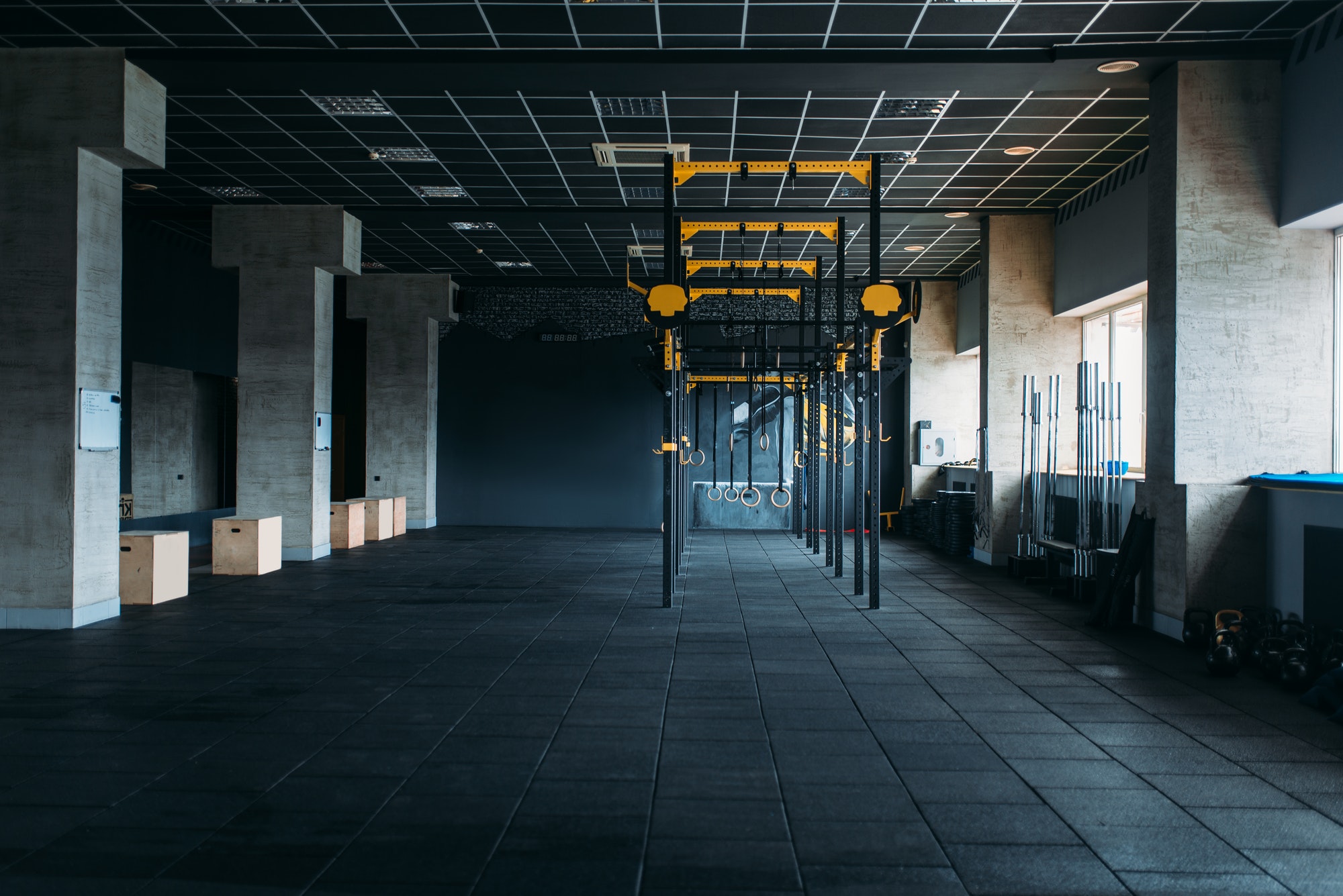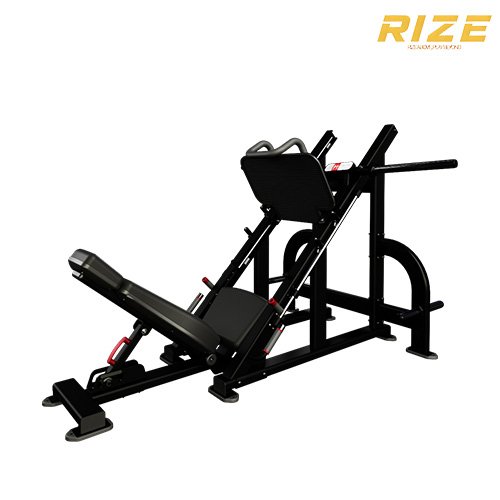
Elegir equipos comerciales de gimnasio no se trata sólo de llenar una sala de fitness con máquinas. Para los propietarios de gimnasios, gimnasios de hoteles, distribuidores, proyectos de bienestar y estudios de capacitación, el verdadero objetivo es construir una instalación que se sienta profesional, admita diferentes objetivos de capacitación, reduzca el tiempo de inactividad y haga que los miembros regresen.
Un diseño de gimnasio exitoso generalmente combina máquinas cardiovasculares, máquinas de fuerza, pesas libres, áreas de entrenamiento funcional, bancos, estantes y accesorios de una manera que resulta natural para los usuarios. Es por eso que la selección de equipos debe comenzar con el comportamiento del usuario, no solo con las categorías de productos.
Si está planeando una nueva instalación o actualizando una existente, esta guía lo ayudará a elegir equipos de gimnasio comerciales desde un ángulo más estratégico: flujo de miembros, demanda de capacitación, seguridad, durabilidad, mantenimiento y valor comercial a largo plazo.
Para obtener una descripción general completa del producto, puede explorar nuestro productos comerciales de equipos de fitness, incluido equipo cardiovascular y equipo de entrenamiento de fuerza.
Tabla de contenido
Por qué la selección de equipos de gimnasios comerciales es más importante que nunca
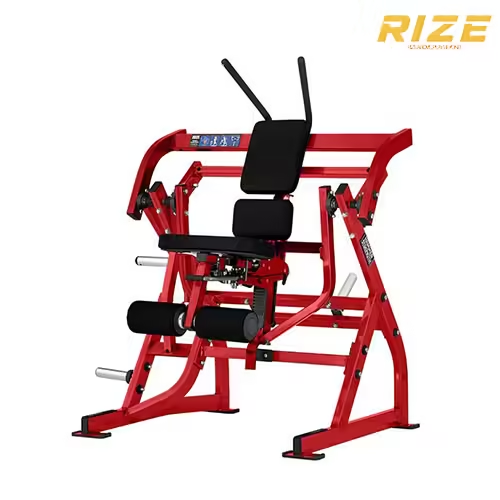
Los usuarios modernos de fitness tienen más educación que antes. Muchos miembros ya no se unen a un gimnasio sólo para usar una cinta de correr para un entrenamiento corto. Quieren una experiencia de entrenamiento completa que pueda incluir entrenamiento de fuerza, acondicionamiento cardiovascular, movimiento funcional, trabajo de movilidad y ejercicios con máquinas guiadas.
Este cambio cuenta con el apoyo de importantes organizaciones sanitarias. El Pautas de actividad física para estadounidenses recomendar tanto actividad aeróbica como actividad fortalecedora muscular, mientras que Organización Mundial de la Salud también enfatiza la importancia de combinar tipos de movimiento para obtener mejores resultados de salud.
Para los compradores de gimnasios, esto significa que una instalación no debe centrarse demasiado en una sola categoría de equipo. Un gimnasio lleno sólo de máquinas cardiovasculares puede parecer completo a primera vista, pero puede no atender a los miembros que desean un entrenamiento de fuerza progresivo. Un gimnasio centrado únicamente en equipos de fuerza pesada puede parecer impresionante, pero puede resultar intimidante para principiantes o usuarios de bienestar general.
El mejor plan de equipamiento comercial para gimnasios crea equilibrio.
Debería responder a estas preguntas:
- ¿pueden los principiantes entrenar de forma segura sin sentirse confundidos?
- ¿Pueden los usuarios avanzados encontrar suficientes opciones de fuerza?
- ¿pueden los miembros moverse por el gimnasio sin aglomerarse?
- ¿Puede el equipo soportar un uso diario repetido?
- ¿Puede el personal inspeccionar, limpiar y mantener las máquinas de manera eficiente?
- ¿Puede el gimnasio ampliarse o mejorarse en el futuro?
Cuando el equipo admite estos objetivos, se convierte en algo más que hardware. Se convierte en parte de la experiencia de los miembros.
Comience con su tipo de instalación antes de elegir el equipo
No todos los gimnasios necesitan la misma combinación de equipos. El gimnasio de un hotel, el gimnasio comercial, el gimnasio universitario, el gimnasio de un apartamento, el gimnasio de culturismo y el estudio de entrenamiento personal tienen usuarios diferentes.
Antes de seleccionar máquinas, defina claramente el tipo de instalación.
Centros de fitness comerciales
Un gimnasio comercial de servicio completo necesita una amplia cobertura de entrenamiento. Los miembros pueden incluir principiantes, trabajadores de oficina, adultos mayores, usuarios de recomposición corporal, atletas y levantadores centrados en la fuerza. Estas instalaciones suelen necesitar un fuerte equilibrio de máquinas cardiovasculares, máquinas seleccionalizadas, equipos cargados de placas, bancos, pesas libres, bastidores y accesorios de entrenamiento funcional.
Gimnasios de hoteles y apartamentos
Los hoteles y gimnasios residenciales suelen necesitar equipos intuitivos, que ahorren espacio y sean fáciles de mantener. Los usuarios pueden entrenar solos sin un autocar, por lo que son importantes sistemas de ajuste simples y rutas de movimiento claras. Las cintas de correr, las elípticas, las bicicletas, las máquinas compactas de fuerza, los bancos y las áreas de mancuernas suelen funcionar bien.
Gimnasios de Fuerza y Culturismo
Los gimnasios centrados en la fuerza necesitan equipos de alta resistencia, marcos estables, brazos de movimiento suave, tapicería resistente y suficiente espacio alrededor de las máquinas para cargar placas. Son especialmente importantes las máquinas cargadas de placas, los estantes, los bancos, las máquinas de cables y las áreas libres de peso.
Instalaciones Corporativas y de Bienestar
Los gimnasios corporativos suelen cumplir objetivos de salud generales. El equipo debe admitir una fácil entrada al ejercicio, cardio de intensidad moderada, entrenamiento de fuerza guiado y movimiento seguro. Las máquinas selectoras, cintas de correr, bicicletas, elípticas y accesorios funcionales pueden ayudar a los empleados a capacitarse de manera eficiente durante períodos de tiempo limitado.
Estudios de entrenamiento personal
Los estudios de formación necesitan equipos flexibles porque un entrenador puede utilizar la misma máquina para muchos programas diferentes. Las máquinas de cable compactas, los bancos ajustables, las mancuernas, los accesorios funcionales y las máquinas de fuerza seleccionadas pueden proporcionar una gran variedad de entrenamiento sin saturar el espacio.
Cree el equilibrio adecuado entre las zonas cardiovasculares y fuertes
Un gimnasio de alta retención debería facilitar el acceso tanto al entrenamiento cardiovascular como al de fuerza. El equilibrio exacto depende de tu audiencia, pero ambas zonas deben parecer intencionales.
El equipo cardiovascular admite calentamientos, entrenamiento de resistencia, objetivos de control de peso y salud cardíaca en general. Las opciones comunes incluyen cintas de correr, elípticas, bicicletas, escaladores, escaladores y remeros.
El equipo de fuerza apoya el desarrollo muscular, la estabilidad de las articulaciones, la postura, la salud ósea, el rendimiento deportivo y la capacidad funcional a largo plazo. El Colegio Americano de Medicina Deportiva ha destacado la importancia del entrenamiento de resistencia regular, especialmente porque la coherencia a menudo importa más que una programación complicada.
Un sólido plan de equipamiento de gimnasio comercial suele incluir:
- Máquinas cardiovasculares para usuarios de calentamiento, resistencia y fitness en general
- Máquinas selectorizadas para principiantes y zonas de entrenamiento de alto tráfico
- Equipos cargados de placas para usuarios serios de resistencia
- Máquinas de cables para patrones de movimiento versátiles
- Bancos para ejercicios con mancuernas, barras y accesorios
- Bastidores y plataformas para entrenamiento de fuerza compuesta
- Pesos libres para progresión y variedad
- Accesorios funcionales para movilidad, entrenamiento básico y movimiento atlético
El objetivo no es simplemente tener muchas máquinas. El objetivo es crear un viaje de formación completo.
Un miembro debe poder ingresar al gimnasio, calentar, entrenar grupos musculares importantes, agregar trabajo funcional y terminar la sesión sin sentir que falta algo esencial.
Elija equipos de fuerza según los niveles de confianza del usuario
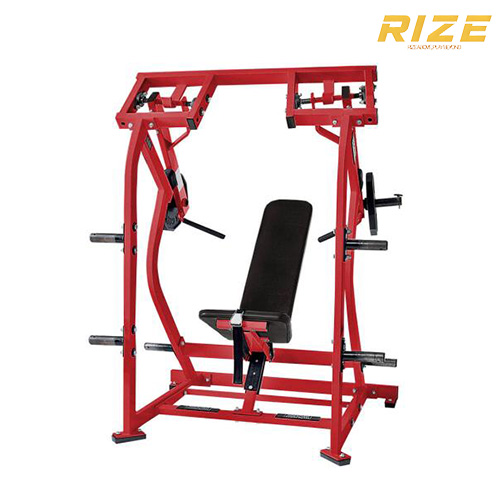
Las áreas de entrenamiento de fuerza pueden influir fuertemente en cómo se sienten los miembros acerca de un gimnasio. Si el área parece confusa o demasiado avanzada, los principiantes pueden evitarla. Si se siente demasiado básico, los usuarios experimentados pueden partir hacia una instalación mejor equipada.
Es por eso que los equipos de resistencia deben planificarse según el nivel de confianza del usuario.
Equipo de resistencia apto para principiantes
Las máquinas seleccionadas son útiles para principiantes porque proporcionan movimiento guiado, ajuste rápido del peso y una posición inicial clara. Máquinas como presión en el pecho, presión en los hombros, tracción lateral, fila, extensión de piernas, rizo de piernas y máquinas ab ayudan a los usuarios a entrenar grupos de músculos importantes con menos complejidad de configuración.
Puede ver categorías de productos relacionados, como máquinas de fuerza seleccionalizadas para áreas guiadas de entrenamiento de fuerza.
Equipos de resistencia intermedia
Los usuarios intermedios suelen querer más variedad y una mejor sensación de movimiento. Las máquinas de cables, los entrenadores funcionales, los bancos ajustables, las mancuernas y las máquinas cargadas de placas pueden ayudarles a ampliar sus rutinas.
A máquina de cables o entrenador funcional es especialmente valioso porque admite presión, tracción, entrenamiento de brazos, trabajo central y ejercicios unilaterales en una sola estación.
Equipo de resistencia avanzada
Los usuarios avanzados suelen preocuparse por la estabilidad, la sensación de carga, el rango de movimiento, las posiciones de los mangos, los ángulos de la máquina y la mecánica suave. Las máquinas cargadas de placas, los bastidores, los aparejos, las plataformas, los bancos pesados y los pesos libres son importantes para este grupo.
Por ejemplo, un área comercial de entrenamiento de tórax puede necesitar más de una máquina de prensa básica. Si desea comprender las diferencias entre las opciones comunes de prensa de tórax, puede leer nuestra guía sobre tipos de máquinas prensadoras de cofre para gimnasios comerciales.
Planifique el flujo de miembros antes de colocar máquinas
Un buen equipo aún puede crear una mala experiencia en el gimnasio si el diseño es incorrecto.
El flujo de miembros describe cómo las personas se mueven por las instalaciones antes, durante y después del entrenamiento. Un flujo deficiente genera hacinamiento, senderos incómodos, riesgos de seguridad y frustración durante las horas pico.
Un mejor enfoque es dividir el gimnasio en zonas lógicas:
- Entrada y zona de orientación
- Zona cardiovascular
- Zona de fuerza seleccionada
- Zona de peso libre
- Zona de resistencia cargada de placa
- Área de entrenamiento funcional
- Zona de estiramiento y movilidad
- Puntos de almacenamiento y limpieza
Las máquinas cardiovasculares suelen funcionar bien en áreas abiertas visibles porque muchos miembros las utilizan para calentamientos o entrenamiento independiente. Las máquinas de fuerza deben agruparse según el patrón de movimiento cuando sea posible, como pecho y hombros, espalda, piernas, brazos y núcleo.
Las zonas libres de peso necesitan más espacio libre porque los usuarios mueven bancos, mancuernas, placas y barras. Las máquinas cargadas de placas también necesitan espacio lateral para cargar y descargar placas de pesas.
Un diseño suave ayuda a los miembros a entrenar con menos fricción. También ayuda al personal a gestionar la limpieza, la inspección y el mantenimiento.
Consulte las normas de seguridad y los detalles de diseño del
Los equipos de gimnasio comerciales deben evaluarse cuidadosamente porque serán utilizados repetidamente por muchas personas con diferentes tamaños corporales, hábitos de entrenamiento y niveles de experiencia.
La seguridad comienza con el diseño.
Al comparar equipos, preste atención a:
- Estabilidad del marco
- Camino de movimiento suave
- Puntos de ajuste seguros
- Fuerte calidad de soldadura
- Bordes redondeados y áreas de contacto protegidas
- Asientos estables y almohadillas para el respaldo
- Sistemas confiables de cables y poleas
- Etiquetas de advertencia claras e instrucciones de usuario
- Espacio libre adecuado para el suelo
- Diseño de agarre adecuado
- Cubiertas protectoras donde sea necesario
Las normas internacionales pueden ayudar a los compradores a comprender importantes expectativas de seguridad. Por ejemplo, ISO 20957 cubre los requisitos de seguridad y los métodos de prueba de los equipos de entrenamiento estacionarios, mientras que Normas de equipos de fitness ASTM abordar parámetros de diseño y fabricación de equipos de fitness.
Estos estándares no deben tratarse como simples términos de marketing. Recuerdan a los compradores que miren más allá de la apariencia y se centren en la confiabilidad estructural, la calidad del movimiento y la protección del usuario.
Es posible que una máquina que parece atractiva en las fotografías no funcione bien en un entorno comercial si el marco es inestable, la trayectoria del movimiento no parece natural o el mecanismo de ajuste se desgasta rápidamente.
Evalúe la durabilidad desde la perspectiva del fabricante
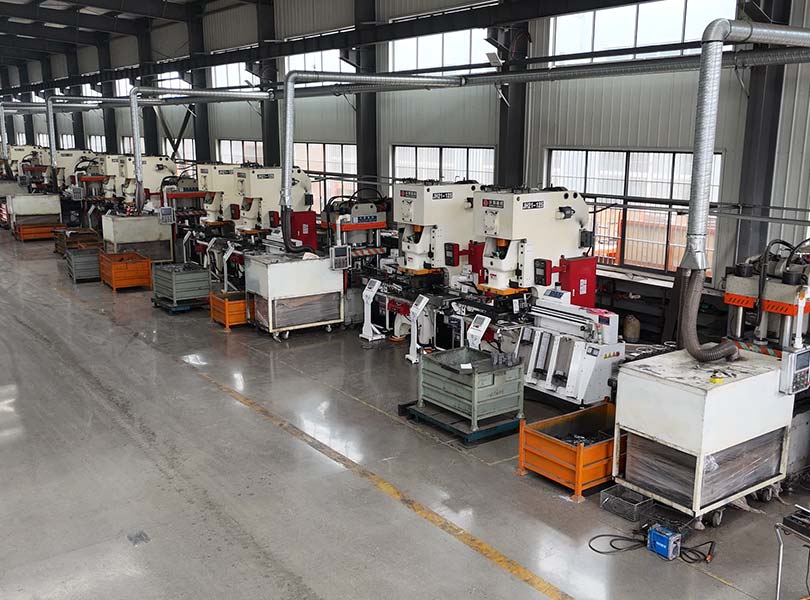
La durabilidad es uno de los factores más importantes en la selección de equipos de gimnasios comerciales. En una instalación concurrida, muchos usuarios pueden utilizar máquinas todos los días. Incluso pequeñas debilidades pueden convertirse en problemas graves con el tiempo.
Desde la perspectiva del fabricante, la durabilidad depende de varios detalles.
Construcción del marco
El marco debe ser lo suficientemente estable para un uso repetido y lo suficientemente fuerte como para soportar el patrón de movimiento previsto. Para equipos de resistencia, la geometría del marco afecta tanto la seguridad como la sensación de entrenamiento.
Soldadura y Acabado Superficial
La consistencia de la soldadura es importante porque los equipos comerciales deben soportar cargas y movimientos repetidos. El recubrimiento de superficies también es importante porque el sudor, los productos de limpieza y el tacto frecuente pueden afectar la apariencia con el tiempo.
Piezas móviles
Los rodamientos, pivotes, barras guía, poleas, cables y sistemas de ajuste deben moverse suavemente. Las piezas móviles de mala calidad pueden hacer que una máquina se sienta áspera y aumentar las necesidades de mantenimiento.
Tapicería y Acolchado
Los asientos y almohadillas deben ser cómodos, estables y resistentes al uso frecuente. En un entorno comercial, la tapicería no se trata sólo de comodidad; también afecta la higiene, la apariencia y la satisfacción del usuario a largo plazo.
Repuestos y Soporte
Un comprador serio debe considerar si hay piezas, soporte técnico y documentación del producto disponibles. Esto es especialmente importante para distribuidores, cadenas de gimnasios y compradores de proyectos que necesitan un suministro estable y soporte posventa.
Si necesita ayuda para comparar equipos para un proyecto comercial, puede hacerlo póngase en contacto con nuestro equipo para realizar consultas.
No ignore el mantenimiento al elegir el equipo
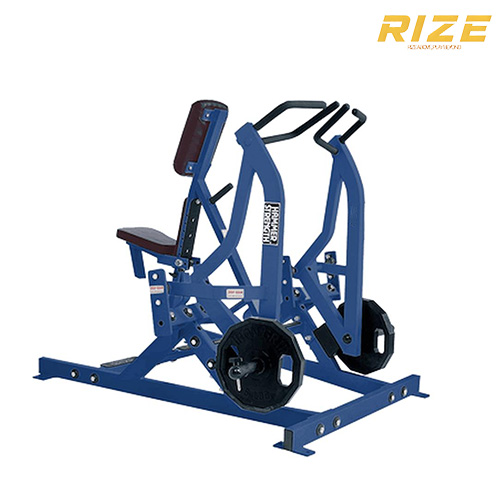
Se debe considerar el mantenimiento antes de la compra, no después de que lleguen las máquinas.
Algunos equipos requieren inspecciones más frecuentes que otros. Las máquinas cardiovasculares pueden involucrar motores, correas, plataformas, consolas y piezas electrónicas. Los equipos de resistencia pueden incluir cables, poleas, cojinetes, pasadores, barras guía, tapizados y pernos.
Un plan de mantenimiento práctico debe incluir:
- Comprobaciones visuales diarias para detectar daños evidentes
- Limpieza periódica de superficies de contacto
- Inspección de cables, correas y piezas móviles
- Comprobación de tornillos y puntos de ajuste
- Lubricación cuando sea necesario
- Revisar ruidos o fricciones inusuales
- Reemplazo de piezas desgastadas antes de fallar
- Mantener registros de mantenimiento
El Recursos de estándares de instalaciones del Colegio Americano de Medicina Deportiva también enfatice la importancia de la operación segura de las instalaciones y los estándares profesionales en entornos de fitness.
Para los propietarios de gimnasios, el mantenimiento no se trata sólo de la vida útil de la máquina. También afecta la confianza de los miembros. Cuando los miembros ven máquinas rotas, almohadillas desgastadas, pasadores faltantes o equipos inestables, pueden cuestionar la calidad de toda la instalación.
Un buen equipo comercial de gimnasio debería ser fácil de inspeccionar y mantener para el personal.
Adapte el equipo a las tendencias de entrenamiento sin perseguir todas las tendencias
Las tendencias en fitness cambian, pero no todas las tendencias merecen una inversión importante en equipos.
La estrategia más inteligente es identificar tendencias que coincidan con el comportamiento de los usuarios a largo plazo. Según Tendencias de fitness ACSM, áreas como el fitness funcional, el entrenamiento de fuerza y el fitness respaldado por tecnología continúan influyendo en la planificación de las instalaciones.
Para los compradores de equipos de gimnasio comerciales, esto no significa que todos los gimnasios necesiten sistemas inteligentes complicados o máquinas altamente especializadas. Significa que la instalación debería respaldar cómo se entrena realmente la gente ahora.
La demanda actual de los usuarios a menudo incluye:
- Más opciones de entrenamiento de fuerza
- Mejores áreas de peso libre
- Espacio de movimiento funcional
- Equipos cardiovasculares para calentamientos y acondicionamiento
- Máquinas con trayectorias de movimiento ergonómicas
- Equipos que funcionan para principiantes y usuarios experimentados
- Zonas de entrenamiento que se sienten abiertas, limpias y profesionales
Un gimnasio no debe perseguir novedades a expensas de los fundamentos. Las cintas de correr, las bicicletas, los bancos, los bastidores, las mancuernas, las máquinas de cable, los equipos selectores y las máquinas de resistencia cargadas con placas siguen siendo valiosos porque resuelven necesidades reales de entrenamiento.
Las tendencias son útiles cuando te ayudan a mejorar la experiencia de los miembros. Son riesgosos cuando hacen que el gimnasio luzca impresionante pero reducen la usabilidad.
Elija equipos que admitan diferentes tamaños de carrocería
Un gimnasio comercial atiende a muchos usuarios, no a un tipo de cuerpo ideal. Esto hace que la capacidad de ajuste sea extremadamente importante.
Antes de pedir equipo, evalúe qué tan bien se adapta cada máquina a usuarios de diferentes alturas, longitudes de extremidades, niveles de fuerza y experiencia de entrenamiento.
Las características de ajuste importantes incluyen:
- Rango de altura del asiento
- Posición de la almohadilla trasera
- Posición del mango
- Ajuste del rango inicial
- Incrementos de pila de peso
- Posiciones de parada de seguridad
- Ajustes de altura del cable
- Ajustes del ángulo del banco
Por ejemplo, una máquina de presionar el pecho con un ajuste deficiente del asiento puede resultar buena para un usuario pero incómoda para otro. Una máquina de cables con puntos de ajuste limitados puede reducir la variedad de ejercicios. Un banco con un soporte de ángulo débil puede afectar los movimientos de presión y remo.
Una mejor capacidad de ajuste mejora la comodidad del usuario y reduce la necesidad de asistencia del personal. También hace que el equipo sea más inclusivo para instalaciones de fitness generales, hoteles, escuelas y centros de bienestar.
Piense como un miembro, no sólo como un comprador
Los compradores de equipos de gimnasio comerciales suelen comparar las máquinas según sus especificaciones. Las especificaciones importan, pero los miembros juzgan el equipo por experiencia.
Un miembro puede preguntar:
- ¿Es esta máquina fácil de entender?
- ¿El movimiento se siente suave?
- ¿Puedo ajustarlo rápidamente?
- ¿Se siente estable?
- ¿Es cómodo el asiento?
- ¿Es natural el agarre?
- ¿Está la zona demasiado concurrida?
- ¿Puedo completar mi entrenamiento sin esperar demasiado?
Es por eso que las mejores decisiones de compra combinan la evaluación técnica con el pensamiento de la experiencia del usuario.
Por ejemplo, una máquina de fuerza selectorizada puede ser más útil que una máquina avanzada compleja en una instalación con mucho nivel para principiantes. Una máquina cargada con placas puede ser más valiosa en un gimnasio centrado en la fuerza donde los usuarios se preocupan por un entrenamiento más intenso. Un entrenador funcional puede ser una opción inteligente para un estudio que necesita una estación para soportar muchos ejercicios.
El equipamiento adecuado no siempre es la opción más grande o visualmente más espectacular. Es la opción que se adapta a los usuarios y al modelo de formación de la instalación.
Errores comunes al comprar equipos de gimnasio comerciales
Evitar errores puede ahorrar tiempo, espacio y presión de mantenimiento futura.
Elegir equipo sin un perfil de usuario claro
Si no sabes quién utilizará el gimnasio, es difícil elegir el equipo adecuado. Un gimnasio de hotel, un gimnasio universitario, un gimnasio de culturismo y un gimnasio corporativo no deben tener la misma combinación de equipos.
Sobrecargar el gimnasio con demasiadas máquinas
Más máquinas no siempre crean mejores instalaciones. El hacinamiento reduce la seguridad, la comodidad y el flujo de movimiento. El espacio vacío puede ser valioso cuando mejora la calidad del entrenamiento.
Ignorar la demanda de entrenamiento de fuerza
Muchas instalaciones subestiman cuánto valoran los miembros el entrenamiento de fuerza. Una zona de fuerza fuerte puede mejorar la retención porque los usuarios a menudo progresan con el tiempo y necesitan más variedad de equipos.
Compra únicamente según la apariencia
El diseño atractivo es útil, pero los equipos comerciales también deben ser estables, suaves, ajustables y duraderos. Evaluar siempre la estructura y la calidad del movimiento.
Olvidando el acceso al mantenimiento
Las máquinas deben colocarse de manera que el personal pueda limpiarlas, inspeccionarlas y repararlas sin mover todo el diseño. El acceso al mantenimiento debe ser parte de la etapa de planificación.
No planifica una futura expansión
Un buen diseño de las instalaciones debería permitir actualizaciones. A medida que cambia la membresía, es posible que necesite agregar más máquinas potentes, unidades cardiovasculares o equipos funcionales.
Mezcla recomendada de equipos de gimnasio comercial por zona
Se puede construir un plan de equipamiento práctico alrededor de las zonas de entrenamiento.
Zona Cardio
Incluye cintas de correr, elípticas, bicicletas, escaladores, escaladores o remeros según tu espacio y objetivos del usuario. La zona cardiovascular debe ser de fácil acceso y visualmente abierta.
Explora opciones en nuestro categoría de equipos cardiovasculares.
Zona de fuerza seleccionada
Utilice máquinas seleccionalizadas para formación guiada y usuarios en general. Esta zona es valiosa para principiantes, formación en circuitos, hoteles, escuelas e instalaciones de bienestar.
Zona de resistencia cargada por placa
Utilice equipos cargados con placas para usuarios que desean una sensación de entrenamiento más fuerte y una carga progresiva. Esta zona es especialmente importante para instalaciones de resistencia serias.
Cable y Zona Funcional
Las máquinas de cable y los entrenadores funcionales admiten múltiples ejercicios en un espacio compacto. Son útiles para entrenamiento personal, movimiento estilo rehabilitación, entrenamiento atlético y fitness en general.
Ver opciones relacionadas en nuestro máquinas de cable y entrenadores funcionales categoría.
Zona de peso libre
Mancuernas, barras, platos, bancos y bastidores apoyan la progresión a largo plazo. Esta área debe tener suficiente espacio libre y pisos resistentes.
Zona de Bancos y Accesorios
Los bancos y accesorios pueden parecer simples, pero afectan fuertemente la variedad de entrenamiento. Una buena zona de banco admite presionar mancuernas, filas, ejercicios de hombros, escalones, entrenamiento básico y más.
Puede ver productos relacionados en nuestro categoría bancos.
Cómo crear una mejor lista de verificación de compras
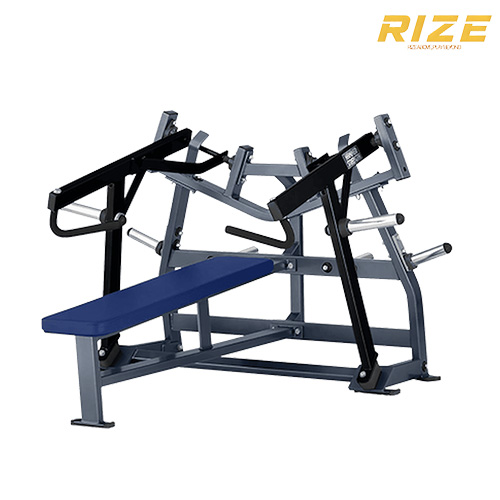
Antes de realizar un pedido, cree una lista de verificación que vaya más allá de los nombres de los productos.
Su lista de verificación de equipos comerciales de gimnasio debe incluir:
- Tipo de instalación y usuarios objetivo
- Área total de formación disponible
- Equipo cardiovascular requerido
- Equipo de fuerza requerido
- Peso libre y necesidades de accesorios
- Espacio alrededor de cada máquina
- Flujo de usuarios durante las horas pico
- Consideraciones de seguridad y normas
- Calidad del marco y del movimiento
- Rango de ajustabilidad
- Requisitos de mantenimiento
- Soporte de repuestos
- Planificación de entrega e instalación
- Espacio de actualización futuro
Esta lista de verificación ayuda a los compradores a comparar equipos de manera más profesional. También facilita la comunicación con los fabricantes.
En lugar de preguntar sólo “¿Qué máquinas tienes?”, pregunta un mejor comprador:
“¿Qué combinación de equipos se adapta a mi tipo de instalación, perfil de usuario, objetivos de capacitación, espacio disponible, capacidad de mantenimiento y plan de crecimiento a largo plazo?”
Esa pregunta conduce a mejores decisiones.
Conclusión
Elegir equipos comerciales de gimnasio es una decisión estratégica que afecta la satisfacción de los miembros, la seguridad de las instalaciones, la calidad de la capacitación, la carga de trabajo de mantenimiento y el desempeño comercial a largo plazo.
El mejor plan de equipamiento no se basa en máquinas aleatorias. Se basa en usuarios reales. Una instalación sólida debe combinar cardio, resistencia, pesas libres, bancos, sistemas de cables y áreas de entrenamiento funcional de una manera que admita a principiantes, usuarios experimentados y todos los demás.
Al comparar equipos de gimnasio comerciales, mire más allá de la apariencia. Evalúe la estabilidad del cuadro, la trayectoria de movimiento, la capacidad de ajuste, los detalles de seguridad, las necesidades de mantenimiento y cómo cada máquina se adapta a su diseño. Un gimnasio bien planificado ayuda a los miembros a entrenar con confianza, reduce la fricción operativa y crea un ambiente de acondicionamiento físico más profesional.
Para comenzar a planificar su próximo proyecto, explore nuestra gama completa de equipos de fitness comerciales o contáctenos para consulta.