Una cinta de correr comercial es uno de los equipos cardiovasculares más importantes en un gimnasio moderno. Ya sea que esté planeando un gimnasio comercial, un gimnasio de hotel, un gimnasio de apartamento, un centro de capacitación universitaria, un espacio de bienestar corporativo o un estudio privado, las cintas de correr a menudo se convierten en una de las primeras máquinas que los usuarios buscan cuando ingresan a la zona cardiovascular.
Sin embargo, elegir una cinta de correr comercial no es lo mismo que elegir una máquina básica de uso doméstico. En un entorno de alto uso, una cinta de correr debe admitir diferentes estilos de caminar y correr, largas horas de funcionamiento diarias, cambios frecuentes de velocidad e inclinación, impactos repetidos, seguridad del usuario y fácil mantenimiento. Para los propietarios de gimnasios y compradores de equipos, la verdadera pregunta no es “¿Qué cinta de correr se ve bien?” sino “¿Qué cinta de correr puede satisfacer la demanda diaria de entrenamiento de mis instalaciones con un rendimiento estable a largo plazo?”
Esta guía explica cómo elegir una cinta de correr comercial desde una perspectiva de planificación de instalaciones profesionales, incluida la demanda del usuario, el rendimiento del motor, el diseño de la plataforma de carrera, la amortiguación, la seguridad, el mantenimiento, el diseño y el valor a largo plazo.
Si está comparando equipos cardiovasculares para un proyecto, también puede explorar RIZE cintas de correr y completo equipo cardiovascular categorías.
Tabla de contenido
Por qué una cinta de correr comercial es una inversión cardiovascular básica
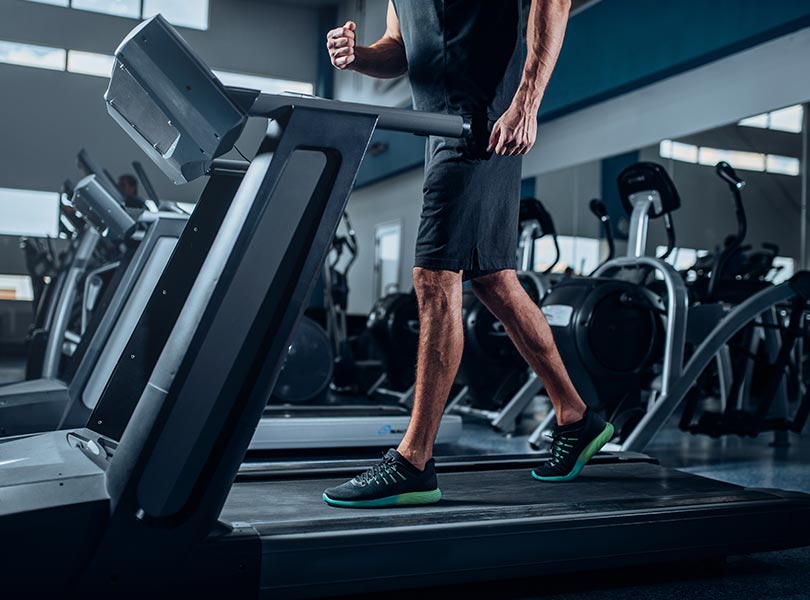
Las cintas de correr siguen siendo populares porque caminar, trotar y correr son fáciles de entender para muchos usuarios. A diferencia de algunas máquinas que requieren más aprendizaje, una cinta de correr ofrece un patrón de movimiento familiar. Los usuarios pueden comenzar a caminar lentamente, progresar a caminar inclinadamente y luego avanzar hacia el jogging, los intervalos o el entrenamiento de resistencia.
Esto hace que la cinta de correr comercial sea útil para muchos objetivos de fitness:
- Calentamiento antes del entrenamiento de fuerza
- Entrenamientos cardiovasculares generales
- Programas de control de peso
- Programas de caminata para principiantes
- Entrenamiento de intervalos
- Paseos en interiores cuando las condiciones exteriores no son las ideales
- Salas de fitness de hoteles y apartamentos
- Programas de bienestar corporativo
- Sesiones de entrenamiento personal
El Organización Mundial de la Salud recomienda actividad física regular para una mejor salud, y el Pautas de actividad física de los CDC resalte también la importancia de la actividad aeróbica semanal. Para las instalaciones de fitness, esto respalda la importancia continua de contar con equipos cardiovasculares confiables.
Una cinta de correr puede parecer simple desde el exterior, pero en un entorno comercial, cada detalle importa. El marco, el motor, la correa, la plataforma, la amortiguación, la consola, los pasamanos, el sistema de parada de emergencia y el acceso de mantenimiento afectan la experiencia diaria del usuario.
Cinta de correr comercial versus cinta de correr doméstica: ¿cuál es la diferencia?
Una cinta de correr comercial está diseñada para un uso más pesado y frecuente. Una cinta de correr doméstica puede funcionar bien para uno o dos usuarios, pero muchas personas pueden utilizar una cinta de correr de gimnasio comercial todos los días. Esa diferencia cambia el estándar de compra.
| Punto de comparación | Cinta de correr doméstica | Cinta de correr comercial |
|---|---|---|
| Uso principal | Ejercicio personal en casa | Gimnasios, hoteles, estudios, gimnasios |
| Frecuencia de uso | Menor uso diario | Uso diario repetido por múltiples usuarios |
| Requisito de marco | Estabilidad moderada | Estructura más resistente y diseño más resistente |
| Superficie de carrera | A menudo más pequeño | Generalmente más adecuado para diferentes longitudes de zancada |
| Demanda de motores | Nivel de entrenamiento personal | Uso continuo y cambios frecuentes de velocidad |
| Enfoque de seguridad | Uso individual | Entorno de uso público con diferentes usuarios |
| Necesidad de mantenimiento | Inspección ocasional | Servicio regular y mantenimiento a nivel de instalaciones |
| Prioridad del comprador | Comodidad y ahorro de espacio | Durabilidad, seguridad, rendimiento, soporte de servicio |
Para los compradores comerciales, la clave no es sólo si la cinta de correr puede funcionar. Debe funcionar de forma suave, segura y constante bajo uso repetido.
Haga coincidir la cinta de correr con su tipo de instalación
Diferentes instalaciones necesitan diferentes especificaciones y diseños de cintas de correr. Un gran gimnasio comercial tiene necesidades diferentes a las de un gimnasio de hotel o un gimnasio corporativo.
Centros de fitness comerciales
Los gimnasios comerciales suelen necesitar cintas de correr que puedan soportar un uso diario prolongado, diferentes tipos de cuerpo de usuario y diversas intensidades de entrenamiento. Estas instalaciones deben centrarse en cuadros duraderos, rendimiento confiable del motor, terrazas resistentes, controles sencillos y acceso de mantenimiento.
Habitaciones de fitness del hotel
Los gimnasios de los hoteles necesitan cintas de correr que sean fáciles de usar para los huéspedes sin entrenamiento. Son importantes los controles claros, la sensación cómoda de caminar y trotar, los pasamanos estables y la apariencia profesional. El control del ruido también es importante porque los gimnasios de los hoteles suelen estar cerca de las zonas de huéspedes.
Apartamento y Gimnasios Residenciales
Los gimnasios de apartamentos suelen atender a usuarios de fitness en general. La cinta de correr debe ser segura, intuitiva y lo suficientemente duradera para un uso compartido. La eficiencia del espacio importa, pero la máquina aún debe sentirse estable.
Instalaciones de Bienestar Corporativo
Las salas de fitness corporativas suelen centrarse en la salud general y en entrenamientos eficientes en el tiempo. Las cintas de correr deben admitir un arranque rápido, caminar, caminar inclinadamente y trotar moderadamente. La fácil operación es más importante que las funciones complicadas.
Estudios de entrenamiento personal
Los estudios de entrenamiento pueden utilizar cintas de correr para calentamientos, acondicionamientos, evaluaciones o trabajos a intervalos. Los entrenadores a menudo valoran controles receptivos, cambios de velocidad estables y configuraciones de entrenamiento flexibles.
Antes de comprar, defina claramente el tipo de instalación. La cinta de correr adecuada es la que se adapta a su grupo de usuarios, estilo de capacitación y entorno operativo.
Características clave que debe verificar antes de comprar una cinta de correr comercial
Una buena cinta de correr comercial debe evaluarse desde varios ángulos, no sólo por su apariencia.
Estabilidad del marco
El cuadro debe sentirse estable al caminar, trotar y correr. Si una cinta de correr tiembla a velocidades más altas o se siente inestable con un uso más intenso, es posible que no sea adecuada para un entorno comercial.
Rendimiento del motor
Las cintas de correr comerciales necesitan un rendimiento confiable del motor porque los cambios de velocidad, los ajustes de inclinación y el uso diario repetido crean una demanda constante. El motor debe soportar una aceleración suave y un funcionamiento estable.
Cubierta de carrera
La plataforma para correr afecta la comodidad, el espacio para zancadas y la seguridad. Una cinta de correr comercial para gimnasio debe proporcionar suficiente área para correr para diferentes usuarios, incluidos caminantes, corredores y corredores más altos.
Calidad de la correa
El cinturón debe moverse suave y consistentemente. Un cinturón deficiente puede afectar la comodidad del usuario y aumentar las necesidades de mantenimiento.
Sistema de amortiguación
El acolchado ayuda a mejorar la comodidad al caminar y correr. Debe reducir los impactos fuertes sin que la superficie para correr se sienta inestable.
Función inclinada
El entrenamiento en pendiente es importante porque permite a los usuarios aumentar la intensidad del entrenamiento sin aumentar siempre la velocidad. Esto es útil para entrenamientos para caminar, programas para perder grasa y sesiones de acondicionamiento a menor velocidad.
Consola y controles
La consola debería ser fácil de entender. Los botones grandes, las opciones de arranque rápido, los controles claros de velocidad e inclinación y los datos de entrenamiento legibles ayudan a los usuarios a entrenar con más confianza.
Características de seguridad
Los sistemas de parada de emergencia, pasamanos estables, barandillas laterales e instrucciones claras para el usuario son importantes en entornos de uso compartido. Normas de seguridad de equipos de fitness como ISO 20957 puede utilizarse como referencia a la hora de evaluar equipos de entrenamiento estacionarios.
Tamaño de la plataforma y el cinturón para correr: por qué la comodidad del usuario depende del espacio
El área de carrera es uno de los factores más importantes en la selección de cintas de correr. Es posible que una cinta de correr utilizada sólo para caminar lentamente no necesite la misma superficie para correr que una cinta de correr utilizada para trotar y correr. Pero en un gimnasio comercial, la máquina debería atender a muchos usuarios, por lo que el tamaño de la plataforma y la calidad de la correa se vuelven más importantes.
Una plataforma para correr demasiado corta puede resultar incómoda para usuarios más altos o corredores con zancadas más largas. Un cinturón demasiado estrecho puede hacer que los usuarios se sientan restringidos. Una plataforma demasiado blanda o demasiado dura puede afectar la comodidad durante sesiones más largas.
Al evaluar la superficie de carrera, considere:
- Usuarios andantes
- Usuarios que corren
- Usuarios más altos
- Usuarios con mayor longitud de zancada
- Entrenamiento de intervalos
- Caminata inclinada
- Sesiones cardiovasculares de larga duración
Una cinta de correr en un espacio público de fitness debería sentirse estable y tolerante con muchos estilos de entrenamiento. No debería parecer que solo se adapta a un tipo de usuario.
Motor, inclinación y velocidad: piense en el uso diario, no solo en los números
Muchos compradores se centran en gran medida en las especificaciones del motor, pero el rendimiento en el mundo real es más importante que un solo número. Una cinta de correr comercial debe funcionar de manera constante en arranques, paradas, cambios de velocidad y ajustes de inclinación repetidos.
Para instalaciones comerciales, haga estas preguntas:
- ¿la cinta de correr acelera suavemente?
- ¿Se siente estable la velocidad durante el uso?
- ¿el ajuste de la pendiente es suave?
- ¿Pueden los usuarios cambiar la configuración fácilmente durante el ejercicio?
- ¿La cinta de correr funciona con niveles de ruido aceptables?
- ¿La máquina es adecuada tanto para caminar como para correr?
- ¿Puede el motor soportar el funcionamiento diario frecuente?
Incline es especialmente útil porque permite a los usuarios aumentar la intensidad del entrenamiento sin necesidad de altas velocidades de carrera. Para muchas instalaciones, caminar en pendiente es valioso para principiantes, usuarios de control de peso y miembros que prefieren cardio de menor impacto.
Una cinta de correr con velocidad suave y control de inclinación puede respaldar una mayor variedad de entrenamiento y mejorar la experiencia del usuario.
La seguridad y la accesibilidad deben planificarse desde el principio
Muchas personas utilizan una cinta de correr comercial, incluidos principiantes, adultos mayores, huéspedes de hoteles, empleados corporativos y corredores experimentados. La seguridad debe ser parte del proceso de selección de equipos, no una ocurrencia tardía.
Los detalles importantes de seguridad y accesibilidad incluyen:
- Función de parada de emergencia
- Pasamanos estables
- Rieles laterales para bajarse con seguridad
- Pantalla clara de la consola
- Operación de arranque rápido simple
- Acceso intensificado bajo y estable siempre que sea posible
- Zonas de contacto antideslizantes
- Espaciado adecuado entre máquinas
- Fácil visibilidad para la supervisión del personal
- Borrar instrucciones de usuario
El Colegio Americano de Medicina Deportiva proporciona estándares y pautas para las instalaciones que pueden ayudar a los operadores a pensar de manera más profesional sobre la seguridad, la operación y la experiencia de los miembros.
La seguridad también depende de la ubicación. Las cintas de correr no deben embalarse demasiado apretadas. Los usuarios necesitan espacio para entrar, salir y moverse con seguridad alrededor de cada máquina.
Colocación de cintas de correr comerciales: cómo mejorar el flujo de la zona cardiovascular
El diseño de la cinta de correr afecta la forma en que se sienten los usuarios cuando ingresan al gimnasio. Una buena zona cardiovascular debe sentirse abierta, organizada y fácil de navegar.
Al colocar cintas de correr, considere:
- Espacio de entrada y salida detrás de cada máquina
- Distancia entre máquinas
- Visibilidad del personal o zonas de recepción
- Flujo de aire y ventilación
- Acceso a limpieza y mantenimiento
- Planificación del suministro de energía
- Control de ruido
- Privacidad y comodidad del usuario
- Relación con otras máquinas cardiovasculares
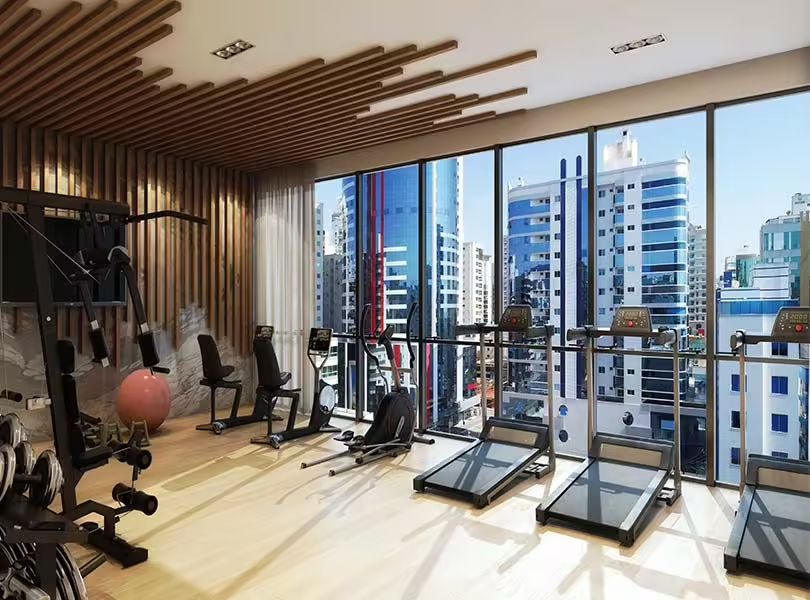
En muchas instalaciones, las cintas de correr se colocan cerca de ventanas o paredes abiertas porque los usuarios suelen preferir un entorno visual más espacioso durante el entrenamiento cardiovascular. Sin embargo, la función siempre debe ir antes que la apariencia. El personal debería poder inspeccionar y limpiar las máquinas fácilmente.
Si su gimnasio incluye varios tipos de cardio, coloque cintas de correr cerca de otros equipos cardiovasculares como bicicletas, elípticas, escaladores y remeros. Esto ayuda a crear una zona completa de entrenamiento cardiovascular.
Para obtener un plan cardiovascular más amplio, puede revisar el de RIZE equipos cardiovasculares comerciales opciones.
¿cuántas cintas de correr comerciales necesita un gimnasio?
La cantidad de cintas de correr depende del tamaño de las instalaciones, el perfil de los miembros, el tráfico en las horas pico y el papel del entrenamiento cardiovascular en su gimnasio.
Es posible que el gimnasio de un hotel solo necesite una pequeña cantidad de cintas de correr. Un gimnasio comercial puede necesitar un área de cinta de correr más grande porque las cintas de correr se utilizan a menudo durante las horas pico. Una instalación de bienestar corporativo puede necesitar suficientes unidades para realizar sesiones de capacitación breves antes del trabajo, durante el almuerzo o después del horario de oficina.
En lugar de utilizar una regla fija, planifique según el uso:
- ¿Cuántos usuarios entrenan durante las horas pico?
- ¿la mayoría de los miembros están centrados en el cardio o en la fuerza?
- ¿los usuarios prefieren caminar, correr o entrenar de forma mixta?
- ¿las instalaciones están diseñadas para entrenamientos rápidos o sesiones más largas?
- ¿necesita más cintas de correr que otras máquinas cardiovasculares?
- ¿esperarán los miembros disponibilidad de cintas de correr sin largos tiempos de espera?
Una zona cardiovascular equilibrada suele incluir cintas de correr, bicicletas, elípticas, escaladores y remeros. Las cintas de correr son importantes, pero no deben eliminar la variedad.
Puede conectar la planificación de cintas de correr con una estrategia completa de gimnasio leyendo nuestro guía de compra de equipos comerciales para gimnasios.
Planificación del mantenimiento: el factor oculto detrás del rendimiento a largo plazo
El mantenimiento es una de las partes más importantes de la propiedad comercial de cintas de correr. Una cinta de correr tiene piezas móviles, sistemas eléctricos, correas de rodadura, plataformas, rodillos, motores y sistemas de control. En una instalación concurrida, estas piezas deben inspeccionarse periódicamente.
Una rutina de mantenimiento práctica debe incluir:
- Inspección visual diaria
- Limpieza de sudor y polvo de las zonas de contacto
- Comprobando el movimiento de la correa
- Inspección de alineación de la correa
- Escuchar ruidos inusuales
- Comprobando la función de parada de emergencia
- Revisando el funcionamiento de la consola
- Inspeccionar el estado de la cubierta
- Comprobación de tornillos y piezas móviles
- Programar un servicio profesional cuando sea necesario
Un buen mantenimiento protege la seguridad del usuario y reduce el tiempo de inactividad. También ayuda a las instalaciones a mantener una imagen profesional. Los miembros notan cuando las máquinas son ruidosas, inestables o están fuera de servicio.
Por lo tanto, la decisión de comprar una cinta de correr debe incluir preguntas sobre repuestos, acceso al servicio, soporte técnico y orientación de mantenimiento.
Errores de compra de cintas de correr comerciales que se deben evitar
Una cinta de correr puede parecer fácil de comprar, pero muchas instalaciones cometen errores que afectan el rendimiento a largo plazo.
Elegir basándose únicamente en la apariencia
Una cinta de correr debe parecer profesional, pero la apariencia por sí sola no demuestra durabilidad. La máquina debe sentirse estable, funcionar sin problemas y soportar el uso diario.
Ignorar la demanda real del usuario
Algunas instalaciones compran muy pocas cintas de correr y crean problemas de espera durante las horas pico. Otros compran demasiados y reducen el espacio para entrenamiento de fuerza o zonas funcionales.
Subestimar el mantenimiento
Las cintas de correr necesitan cuidados regulares. Si las instalaciones no planifican el mantenimiento, incluso un buen equipo puede funcionar mal con el tiempo.
Ruido mirando hacia afuera
El ruido importa en hoteles, apartamentos, estudios y gimnasios corporativos. Una cinta de correr demasiado ruidosa puede afectar toda la experiencia de las instalaciones.
Olvidando el espacio libre
Las cintas de correr necesitan un espacio seguro a su alrededor. La colocación abarrotada puede hacer que los usuarios se sientan incómodos y puede generar riesgos de seguridad.
Elegir la cinta de correr incorrecta para el tipo de instalación
Una cinta de correr para una pequeña sala de bienestar puede no ser adecuada para un gran gimnasio comercial. Adapte siempre la máquina a la intensidad de uso real.
Lista de verificación de cintas de correr comerciales para compradores
Antes de finalizar su compra, utilice esta lista de verificación:
- Tipo de instalación y perfil de usuario
- Nivel de uso diario esperado
- Caminar, trotar o correr demanda
- Estabilidad del marco
- Rendimiento del motor
- Tamaño de la plataforma de carrera
- Calidad de la correa
- Sensación de amortiguación
- Función inclinada
- Usabilidad de la consola
- Características de seguridad
- Nivel de ruido
- Espaciado de máquinas
- Acceso de mantenimiento
- Soporte de repuestos
- Garantía y soporte técnico
- Compatibilidad con otros equipos cardiovasculares
- Plan de actualización a largo plazo
Esta lista de verificación ayuda a los compradores a tomar decisiones basadas en las necesidades reales de las instalaciones en lugar de comparar productos a nivel de superficie.
¿necesita ayuda para elegir la cinta de correr comercial adecuada?
Elegir la cinta de correr comercial adecuada puede influir en la satisfacción de los miembros, el flujo de la zona cardiovascular, la seguridad y el funcionamiento de las instalaciones a largo plazo. La mejor opción depende del tipo de instalación, el uso diario esperado, el espacio disponible, el perfil del usuario y la combinación de equipos.
RIZE ofrece equipos de fitness para gimnasios comerciales, estudios, hoteles, espacios de bienestar y compradores de proyectos. Puedes explorar nuestro cintas de correr, comparați relatat equipo cardiovascular, sau contáctanos para consulta de proyectos.
Conclusión
Una cinta de correr comercial es más que una máquina cardiovascular. Es una estación de entrenamiento de uso diario que afecta la experiencia de los miembros, el diseño del gimnasio, la seguridad y el funcionamiento a largo plazo.
Al elegir una cinta de correr comercial, concéntrese en el tipo de instalación, la demanda de los usuarios, la estabilidad del bastidor, el rendimiento del motor, la comodidad de la plataforma de carrera, las características de seguridad, el acceso y la ubicación de mantenimiento. Un entorno de fitness de alto uso necesita equipos que puedan soportar a muchos usuarios, operaciones repetidas y un rendimiento constante a lo largo del tiempo.
Para propietarios de gimnasios, proyectos de fitness de hoteles, distribuidores y planificadores de instalaciones de bienestar, la mejor opción de cinta de correr no siempre es el modelo más complejo. Es el modelo que se adapta a tus usuarios, tu espacio, tus objetivos de entrenamiento y tus necesidades comerciales a largo plazo.