
Table of Contents
Quick Answer
Commercial strength equipment decisions require a structured evaluation of the complete strength equipment package for a commercial facility against user needs, operating conditions, facility constraints, documentation, service, and acceptance requirements. For gym developers, procurement managers, trainers, and facility operators, the immediate objective is to convert programming and capacity needs into a model-by-model procurement schedule. Start with a written brief, compare evidence for the exact model or process, and close every exception before approval.
This guide treats commercial strength equipment planning as a practical commercial decision rather than a marketing exercise. It does not replace model instructions, qualified technical advice, or the laws and standards that apply in a particular location. It gives project teams a repeatable method for asking better questions and preserving clear records.
Define the Users and Training Role
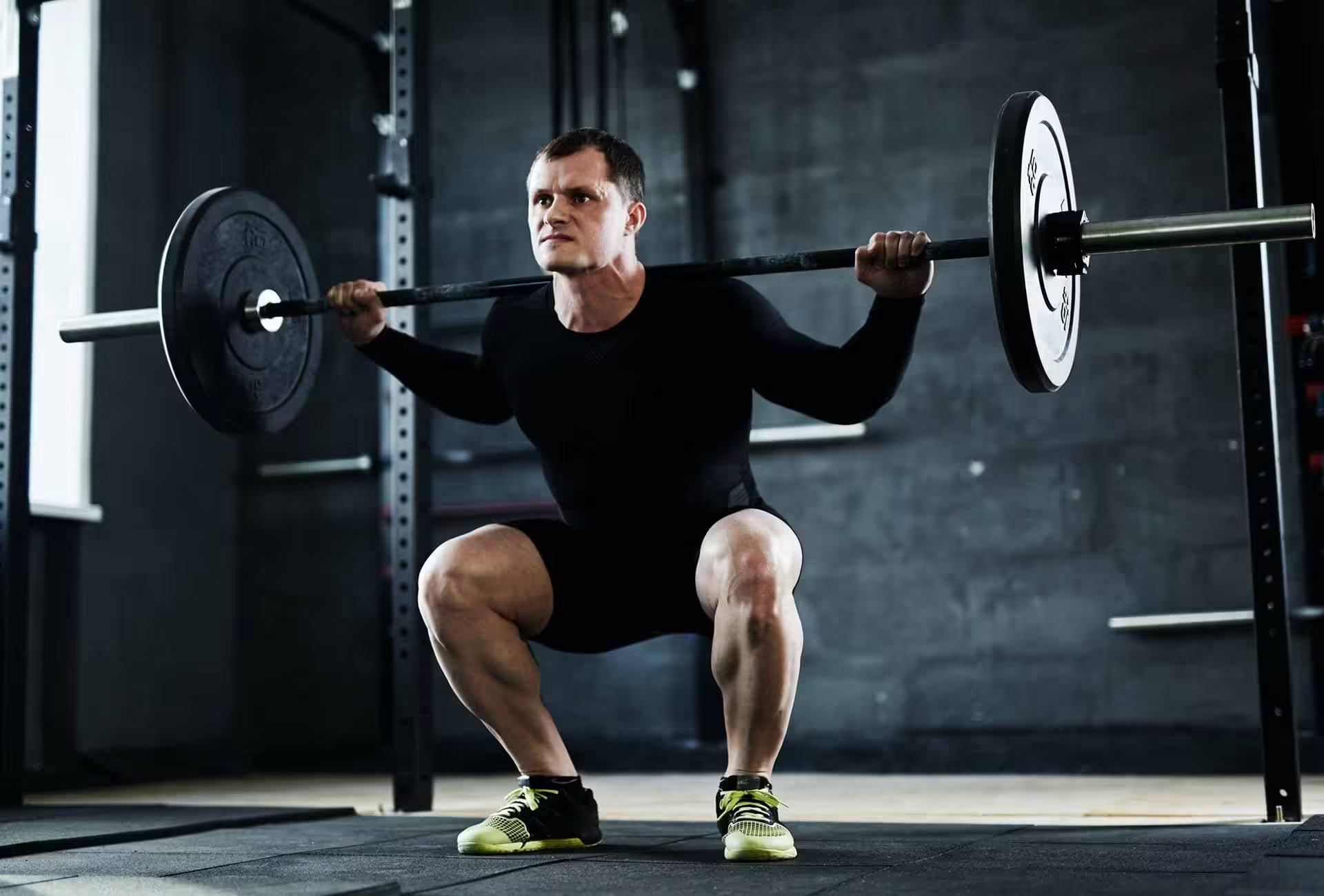
For gym developers, procurement managers, trainers, and facility operators, commercial strength equipment decisions is expected to start with the people and training role, not a feature list. The working group is evaluating the complete strength equipment package for a commercial facility and wants to convert programming and capacity needs into a model-by-model procurement schedule. Describe member experience, supervision, mobility needs, expected use, and the exercises or capacity the equipment must add.
Map the proposed role against the current floor. During commercial strength equipment check, determine whether the option fills a genuine movement or capacity gap, improves access, or simply duplicates an existing station. The strength training equipment guide can help establish the wider strength or equipment context.
Turn the Use Case Into a Specification
A clear commercial strength equipment specification describes outcomes and constraints. Include intended environment, use class, user range, movement purpose, adjustment needs, footprint, operating envelope, storage, cleaning, inspection, parts, documents, and site interfaces. Keep mandatory requirements separate from preferences.
The ISO 20957-1:2024 overview is a relevant starting reference for stationary training equipment. Buyers is expected to still obtain evidence for the exact model and applicable location. Good commercial strength equipment avoids vague words such as robust or ergonomic unless the proposal explains what they mean and how the buyer will verify them.
Assess Entry, Adjustment, and Movement
User experience is central to commercial strength equipment. Observe how a person approaches, enters, adjusts, selects resistance, performs the movement, exits, and resets the station. Controls and instructions is expected to be visible, adjustments is expected to engage positively, and the movement is expected to remain controlled through the intended range.
Test more than one intended user profile. A machine that suits a single demonstrator may not suit the facility’s membership. During commercial strength equipment, document the tested settings, unresolved fit questions, and any professional programming limits rather than making universal claims.
Check the Six Model and Facility Factors
Use the same sequence for every commercial strength equipment option so attractive features do not distract from operational requirements. Check these factors against the approved brief:
- member profiles, training goals, supervision, and peak occupancy.
- movement coverage and the balance of guided and free-weight options.
- station capacity, likely queues, and complementary exercise choices.
- footprints, operating envelopes, storage, and circulation.
- adjustments, labels, user contact points, and cleaning access.
- maintenance tasks, wear parts, manuals, warranties, and service ownership.
For each factor, mark evidence as confirmed, conditional, or missing. commercial strength equipment is expected to not rely on a family brochure when dimensions, adjustments, parts, or service access differ by model. Determine for clarification before assigning a final score.
Check Durability Through Inspectable Details
Durability in commercial strength equipment is not a single frame number. Examine stability, joints, weld areas, pivots, stops, cables or belts, bearings, guide components, upholstery, grips, fasteners, finishes, and the way high-touch parts can be replaced. Determine which items are expected to wear and how condition is assessed.
The HSE work equipment inspection guidance supports a risk-based approach to inspection. Even outside that jurisdiction, it is reasonable for commercial strength equipment to consider whether critical points can be seen, reached, recorded, and serviced without improvised disassembly.
Confirm Footprint, Capacity, and Placement
A successful commercial strength equipment choice must work in the planned zone. Plot the frame, moving envelope, user positions, loading or attachment space, storage, routes, and service access. For powered equipment, coordinate model-specific electrical and ventilation needs with qualified designers.
Capacity depends on how quickly users can set up and whether alternatives exist at peak time. Use the plate-loaded machine guide to compare the proposed station with the wider equipment mix. commercial strength equipment is expected to improve the floor as a system, not merely fill an empty rectangle.
Plan Cleaning, Inspection, Parts, and Support
Ownership information belongs in commercial strength equipment. Request manuals, cleaning compatibility, inspection points, replacement criteria, parts identification, warranty terms, and a technical support route. Confirm who can perform routine tasks and who handles safety-critical or specialized work.
The OSHA machine guarding standards provides general maintenance principles that help buyers determine practical questions. Connect the selected model to the functional trainer guide, create an asset log at installation, and retain the documents needed by operations and service teams.
Avoid Common Selection Errors
Most commercial strength equipment errors come from testing too little, comparing unlike scopes, or overlooking the facility. Pause the decision when any of these conditions appears:
- using a supplier catalog as the equipment schedule.
- counting models instead of usable training capacity.
- overweighting visual consistency while missing movement gaps.
- approving products before floor and utility coordination.
Log the consequence of each unresolved issue. A missing dimension may delay layout approval; unclear parts may extend downtime; an unsuitable adjustment range may exclude intended users. This keeps commercial strength equipment focused on operational outcomes instead of promotional language.
Field Notes for Commercial Strength Equipment
The following field notes turn commercial strength equipment into a check sequence for this specific topic. They are deliberately practical: each note identifies what to verify, what to log, and what decision the evidence is expected to support. Adapt the sequence to the applicable model instructions, site, and jurisdiction.
Establish the baseline by reviewing member profiles, training goals, supervision, and peak occupancy. Name the source of the information, the person who verified it, and the revision or date. If the input is provisional, show the condition that must be satisfied before approval.
Confirm movement coverage and the balance of guided and free-weight options. Observe the actual condition or obtain model-specific evidence instead of relying on a family description. Log any limit that affects users, layout, service, or acceptance.
Test the proposal against station capacity, likely queues, and complementary exercise choices. Determine operations staff how this will work during a busy period and determine technical staff how it will be inspected. An answer that depends on an informal workaround needs a controlled action.
Assign responsibility for footprints, operating envelopes, storage, and circulation. The project log is expected to state who supplies the information, who reviews it, who performs the work, and who confirms completion. This prevents significant tasks from disappearing between supplier, installer, and operator.
Preserve evidence for adjustments, labels, user contact points, and cleaning access. Useful evidence may include a drawing, manual section, photograph, inspection entry, supplier clarification, or signed acceptance item. Keep it with the asset or project file so later teams can understand the decision.
Close the check with maintenance tasks, wear parts, manuals, warranties, and service ownership. Compare the result with the original operating need and note any exception. If the facility cannot maintain the requirement after opening, revise the choice or the operating plan before handover.
The same discipline applies to warning signs. Do not merely list a concern; describe its likely consequence, the immediate control, the evidence needed for closure, and the person authorized to approve the result.
Treat using a supplier catalog as the equipment schedule as an evidence gap. Pause the affected decision, identify the missing log, and keep the item open until the proposed control can be checked.
When you find counting models instead of usable training capacity, compare the proposal with the approved brief. The response may require clarification, a layout or scope change, competent assessment, or rejection of the option.
If the check reveals overweighting visual consistency while missing movement gaps, document who is exposed to the consequence and when it could occur. That context helps the working group assign priority without exaggerating the claim.
Prevent recurrence of approving products before floor and utility coordination by updating the specification, checklist, drawing, training note, or acceptance form that allowed the gap to pass unnoticed.
These notes make commercial strength equipment easier to hand over because the final file explains both the decision and the operating assumptions behind it. Check the notes again after installation, a major service event, relocation, or a change in facility use.
Compare Options With a Practical Matrix
A commercial strength equipment matrix is expected to use confirmed evidence and the same decision headings for every option. Do not let a high total score compensate for failure of a mandatory safety, site, or user requirement.
| Check area | Evidence or planning input | Decision question |
|---|---|---|
| Selectorized | Guided setup and fast load changes | Cables, pulleys, stacks, guards, adjustments |
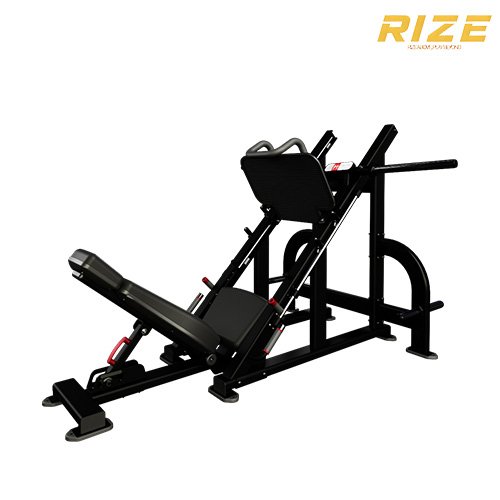
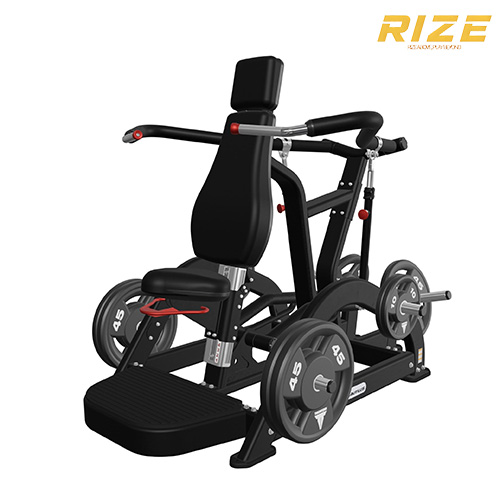
| Plate-loaded | Familiar loading and robust movement options | Plate storage, handling space, user setup |
| Racks and benches | Flexible barbell and dumbbell training | Spotting, storage, anchoring, supervision |
| Functional stations | Multi-planar exercises and coaching flexibility | Open radius, attachments, cable inspection |
Procurement, trainers, operations, and technical advisers may score different parts of commercial strength equipment. Keep their comments with the matrix so the final approval shows both the choice and the reasoning behind it.
Write the Final Equipment Schedule
Complete commercial strength equipment with a controlled schedule naming the model, quantity, options, accessories, finishes, dimensions, utilities, included documents, parts or service scope, delivery responsibility, installation, and acceptance checks. Link every exception to an approved clarification.
Before release, check the schedule against the floor plan and operating brief. The 2010 ADA Standards for Accessible Design may offer a relevant official perspective depending on the topic and jurisdiction. For project-specific product information, compare the commercial fitness equipment range and confirm unresolved questions through contact the Rize Sport team.
Frequently Asked Questions
What is expected to a commercial strength equipment checklist include?
A commercial strength equipment checklist is expected to cover the exact scope, intended users, operating environment, model or asset identity, facility interfaces, inspection and service needs, documents, responsibilities, acceptance evidence, and open actions.
Who is expected to be involved in commercial strength equipment?
Include the buyer or owner, facility operations, trainers or user representatives, technical advisers, installers, and service personnel as relevant. commercial strength equipment works best when each person reviews the decisions they will later own.
How early is expected to commercial strength equipment begin?
Begin commercial strength equipment before models or positions are fixed. Early check allows the working group to coordinate the complete strength equipment package for a commercial facility with the floor, utilities, access, service plan, documents, and project schedule while changes are still manageable.
Which documents support commercial strength equipment?
Use controlled specifications, drawings, manuals, inspection criteria, parts information, warranty terms, supplier clarifications, site drawings, installation records, and acceptance forms. Keep the revision and model identity visible.
What is the main outcome of commercial strength equipment?
The main outcome is a documented decision that helps the working group convert programming and capacity needs into a model-by-model procurement schedule. It is expected to show what was approved, why it is suitable, who is responsible, and how the result will be checked.
Next Step
Effective commercial strength equipment turns a broad intention into a controlled brief, comparable evidence, and an acceptance log. Keep the user, operating environment, facility interface, maintenance plan, and responsible organizations visible from the first check through handover.

If you are planning a new facility, replacement program, or distributor project, share your equipment schedule, floor plan, target users, and service requirements with Rize Sport. The working group can help you compare appropriate configurations and provide model information for your commercial strength equipment check.