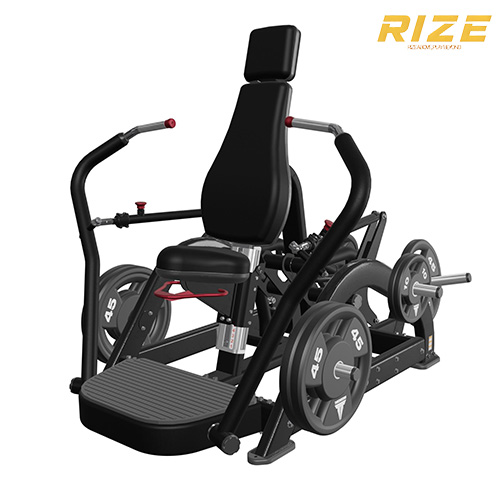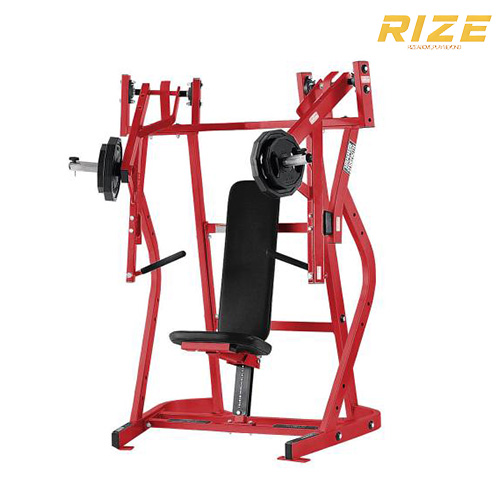
A plate loaded machine is one of the most important equipment types in a serious strength training area. For commercial gyms, fitness clubs, training studios, school gyms, hotel fitness rooms, and distributor projects, plate loaded machines help create a more professional training environment because they combine guided movement with progressive loading.
Unlike selectorized machines that use a built-in weight stack, plate loaded strength equipment uses weight plates to create resistance. This makes the machine especially attractive for users who want heavier loading, a stronger training feel, and more control over progression.
For gym owners and project buyers, the key question is not simply whether to add plate loaded machines. The more important question is how to choose the right machine types, place them correctly, and match them with the real training needs of your facility.
RIZE offers different plate loaded strength equipment options for commercial strength zones, including machines for chest, back, shoulders, legs, and full-body strength development.
Table of Contents
Why Plate Loaded Machines Are Popular in Commercial Gyms
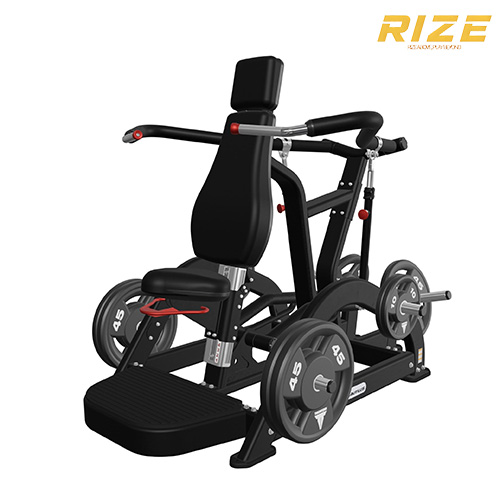
Plate loaded machines are popular because they give users a strong and direct training experience. They feel closer to free weight training than many fixed-stack machines, but they still provide a guided motion path. This combination makes them useful for both experienced lifters and members who want more confidence than free weights alone.
In modern gym planning, strength training is becoming more important. The World Health Organization recommends muscle-strengthening activities involving major muscle groups, while the CDC also highlights muscle-strengthening activity as part of adult physical activity guidelines.
For commercial facilities, this means a strong plate loaded zone can help meet growing member demand for resistance training. It also gives the gym a more complete and professional appearance.
A well-planned plate loaded area can support:
- Heavy strength training
- Muscle-building programs
- Upper body push and pull movements
- Lower body training
- Unilateral training
- Progressive overload
- Advanced member retention
- Personal training sessions
Plate Loaded Machine vs. Selectorized Machine
Both plate loaded and selectorized machines are useful, but they serve different purposes.
| Comparison Point | Plate Loaded Machine | Selectorized Machine |
|---|---|---|
| Resistance source | External weight plates | Built-in weight stack |
| Best users | Intermediate to advanced users | Beginners and general users |
| Training feel | Heavier and more direct | Controlled and simple |
| Adjustment speed | Requires loading plates | Fast pin adjustment |
| Space need | More clearance for plates | Usually more compact |
| Maintenance focus | Frames, pivots, bearings, plate horns | Weight stacks, cables, guide rods |
| Gym image | Strong, professional, performance-focused | Easy, approachable, beginner-friendly |
A complete commercial gym should not choose only one type. Selectorized machines help beginners train safely and easily, while plate loaded machines help experienced users progress and train with heavier resistance.
If your gym already has basic selectorized equipment, adding plate loaded machines can upgrade the strength area and attract more serious training users. You can also read our strength training equipment guide for a broader strength area planning strategy.
Choose Plate Loaded Machines by Movement Pattern
One of the best ways to choose plate loaded gym equipment is by movement pattern. Instead of buying random machines, build a balanced training zone that covers major muscle groups.
Upper Body Push Machines
Upper body push machines include chest press, incline chest press, decline chest press, shoulder press, and related pressing equipment. These machines are important because chest and shoulder training are high-demand areas in many commercial gyms.
For example, a chest press machine can help users train pressing strength with a guided path and stable body position.
Upper Body Pull Machines
Pulling machines include low row, high row, lat pulldown-style machines, and rear-delt or back-focused equipment. These machines help balance chest and shoulder training by supporting back development.
A low row machine is useful for horizontal pulling movements, while a high row machine supports upper-back and lat-focused training from a different angle.
Shoulder Training Machines
Shoulder press machines are valuable in commercial gyms because many users want upper body strength but may not feel confident using free weight overhead presses. A guided shoulder press machine can support controlled pressing movement.
Lower Body Machines
Leg press, squat-style machines, calf machines, glute trainers, and related lower body plate loaded machines are important for building a complete strength area. Lower body machines usually require more space, so they should be planned carefully.
Core and Accessory Machines
Some plate loaded equipment also supports abdominal, oblique, lower back, and accessory movements. These machines can help create a more complete training experience, especially in facilities that want to serve both general fitness users and advanced members.
Why Movement Path Matters So Much
A plate loaded machine should feel natural, not forced. The movement path affects comfort, muscle engagement, safety, and user confidence.
A good machine should guide the user through a stable path while still allowing a strong contraction. If the path feels awkward, users may avoid the machine or use poor form.
When evaluating movement path, consider:
- Does the machine match natural joint movement?
- Does the handle position feel comfortable?
- Is the starting position easy to enter?
- Can users train through a useful range of motion?
- Does the movement feel smooth under load?
- Is the resistance curve suitable for the exercise?
- Can different body sizes use the machine comfortably?
The American College of Sports Medicine has emphasized that consistent resistance training is important for strength and physical function. For commercial gyms, equipment that feels smooth and comfortable can support better training consistency because members are more likely to use it regularly.
Frame Strength and Stability Are Not Optional
Plate loaded machines must handle repeated loading and unloading. In commercial gyms, users may train with different resistance levels all day. This makes frame strength and stability extremely important.
A professional plate loaded machine should have a stable base, strong structure, high-quality welding, reliable pivot points, and secure plate storage positions. If the frame shakes during heavy movement, the machine may create a poor user experience.
Key structural points to check include:
- Frame material and tube structure
- Welding consistency
- Base stability
- Pivot and bearing quality
- Handle strength
- Seat and pad support
- Plate horn positioning
- Surface coating quality
- Floor contact points
A stable machine gives users confidence. It also helps the gym maintain a professional image.
Loading Design and Plate Storage
Plate loaded machines need enough space for users to load and unload weight plates safely. The plate horns should be positioned so users can load plates without awkward twisting or reaching.
Good loading design should consider:
- Easy plate access
- Safe loading height
- Stable plate storage
- Clear side space
- Balanced machine movement
- Reduced clutter around the machine
Integrated plate storage is useful because it keeps weight plates close to the machine and helps maintain a cleaner floor. Without proper storage, plates may be left on the ground, creating safety and organization problems.
When planning a plate loaded zone, do not only measure the machine footprint. You must also include the working area around the machine.
Seat, Pad, and Handle Design Affect Daily Use

Users often judge equipment by how it feels. Even if the frame is strong, poor contact points can reduce user satisfaction.
Important comfort details include:
- Seat height adjustment
- Back pad angle
- Chest pad support
- Pad density
- Upholstery durability
- Handle angle
- Grip texture
- Foot placement
- Entry and exit space
For example, a row machine with a poorly positioned chest pad may feel uncomfortable during heavy pulling. A press machine with awkward handles may limit shoulder comfort. A leg machine with unstable foot support may make users feel unsafe.
In a commercial facility, these small details matter because equipment is used repeatedly by many different people.
Plan the Plate Loaded Zone for User Flow
Plate loaded machines usually need more space than selectorized machines because users must move plates, load both sides, and sometimes perform wider movements. A crowded plate loaded zone can quickly become frustrating.
A better layout should group machines by training area:
- Chest and shoulder press zone
- Back and pulling zone
- Leg training zone
- Plate storage zone
- Free weight and bench zone nearby
- Walkway and safety clearance
This layout helps members find the machines they need and reduces unnecessary walking during workouts.
For example, chest press and shoulder press machines can be placed near benches and dumbbells. Low row and high row machines can be placed near back-training equipment. Leg press and lower body machines should be positioned with extra space because they often have larger frames.
A smart layout improves both safety and member experience.
Safety Standards and Facility Responsibility
Commercial gym equipment should be selected with safety in mind. This includes machine design, installation, spacing, inspection, and user instructions.
International standards such as ISO 20957 provide safety requirements and test methods for stationary training equipment. While buyers do not need to become technical standard experts, they should understand that commercial fitness equipment must be evaluated beyond appearance.
A safe plate loaded machine should have:
- Stable frame structure
- Secure movement arms
- Reliable stop positions
- Clear loading points
- Smooth pivots
- Safe handles
- Strong pads
- Proper warning labels
- Enough clearance around the machine
Gym operators should also inspect equipment regularly. Loose bolts, damaged pads, worn bearings, unstable grips, and broken parts should be addressed before they affect users.
Maintenance Considerations for Plate Loaded Machines
Plate loaded equipment is often easier to maintain than complex electronic cardio machines, but it still needs regular inspection.
A maintenance routine should include:
- Checking bolts and fasteners
- Inspecting welds and frame condition
- Cleaning upholstery and handles
- Checking pivot movement
- Listening for unusual noise
- Inspecting plate horns
- Checking rubber stops and safety points
- Reviewing pad wear
- Keeping the surrounding area clean
Because plate loaded machines are often used for heavier training, small issues should not be ignored. A loose handle or unstable pad can reduce user confidence and increase risk.
Good maintenance also protects the investment value of the facility. A clean, stable, well-maintained strength zone looks more professional and encourages members to train more often.
Common Mistakes When Buying Plate Loaded Machines
Many buyers make similar mistakes when selecting plate loaded equipment.
Buying Only Upper Body Machines
Chest and shoulder machines are popular, but a gym also needs back and lower body equipment. A balanced strength area should train push, pull, legs, and core.
Ignoring Plate Storage
Without enough plate storage, the gym floor becomes messy. Users may leave plates on machines or on the ground, reducing safety and organization.
Not Leaving Enough Clearance
Plate loaded machines need side clearance. If machines are too close together, users may struggle to load plates or move safely.
Choosing Machines Only by Appearance
A modern design is useful, but movement quality, frame stability, and adjustment comfort are more important for long-term use.
Forgetting Beginner Transition
Plate loaded machines are often used by intermediate and advanced members, but beginners may also want to try them. Clear layout, intuitive touchpoints, and simple starting positions can help more users feel confident.
Overlooking Maintenance Access
Machines should be placed where staff can inspect, clean, and service them easily. A beautiful layout that blocks maintenance access will create problems later.
Best Plate Loaded Machine Mix for a Commercial Gym
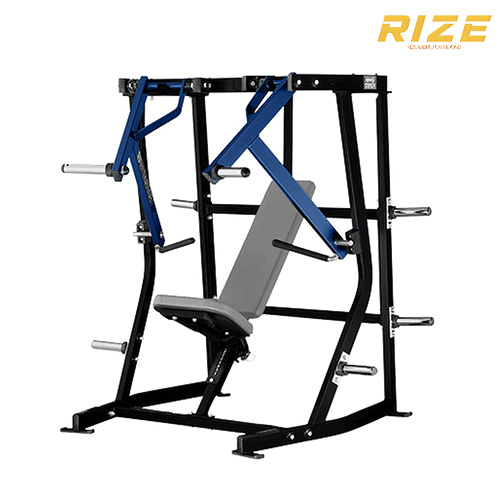
A balanced commercial plate loaded zone may include:
- Chest press machine
- Incline press machine
- Shoulder press machine
- Low row machine
- High row machine
- Lat-focused pull machine
- Leg press machine
- Squat or glute machine
- Calf machine
- Abdominal or oblique machine
- Integrated plate storage
- Benches and free weight support nearby
The exact mix depends on your space, target users, and training positioning.
A general commercial gym may need a balanced mix for all major muscle groups. A strength-focused facility may need more heavy-duty plate loaded options and larger free weight areas. A hotel or apartment gym may only need selected machines that are easy to use and space-efficient.
Conclusion
A plate loaded machine can make a commercial gym feel stronger, more professional, and more attractive to users who care about serious strength training. Compared with simple beginner machines, plate loaded strength equipment gives members more loading freedom, a stronger training feel, and better progression potential.
However, the best results come from careful planning. Buyers should consider movement pattern, frame stability, loading design, user comfort, safety, maintenance, and layout flow. A complete facility should not rely on one machine type only. Plate loaded machines should work together with selectorized equipment, cable machines, benches, free weights, and cardio areas.
If you are planning a new strength zone or upgrading an existing fitness facility, explore RIZE’s plate loaded strength equipment or contact us to discuss a suitable equipment plan for your project.