
جدول المحتويات
إجابة سريعة
تتطلب قرارات فحص معدات الصالة الرياضية تقييمًا منظمًا لبرنامج فحص المنشأة عبر أصول القوة وتمارين القلب مقابل احتياجات المستخدم وظروف التشغيل وقيود المنشأة والوثائق والخدمة ومتطلبات القبول. بالنسبة لمديري الصالة الرياضية وقادة العمليات والفنيين وفرق الصحة والسلامة، فإن الهدف المباشر هو فصل عمليات الفحص السريعة التي يواجهها المستخدم عن عمليات التفتيش الفنية المختصة. ابدأ بموجز مكتوب، وقارن الأدلة للنموذج أو العملية الدقيقة، وأغلق كل استثناء قبل الموافقة.
يتعامل هذا الدليل مع تخطيط فحص معدات الصالة الرياضية باعتباره قرارًا تجاريًا عمليًا وليس تمرينًا تسويقيًا. ولا يحل محل التعليمات النموذجية أو النصائح الفنية المؤهلة أو القوانين والمعايير المطبقة في موقع معين. فهو يمنح فرق المشروع طريقة قابلة للتكرار لطرح أسئلة أفضل والحفاظ على السجلات المفيدة.
إنشاء خط أساس للأصول والمخاطر
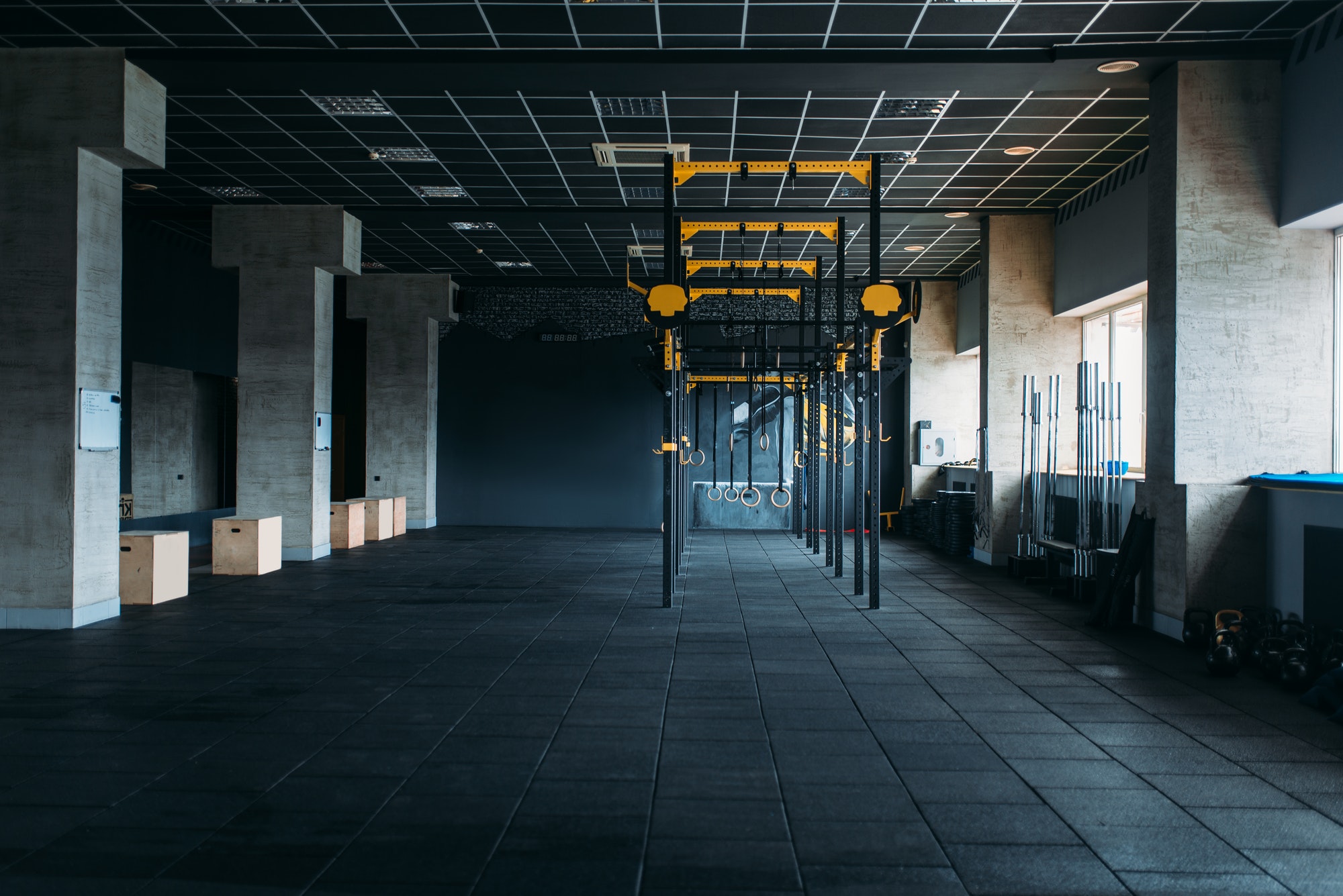
بالنسبة لمديري الصالة الرياضية وقادة العمليات والفنيين وفرق الصحة والسلامة، يبدأ الفحص الموثوق لمعدات الصالة الرياضية بخط أساس معروف لبرنامج فحص المنشأة عبر أصول القوة وتمارين القلب. الهدف التشغيلي هو فصل عمليات الفحص السريعة التي يواجهها المستخدم عن عمليات التفتيش الفنية المختصة. قم بإعطاء كل وحدة أو منطقة معرفًا، وسجل معلومات موقعها ونموذجها، واحتفظ بالتعليمات المعمول بها، ولاحظ نمط الاستخدام والبيئة.
يتيح خط الأساس للفريق التعرف على التغيير. وبدونها، يمكن أن يصبح فحص معدات الصالة الرياضية سلسلة من الملاحظات المعزولة التي ليس لها تاريخ. قارن الحالة الحالية بصور التثبيت وسجلات القبول وأوامر العمل السابقة. قائمة مراجعة صيانة معدات الصالة الرياضية يوفر إطارًا أوسع لتنظيم هذه السجلات.
فحوصات منفصلة للموظفين عن العمل الفني
تحديد من يمكنه إجراء كل جزء من فحص معدات الصالة الرياضية. يمكن لموظفي المنشأة المدربين عادةً مراقبة الحالة، وإجراء التعديلات العادية، وتنظيف الأسطح المعتمدة، والإبلاغ عن العيوب، وتطبيق عملية خارج الخدمة. يجب أن تنتقل المهام التي تتضمن حراسًا أو حاويات كهربائية أو إصلاحًا هيكليًا أو أجزاء حرجة للسلامة أو تعديلات غير مؤكدة إلى موظفين فنيين أكفاء.
ال إرشادات فحص معدات العمل في الصحة والسلامة والبيئة يؤكد على التخطيط والأساليب الآمنة والأشخاص الأكفاء لأعمال الصيانة. وحتى عندما لا يكون هذا المصدر قابلاً للتطبيق قانونًا، فإن تقسيم المسؤولية يكون عمليًا. اكتب الحدود في إجراءات فحص معدات الصالة الرياضية حتى لا تقرر السرعة أو الراحة من يتصرف.
تعيين فترات من المخاطر والخبرة
تدعم تذكيرات التقويم فحص معدات الصالة الرياضية، ولكن لا ينبغي أن تكون المحفز الوحيد. خذ بعين الاعتبار تعليمات الشركة المصنعة، وتكرار الاستخدام، وسلوك المستخدم، والبيئة، والمكونات الحيوية للسلامة، والنتائج السابقة، وعواقب الفشل. الوحدات عالية الاستخدام أو العيوب المتكررة تبرر الاهتمام الدقيق.
ال إرشادات صيانة الصحة والسلامة والبيئة يوضح أن تكرار الفحص يجب أن يعكس تقييم المخاطر وخبرة التشغيل. قم بمراجعة فترات فحص معدات الصالة الرياضية بعد حدوث خطأ كبير أو نقل أو تغيير في الاستخدام أو حدث غير عادي أو نمط خدمة متكرر. سجل سبب تغيير الفاصل الزمني.
فحص النقاط التي تؤثر على التشغيل الحقيقي
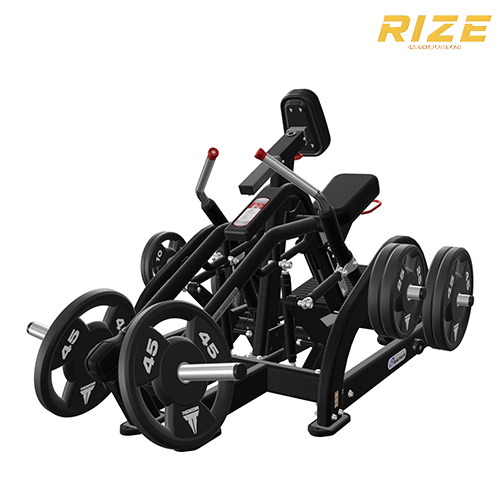
يتبع الفحص الفعال لمعدات الصالة الرياضية مسار الاستخدام الفعلي بدلاً من النظر فقط إلى الخارج. قم بنقل التعديلات العادية عبر نطاقها، ولاحظ الحركة الكاملة، واستمع إلى التغييرات، وتفقد الأرضية والوصلات المحيطة. بناء مجالات خاصة بالمعدات حول هذه الأولويات
- مخزون الأصول والمستندات النموذجية والموقع وملف تعريف الاستخدام.
- فحوصات بصرية يومية للحالة والاستقرار والتعديلات والأضرار الواضحة.
- فحوصات فنية مجدولة بناءً على المخاطر والاستخدام والبيئة والتعليمات.
- تصنيف العيوب مع معايير العزل الفوري.
- أدلة التفتيش والصور وأوامر العمل وسجلات الإغلاق.
- مراجعة الإدارة للأخطاء المتكررة والإجراءات المتأخرة.
تدعم قائمة المراجعة فحص معدات الصالة الرياضية فقط عندما تكون الملاحظات ذات معنى. امنح مساحة للموظفين لوصف الموقع والشدة والتغيير منذ آخر فحص. يمكن أن تدعم الصور السجل، لكنها لا تحل محل العزل أو التشخيص أو الإصلاح.
نظيفة دون إخفاء أو التسبب في ضرر
يعد التنظيف جزءًا من فحص معدات الصالة الرياضية لأنه يكشف نقاط الاتصال والأجزاء السائبة والسوائل والحطام والأضرار المادية المبكرة. استخدم المنتجات والأساليب المتوافقة مع المفروشات والمقابض والطلاءات والملصقات والمواد البلاستيكية وشاشات العرض والإلكترونيات. لا تقم أبدًا برش السائل مباشرة في الفتحات أو التجميعات المتحركة.
ال نظرة عامة على ISO 20957-1:2024 يوصي بالاهتمام المنتظم بالأسطح عالية اللمس والمنتجات المناسبة للسطح. يجب أن تتبع إجراءات المنشأة أيضًا المعدات والتعليمات الكيميائية. أثناء فحص معدات الصالة الرياضية، يحتاج موظفو التنظيف إلى طريق واضح للإبلاغ عن الأضرار بدلاً من مجرد العمل حولها.
عزل العيوب والتحكم في العودة إلى الخدمة
يحتاج فحص معدات الصالة الرياضية إلى معايير محددة مسبقًا لإيقاف الاستخدام. يمكن أن تشمل الأمثلة عدم الاستقرار، أو تلف الكابل أو الحزام، أو فشل جهاز القفل، أو الحركة غير المنضبطة، أو فقدان الواقي، أو الموصل الكهربائي المكشوف، أو وظيفة الطوارئ غير الفعالة، أو الأضرار الهيكلية، أو حالة لا يستطيع المدقق تقييمها بثقة.
استخدم علامة مرئية وامنع الوصول حيثما كان ذلك عمليًا. الاسم الذي يمكنه السماح بالعودة إلى الخدمة، ويتطلب دليلاً على الإصلاح واختبار الوظيفة. ال مجموعة معدات اللياقة البدنية التجارية يمكن أن يساعد الفرق على فهم عائلة المعدات، ولكن فقط تعليمات النموذج المعمول بها والتقييم المختص هي التي يجب أن تغلق الخطأ الفني.
تتبع أوامر العمل والأجزاء والأخطاء المتكررة
يربط سجل فحص معدات الصالة الرياضية المفيد الملاحظة بالإجراء. تضمين هوية الأصول والتاريخ والمدقق والعثور والأولوية وحالة العزل والشخص المعين والأجزاء والعمل المنجز والاختبارات والموافقة على العودة إلى الخدمة. لا تضع علامة على عنصر مكتمل لمجرد إرسال طلب الخدمة.
- نسخ قائمة مرجعية واحدة عبر أنواع المعدات المختلفة.
- وضع علامة في المربعات دون تحريك التعديلات أو مراقبة مسار السفر بالكامل.
- السماح للموظفين غير المؤهلين بفتح الحراس أو العبوات الكهربائية.
- إعادة الجهاز إلى الخدمة قبل تأكيد الإصلاح بشكل مستقل.
قم بمراجعة بيانات فحص معدات الصالة الرياضية بحثًا عن التآكل المتكرر للكابلات، وتلف المفروشات، والمثبتات السائبة، والأعطال الكهربائية، والتآكل، ومشاكل المحاذاة، والتدهور المرتبط بالتنظيف. يمكن أن تبرر الأنماط فترة زمنية أقصر، أو تدريب الموظفين، أو تغيير التخطيط، أو تحسين مخزون الأجزاء، أو مراجعة الاستبدال.
استخدم جدولًا يطابق الأصل
نادرًا ما يناسب جدول فحص معدات الصالة الرياضية كل جهاز. احتفظ بمجالات مشتركة للهوية والعيوب والإجراء والموافقة، ثم أضف نقاطًا خاصة بالمعدات. تساعد المصفوفة أدناه المديرين على تعيين العمل دون التظاهر بأن كل مهمة لها نفس متطلبات التكرار أو الكفاءة.
| منطقة المراجعة | الأدلة أو مدخلات التخطيط | سؤال القرار |
|---|---|---|
| فحص ما قبل الفتح | حالة مرئية، استقرار، ضوابط، تآكل واضح | موظفو المنشأة المدربون |
| التفتيش التفصيلي الروتيني | الكابلات والأحزمة والمثبتات والواقيات والمحاور والمثبتات | الشخص المختص الذي تحدده المنشأة |
| خدمة تقنية | التشخيص أو التعديل أو الاستبدال أو العمل الكهربائي أو القيادة | فني معتمد |
| قبول ما بعد الإصلاح | الوظيفة، الحراس، التوثيق، العودة الآمنة | اسمه الموافق |
اضبط جدول فحص معدات الصالة الرياضية عندما تتغير التعليمات أو الاستخدام أو البيئة أو الأدلة. إذا لم يتمكن الفريق من شرح سبب وجود المهمة أو ما الذي يشكل فشلًا، فإن القائمة المرجعية تحتاج إلى توضيح قبل إصدارها.
ملاحظات ميدانية لفحص معدات الصالة الرياضية
الملاحظات الميدانية التالية تحول فحص معدات الصالة الرياضية إلى تسلسل مراجعة لهذا الموضوع المحدد. إنها عملية بشكل متعمد: تحدد كل ملاحظة ما يجب التحقق منه، وما يجب تسجيله، وما هو القرار الذي يجب أن تدعمه الأدلة. قم بتكييف التسلسل مع تعليمات النموذج المعمول بها والموقع والولاية القضائية.
تحديد خط الأساس من خلال مراجعة مخزون الأصول والمستندات النموذجية والموقع وملف تعريف الاستخدام. قم بتسمية مصدر المعلومات والشخص الذي تحقق منها والمراجعة أو التاريخ. إذا كان الإدخال مؤقتًا، فأظهر الشرط الذي يجب استيفاؤه قبل الموافقة.
تأكيد الفحوصات المرئية اليومية للحالة والاستقرار والتعديلات والضرر الواضح. مراقبة الحالة الفعلية أو الحصول على أدلة خاصة بالنموذج بدلاً من الاعتماد على وصف العائلة. تسجيل أي حد يؤثر على المستخدمين أو التخطيط أو الخدمة أو القبول.
اختبر الاقتراح مقابل الفحوصات الفنية المجدولة بناءً على المخاطر والاستخدام والبيئة والتعليمات. اسأل موظفي العمليات عن كيفية عمل ذلك خلال فترة الانشغال واسأل الموظفين الفنيين عن كيفية فحصه. تحتاج الإجابة التي تعتمد على حل بديل غير رسمي إلى إجراء خاضع للرقابة.
إسناد مسؤولية تصنيف العيوب بمعايير العزل الفوري. يجب أن يذكر سجل المشروع من يقدم المعلومات ومن يراجعها ومن يقوم بالعمل ومن يؤكد الإنجاز. وهذا يمنع اختفاء المهام المهمة بين المورد والمثبت والمشغل.
الاحتفاظ بالأدلة لأدلة التفتيش والصور الفوتوغرافية وأوامر العمل وسجلات الإغلاق. قد تتضمن الأدلة المفيدة رسمًا أو قسمًا يدويًا أو صورة فوتوغرافية أو إدخال فحص أو توضيحًا للمورد أو عنصر قبول موقع. احتفظ به مع ملف الأصل أو المشروع حتى تتمكن الفرق اللاحقة من فهم القرار.
أغلق المراجعة بمراجعة الإدارة للأخطاء المتكررة والإجراءات المتأخرة. قارن النتيجة باحتياجات التشغيل الأصلية ولاحظ أي استثناء. إذا لم تتمكن المنشأة من الحفاظ على المتطلبات بعد الفتح، فقم بمراجعة الاختيار أو خطة التشغيل قبل التسليم.
وينطبق نفس الانضباط على العلامات التحذيرية. لا تقم فقط بإدراج الاهتمام؛ وصف نتيجتها المحتملة، والسيطرة الفورية، والأدلة اللازمة للإغلاق، والشخص المخول بالموافقة على النتيجة.
تعامل مع نسخ قائمة مرجعية واحدة عبر أنواع المعدات المختلفة باعتبارها فجوة في الأدلة. قم بإيقاف القرار المتأثر مؤقتًا، وحدد السجل المفقود، وأبق العنصر مفتوحًا حتى يمكن التحقق من عنصر التحكم المقترح.
عندما تجد مربعات موقوتة دون إجراء تعديلات متحركة أو مراقبة مسار السفر الكامل، قارن الاقتراح بالملخص المعتمد. قد تتطلب الاستجابة توضيحًا أو تغييرًا في التخطيط أو النطاق أو تقييمًا مختصًا أو رفض الخيار.
إذا كشفت المراجعة عن السماح للموظفين غير المؤهلين بفتح حراس أو حاويات كهربائية، قم بتوثيق من يتعرض للعواقب ومتى يمكن أن يحدث. يساعد هذا السياق الفريق على تحديد الأولوية دون المبالغة في المطالبة.
منع تكرار إعادة الجهاز إلى الخدمة قبل تأكيد الإصلاح بشكل مستقل عن طريق تحديث المواصفات أو قائمة المراجعة أو الرسم أو مذكرة التدريب أو نموذج القبول الذي سمح بمرور الفجوة دون أن يلاحظها أحد.
تسهل هذه الملاحظات تسليم فحص معدات الصالة الرياضية لأن الملف النهائي يشرح القرار وافتراضات التشغيل الكامنة وراءه. قم بمراجعة الملاحظات مرة أخرى بعد التثبيت، أو حدث خدمة كبير، أو النقل، أو تغيير في استخدام المنشأة.
استخدم المصادر الرسمية دون المبالغة فيها
تعمل المصادر الرسمية على تعزيز فحص معدات الصالة الرياضية عند تطبيقها بعناية. ال معايير حراسة آلات إدارة السلامة والصحة المهنية قد يشرح مبدأ السلامة أو إمكانية الوصول أو الكهرباء أو المنتج ذي الصلة، اعتمادًا على هذا الموضوع. لا تزال المنشأة بحاجة إلى تحديد اختصاصها وفئة المعدات وتعليمات النموذج والمستشارين المختصين.
لا تصف فحص معدات الصالة الرياضية على أنه شهادة ما لم تقم هيئة معتمدة بتقييم النطاق الدقيق. استشهد بمصادر النقطة المحددة التي يدعمونها، واحتفظ بالنسخة التي تمت مراجعتها، وتميز المتطلبات القانونية عن التوجيه الطوعي أو السياسة الداخلية.
مراجعة الأداء وتحسين البرنامج
يجب على المديرين مراجعة فحص معدات الصالة الرياضية في فترة زمنية محددة وبعد حدوث أخطاء خطيرة أو متكررة. ابحث عن الإجراءات المتأخرة، والمعدات المعزولة بشكل متكرر، والأجزاء التي يصعب تحديدها، والفحوصات التي لا تجد عيوبًا أبدًا، والمهام التي لا يستطيع الموظفون إكمالها كما هو مكتوب.
استخدم هذه المراجعة لتحسين التعليمات والتدريب وبيانات الأصول واتفاقيات الخدمة وأولويات الاستبدال. إذا لم تعد الوحدة تناسب مستخدمي المنشأة أو قدرة الدعم، فقارن البدائل المناسبة في دليل معدات تدريب القوة ومناقشة التوثيق النموذجي من خلال دليل الآلة المحملة باللوحة.
الأسئلة المتداولة
ما الذي يجب أن تتضمنه قائمة فحص معدات الصالة الرياضية؟
يجب أن تغطي قائمة فحص معدات الصالة الرياضية النطاق الدقيق والمستخدمين المقصودين وبيئة التشغيل والنموذج أو هوية الأصول وواجهات المنشأة واحتياجات الفحص والخدمة والمستندات والمسؤوليات وأدلة القبول والإجراءات المفتوحة.
من يجب أن يشارك في فحص معدات الصالة الرياضية؟
قم بتضمين المشتري أو المالك، وعمليات المنشأة، والمدربين أو ممثلي المستخدمين، والمستشارين الفنيين، والقائمين بالتركيب، وموظفي الخدمة حسب الاقتضاء. يعمل فحص معدات الصالة الرياضية بشكل أفضل عندما يقوم كل شخص بمراجعة القرارات التي سيتخذها لاحقًا.
ما هو الوقت المبكر الذي يجب أن يبدأ فيه فحص معدات الصالة الرياضية؟
ابدأ فحص معدات الصالة الرياضية قبل إصلاح النماذج أو المواضع. تسمح المراجعة المبكرة للفريق بتنسيق برنامج فحص المنشأة عبر أصول القوة وتمارين القلب مع الأرضية والمرافق والوصول وخطة الخدمة والمستندات والجدول الزمني للمشروع بينما لا تزال التغييرات قابلة للإدارة.
ما هي المستندات التي تدعم فحص معدات الصالة الرياضية؟
استخدم المواصفات والرسومات والأدلة ومعايير الفحص ومعلومات الأجزاء وشروط الضمان وتوضيحات المورد ورسومات الموقع وسجلات التثبيت ونماذج القبول الخاضعة للرقابة. إبقاء المراجعة وهوية النموذج مرئية.
ما هي النتيجة الرئيسية لفحص معدات الصالة الرياضية؟
والنتيجة الرئيسية هي قرار موثق يساعد الفريق على فصل عمليات الفحص السريعة التي تواجه المستخدم عن عمليات التفتيش الفنية المختصة. ويجب أن يوضح ما تمت الموافقة عليه، ولماذا هو مناسب، ومن المسؤول، وكيف سيتم التحقق من النتيجة.
الخطوة التالية
يؤدي الفحص الفعال لمعدات الصالة الرياضية إلى تحويل النية الواسعة إلى ملخص خاضع للرقابة وأدلة قابلة للمقارنة وسجل قبول. إبقاء المستخدم وبيئة التشغيل وواجهة المنشأة وخطة الصيانة والمنظمات المسؤولة مرئية منذ المراجعة الأولى وحتى التسليم.
إذا كنت تخطط لمنشأة جديدة أو برنامج بديل أو مشروع موزع، فشارك جدول المعدات الخاص بك ومخطط الأرضية والمستخدمين المستهدفين ومتطلبات الخدمة مع Rize Sport. يمكن للفريق مساعدتك في مقارنة التكوينات المناسبة وتوفير معلومات النموذج لمراجعة فحص معدات الصالة الرياضية الخاصة بك.