
Tabla de contenido
Respuesta rápida
Las decisiones de inspección de equipos de gimnasio requieren una evaluación estructurada del programa de inspección de instalaciones en función de la fuerza y los activos cardiovasculares en función de las necesidades del usuario, las condiciones operativas, las limitaciones de las instalaciones, la documentación, el servicio y los requisitos de aceptación. Para los gerentes de gimnasios, líderes de operaciones, técnicos y equipos de salud y seguridad, el objetivo inmediato es separar las comprobaciones rápidas orientadas al usuario de las inspecciones técnicas competentes. Comience con un escrito, compare la evidencia del modelo o proceso exacto y cierre todas las excepciones antes de la aprobación.
Esta guía trata la planificación de la inspección de equipos de gimnasio como una decisión comercial práctica más que como un ejercicio de marketing. No reemplaza las instrucciones modelo, el asesoramiento técnico calificado ni las leyes y estándares que se aplican en un lugar en particular. Proporciona a los equipos de proyecto un método repetible para hacer mejores preguntas y preservar registros útiles.
Crear una línea base de activos y riesgos
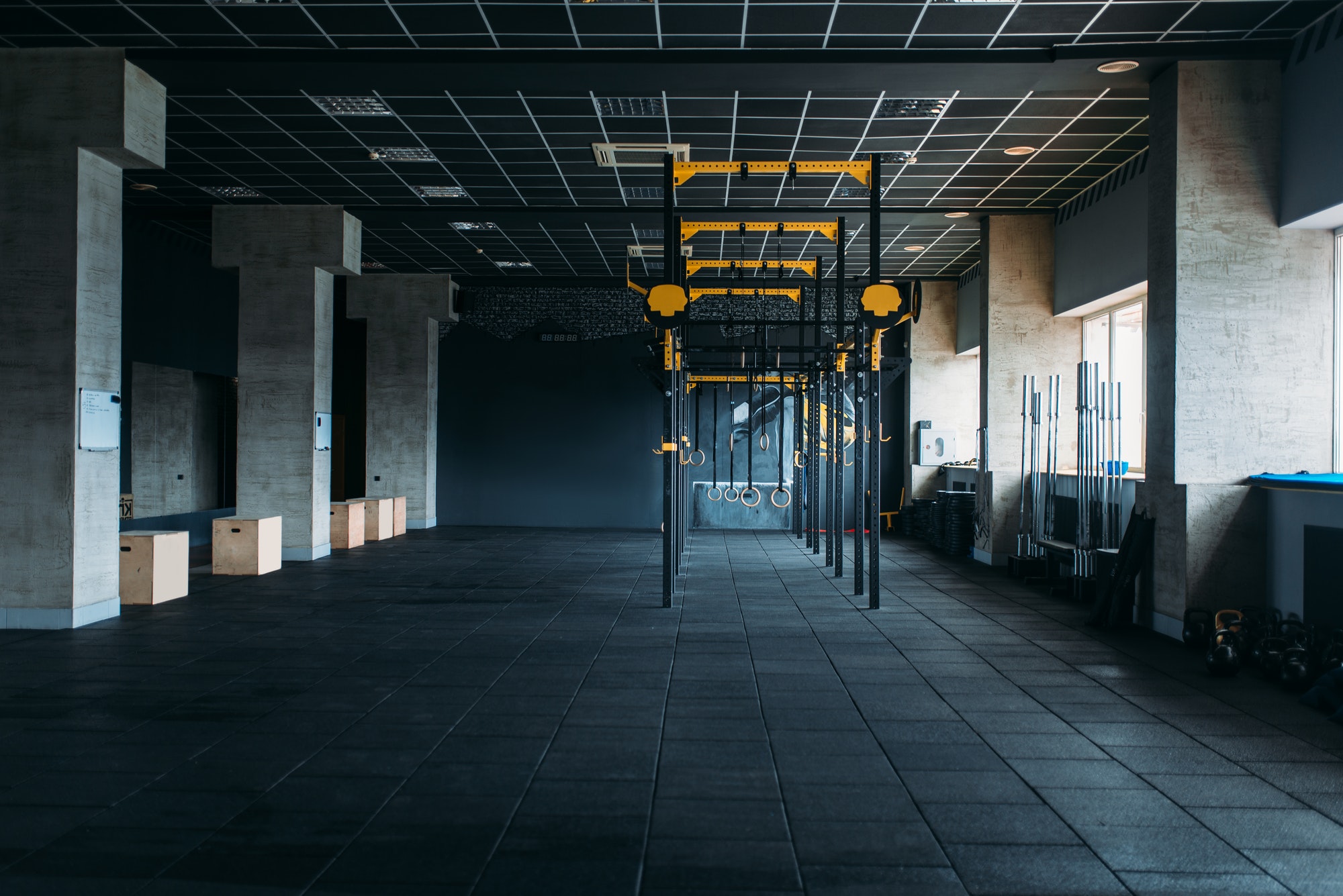
Para los gerentes de gimnasios, líderes de operaciones, técnicos y equipos de salud y seguridad, la inspección confiable de equipos de gimnasio comienza con una línea de base conocida para el programa de inspección de instalaciones en todos los activos de fuerza y cardio. El objetivo operativo es separar las comprobaciones rápidas orientadas al usuario de las inspecciones técnicas competentes. Proporcione a cada unidad o área un identificador, registre su ubicación e información del modelo, conserve las instrucciones aplicables y tenga en cuenta el patrón de uso y el entorno.
La línea de base permite al equipo reconocer el cambio. Sin él, la inspección de equipos de gimnasio puede convertirse en una serie de observaciones aisladas sin historial. Compare la condición actual con fotografías de instalación, registros de aceptación y órdenes de trabajo anteriores. El lista de verificación de mantenimiento de equipos de gimnasio proporciona un marco más amplio para organizar estos registros.
Separar los controles del personal del trabajo técnico
Defina quién puede realizar cada parte de la inspección del equipo del gimnasio. El personal capacitado de las instalaciones generalmente puede observar el estado, realizar ajustes normales, limpiar superficies aprobadas, informar defectos y aplicar un proceso fuera de servicio. Las tareas que involucran guardias, gabinetes eléctricos, reparación estructural, piezas críticas para la seguridad o ajustes inciertos deben trasladarse a personal técnico competente.
El Guía de inspección de equipos de trabajo HSE enfatiza la planificación, los métodos seguros y las personas competentes para los trabajos de mantenimiento. Incluso cuando esa fuente no sea legalmente aplicable, la división de responsabilidades es práctica. Escriba el límite en el procedimiento de inspección de equipos de gimnasio para que la velocidad o la conveniencia no decidan quién actúa.
Establezca intervalos entre riesgo y experiencia
Los recordatorios de calendario respaldan la inspección de equipos de gimnasio, pero no deben ser el único desencadenante. Considere las instrucciones del fabricante, la frecuencia de uso, el comportamiento del usuario, el entorno, los componentes críticos para la seguridad, los hallazgos previos y las consecuencias de la falla. Las unidades de alto uso o los defectos repetidos justifican una mayor atención.
El Guía de mantenimiento de HSE explica que la frecuencia de las inspecciones debe reflejar la evaluación de riesgos y la experiencia operativa. Revise los intervalos de inspección de equipos de gimnasio después de una falla significativa, reubicación, cambio de uso, evento inusual o patrón de servicio recurrente. Registre por qué cambió un intervalo.
Inspeccione los puntos que afectan el funcionamiento real
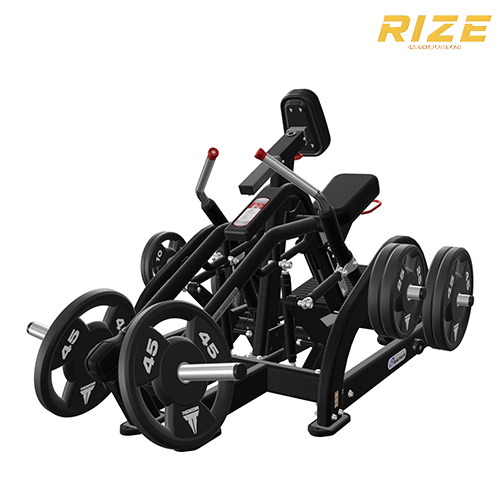
La inspección eficaz de los equipos de gimnasio sigue la ruta de uso real en lugar de mirar únicamente el exterior. Mueva los ajustes normales a través de su rango, observe el movimiento completo, escuche los cambios e inspeccione el piso circundante y las conexiones. Construya campos específicos de equipos en torno a estas prioridades:
- inventario de activos, documentos modelo, ubicación y perfil de uso.
- comprobaciones visuales diarias de condición, estabilidad, ajustes y daños evidentes.
- comprobaciones técnicas programadas en función del riesgo, uso, entorno e instrucciones.
- clasificación de defectos con criterios de aislamiento inmediato.
- pruebas de inspección, fotografías, órdenes de trabajo y registros de cierre.
- revisión de gestión de fallos repetidos y acciones vencidas.
Una lista de verificación admite la inspección de equipos de gimnasio sólo cuando las observaciones sean significativas. Dale al personal espacio para describir la ubicación, la gravedad y el cambio desde la última verificación. Las fotografías pueden respaldar un registro, pero no reemplazan el aislamiento, el diagnóstico o la reparación.
Limpiar sin ocultar ni causar daños
La limpieza es parte de la inspección de equipos de gimnasio porque expone puntos de contacto, piezas sueltas, fluidos, escombros y daños materiales tempranos. Utilice productos y métodos compatibles con tapizados, agarres, revestimientos, etiquetas, plásticos, pantallas y productos electrónicos. Nunca rocíe líquido directamente en aberturas o conjuntos móviles.
El Descripción general de ISO 20957-1:2024 recomienda prestar atención regular a las superficies de alto contacto y a los productos apropiados para la superficie. Los procedimientos de las instalaciones también deben seguir las instrucciones sobre equipos y productos químicos. Durante la inspección de equipos de gimnasio, el personal de limpieza necesita una ruta clara para informar daños en lugar de simplemente trabajar para evitarlos.
Aislar Defectos y Control Volver al Servicio
la inspección de equipos de gimnasio necesita criterios predeterminados de parada y uso. Los ejemplos pueden incluir inestabilidad, un cable o correa dañado, dispositivo de bloqueo fallido, movimiento incontrolado, protección faltante, conductor eléctrico expuesto, función de emergencia ineficaz, daño estructural o una condición que el verificador no puede evaluar con confianza.
Utilice una etiqueta visible e impida el acceso cuando sea práctico. Nombre que puede autorizar el regreso al servicio y requerir evidencia de reparación y pruebas de funcionamiento. El gama de equipos de fitness comerciales puede ayudar a los equipos a comprender la familia de equipos, pero sólo las instrucciones del modelo aplicables y la evaluación competente deberían cerrar una falla técnica.

Realice un seguimiento de las órdenes de trabajo, las piezas y repita los fallos
Un registro útil de inspección de equipos de gimnasio conecta la observación con la acción. Incluya identidad del activo, fecha, verificador, hallazgo, prioridad, estado de aislamiento, persona asignada, piezas, trabajo completado, pruebas y aprobación de regreso al servicio. No marque un artículo completo simplemente porque se envió una solicitud de servicio.
- copiar una lista de verificación entre tipos de equipos diferentes.
- marcar casillas sin realizar ajustes de movimiento ni observar el recorrido completo.
- permitir que personal no calificado abra guardias o recintos eléctricos.
- la devolución de una máquina al servicio antes de la reparación se confirma de forma independiente.
Revise los datos de inspección de equipos de gimnasio para detectar desgaste recurrente de cables, daños en la tapicería, sujetadores sueltos, fallas eléctricas, corrosión, problemas de alineación y deterioro relacionado con la limpieza. Los patrones pueden justificar un intervalo más corto, capacitación del personal, un cambio de diseño, un mejor stock de piezas o una revisión de reemplazo.
Utilice un cronograma que coincida con el activo
Un programa de inspección de equipos de gimnasio rara vez se adapta a todas las máquinas. Mantenga campos comunes para identidad, defecto, acción y aprobación, luego agregue puntos específicos del equipo. La siguiente matriz ayuda a los gerentes a asignar trabajo sin pretender que cada tarea tiene la misma frecuencia o requisito de competencia.
| Área de revisión | Aportes de evidencia o planificación | Cuestión de decisión |
|---|---|---|
| Cheque previo a la apertura | Estado visible, estabilidad, controles, desgaste evidente | Personal capacitado de las instalaciones |
| Inspección detallada de rutina | Cables, cinturones, sujetadores, protectores, pivotes, anclajes | Persona competente definida por la instalación |
| Servicio técnico | Trabajos de diagnóstico, ajuste, sustitución, eléctricos o de accionamiento | Técnico autorizado |
| Aceptación post-reparación | Función, guardias, documentación, devolución segura | Aprobador nombrado |
Ajuste el cronograma de inspección del equipo del gimnasio cuando cambien las instrucciones, el uso, el entorno o la evidencia. Si el equipo no puede explicar por qué existe una tarea o qué constituye una falla, la lista de verificación necesita una aclaración antes de emitirla.
Notas de campo para la inspección de equipos de gimnasio
Las siguientes notas de campo convierten la inspección de equipos de gimnasio en una secuencia de revisión para este tema específico. Son deliberadamente prácticos: cada nota identifica qué verificar, qué registrar y qué decisión debe respaldar la evidencia. Adapte la secuencia a las instrucciones del modelo, sitio y jurisdicción aplicables.
Establezca la línea de base revisando el inventario de activos, los documentos modelo, la ubicación y el perfil de uso. Nombra la fuente de la información, la persona que la verificó y la revisión o fecha. Si el ingreso es provisional, muestre la condición que debe cumplirse antes de la aprobación.
Confirme controles visuales diarios de condición, estabilidad, ajustes y daños evidentes. Observe la condición real u obtenga evidencia específica del modelo en lugar de depender de una descripción familiar. Registre cualquier límite que afecte a los usuarios, el diseño, el servicio o la aceptación.
Pruebe la propuesta con controles técnicos programados basados en el riesgo, el uso, el entorno y las instrucciones. Pregunte al personal de operaciones cómo funcionará esto durante un período de mayor actividad y pregunte al personal técnico cómo será inspeccionado. Una respuesta que depende de una solución alternativa informal necesita una acción controlada.
Asignar responsabilidad por la clasificación de defectos con criterios de aislamiento inmediato. El registro del proyecto debe indicar quién proporciona la información, quién la revisa, quién realiza el trabajo y quién confirma la finalización. Esto evita que desaparezcan tareas importantes entre proveedor, instalador y operador.
Preservar evidencia para evidencia de inspección, fotografías, órdenes de trabajo y registros de cierre. La evidencia útil puede incluir un dibujo, una sección manual, una fotografía, una entrada de inspección, una aclaración del proveedor o un artículo de aceptación firmado. Guárdelo junto con el archivo de activo o proyecto para que los equipos posteriores puedan comprender la decisión.
Cierre la revisión con revisión de la administración de fallas repetidas y acciones atrasadas. Compare el resultado con la necesidad operativa original y observe cualquier excepción. Si la instalación no puede mantener el requisito después de la apertura, revise la elección o el plan operativo antes de la entrega.
La misma disciplina se aplica a las señales de advertencia. No se limite a enumerar una preocupación; describir su probable consecuencia, el control inmediato, las pruebas necesarias para el cierre y la persona autorizada para aprobar el resultado.
Trate la copia de una lista de verificación en tipos de equipos diferentes como un vacío de evidencia. Pause la decisión afectada, identifique el registro faltante y mantenga el elemento abierto hasta que se pueda verificar el control propuesto.
Cuando encuentre casillas sin ajustes de movimiento ni observar la ruta de viaje completa, compare la propuesta con el informe aprobado. La respuesta puede requerir aclaración, un cambio de diseño o alcance, una evaluación competente o el rechazo de la opción.
Si la revisión revela permitir que personal no calificado abra guardias o recintos eléctricos, documente quién está expuesto a las consecuencias y cuándo podría ocurrir. Ese contexto ayuda al equipo a asignar prioridad sin exagerar el reclamo.
Evite que se repita la devolución de una máquina al servicio antes de que la reparación se confirme de forma independiente actualizando la especificación, la lista de verificación, el dibujo, la nota de capacitación o el formulario de aceptación que permitió que el espacio pasara desapercibido.
Estas notas facilitan la entrega de la inspección de equipos de gimnasio porque el archivo final explica tanto la decisión como los supuestos operativos detrás de ella. Revise las notas nuevamente después de la instalación, un evento de servicio importante, la reubicación o un cambio en el uso de las instalaciones.
Utilice fuentes oficiales sin exagerarlas
Fuentes oficiales refuerzan la inspección de los equipos de gimnasio cuando se aplican con cuidado. El Normas de protección de máquinas OSHA puede explicar un principio relevante de seguridad, accesibilidad, electricidad o producto, según este tema. La instalación aún necesita identificar su jurisdicción, clase de equipo, instrucciones del modelo y asesores competentes.
No describa la inspección de equipos de gimnasio como certificación a menos que un organismo autorizado haya evaluado el alcance exacto. Citar fuentes para el punto específico que respaldan, conservar la versión revisada y distinguir los requisitos legales de la orientación voluntaria o la política interna.
Revisar el desempeño y mejorar el programa
Los gerentes deben revisar la inspección de los equipos del gimnasio en un intervalo definido y después de fallas graves o repetidas. Busque acciones atrasadas, equipos aislados repetidamente, piezas difíciles de identificar, comprobaciones que nunca encuentran defectos y tareas que el personal no puede completar tal como están escritas.
Utilice esa revisión para mejorar las instrucciones, la capacitación, los datos de activos, los acuerdos de servicio y las prioridades de reemplazo. Si una unidad ya no se ajusta a los usuarios de la instalación o a la capacidad de soporte, compare las alternativas adecuadas en guía de equipos de entrenamiento de fuerza y analice la documentación del modelo a través de guía de máquina con placa.
Preguntas frecuentes
¿Qué debe incluir una lista de verificación de inspección de equipos de gimnasio?
Una lista de verificación de inspección de equipos de gimnasio debe cubrir el alcance exacto, los usuarios previstos, el entorno operativo, el modelo o identidad de activos, las interfaces de las instalaciones, las necesidades de inspección y servicio, los documentos, las responsabilidades, la evidencia de aceptación y las acciones abiertas.
¿Quién debería participar en la inspección de equipos de gimnasio?
Incluya al comprador o propietario, las operaciones de las instalaciones, los capacitadores o representantes de los usuarios, los asesores técnicos, los instaladores y el personal de servicio, según corresponda. La inspección de equipos de gimnasio funciona mejor cuando cada persona revisa las decisiones que luego tomará.
¿Qué tan temprano debe comenzar la inspección del equipo del gimnasio?
Comience la inspección de equipos de gimnasio antes de que se fijen los modelos o posiciones. La revisión temprana permite al equipo coordinar el programa de inspección de instalaciones en todos los activos de fuerza y cardio con el piso, los servicios públicos, el acceso, el plan de servicio, los documentos y el cronograma del proyecto mientras los cambios aún sean manejables.
¿Qué documentos respaldan la inspección de equipos de gimnasio?
Utilice especificaciones controladas, dibujos, manuales, criterios de inspección, información de piezas, términos de garantía, aclaraciones de proveedores, dibujos del sitio, registros de instalación y formularios de aceptación. Mantenga visible la revisión y la identidad del modelo.
¿Cuál es el principal resultado de la inspección de equipos de gimnasio?
El resultado principal es una decisión documentada que ayuda al equipo a separar las comprobaciones rápidas orientadas al usuario de las inspecciones técnicas competentes. Debe mostrar qué se aprobó, por qué es adecuado, quién es el responsable y cómo se comprobará el resultado.
Siguiente paso
La inspección eficaz de los equipos de gimnasio convierte una intención amplia en un informe controlado, evidencia comparable y un registro de aceptación. Mantenga visibles al usuario, el entorno operativo, la interfaz de las instalaciones, el plan de mantenimiento y las organizaciones responsables desde la primera revisión hasta la entrega.
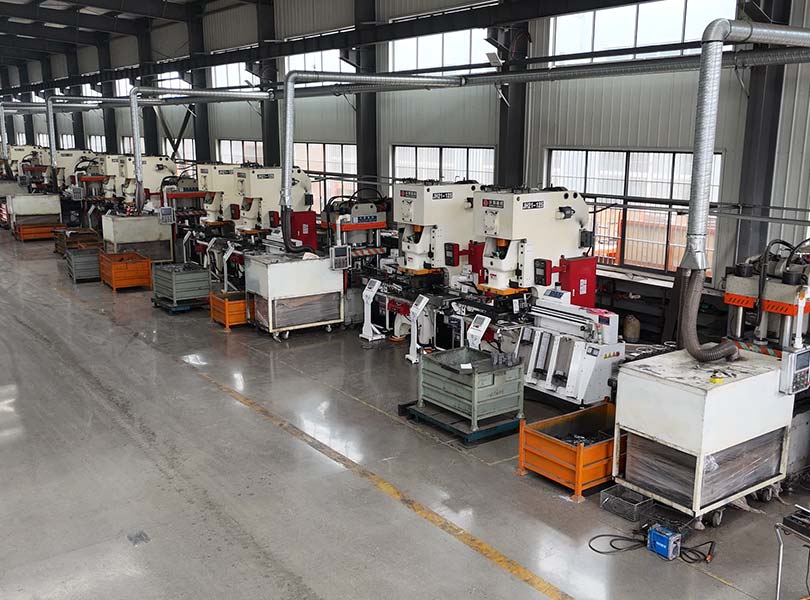
Si está planeando una nueva instalación, un programa de reemplazo o un proyecto de distribuidor, comparta el cronograma de su equipo, el plano de planta, los usuarios objetivo y los requisitos de servicio con Rize Sport. El equipo puede ayudarle a comparar las configuraciones apropiadas y proporcionarle información del modelo para la revisión de la inspección de equipos de su gimnasio.