Índice
Resposta Rápida
As decisões de manutenção de máquinas a cabo exigem uma avaliação estruturada de estações de cabo seletorizadas e máquinas de treinamento funcional em relação às necessidades do usuário, condições operacionais, restrições de instalações, documentação, serviço e requisitos de aceitação Para gerentes de instalações, coordenadores de serviço e equipe de ginástica treinada, o objetivo imediato é encontrar desgaste precoce sem exceder a competência da equipe ou as instruções do fabricante Comece com um resumo escrito, compare evidências para o modelo ou processo exato e feche todas as exceções antes da aprovação.
Este guia trata o planejamento de manutenção de máquinas a cabo como uma decisão comercial prática, em vez de um exercício de marketing Ele não substitui as instruções do modelo, aconselhamento técnico qualificado ou as leis e padrões que se aplicam em um determinado local Ele dá às equipes de projeto um método repetível para fazer melhores perguntas e preservar registros práticos.

Crie uma linha de base de ativos e riscos
Para gerentes de instalações, coordenadores de serviço e equipe de ginástica treinada, a manutenção confiável da máquina de cabos começa com uma linha de base conhecida para estações de cabo seletoras e máquinas de treinamento funcional O objetivo operacional é encontrar o desgaste precoce sem exceder a competência da equipe ou as instruções do fabricante. Dê a cada unidade ou área um identificador, documente sua localização e informações do modelo, retenha as instruções aplicáveis e observe o padrão de uso e o ambiente.
A linha de base permite que as partes interessadas do projeto reconheçam a mudança Sem ela, a manutenção da máquina de cabos pode se tornar uma série de observações isoladas sem histórico Compare a condição atual com fotografias de instalação, registros de aceitação e ordens de serviço anteriores guia treinador funcional fornece uma estrutura mais ampla para organizar esses registros.
Verificações separadas da equipe do trabalho técnico
Defina quem pode executar cada parte da manutenção da máquina de cabos A equipe treinada da instalação geralmente pode observar a condição, operar ajustes normais, limpar superfícies aprovadas, relatar defeitos e aplicar um processo fora de serviço Tarefas envolvendo proteções, gabinetes elétricos, reparo estrutural, peças críticas de segurança ou ajustes incertos precisam ser transferidos para pessoal técnico competente.
O Orientação de inspeção de equipamentos de trabalho HSE enfatiza o planejamento, métodos seguros e pessoas competentes para o trabalho de manutenção Mesmo quando essa fonte não é legalmente aplicável, a divisão de responsabilidade é prática Escreva o limite no procedimento de manutenção da máquina de cabos para que a velocidade ou conveniência não decida quem age.
Defina intervalos de risco e experiência
Os lembretes de calendário suportam a manutenção da máquina de cabos, mas eles precisam não ser o único gatilho Considere as instruções do fabricante, a frequência de uso, o comportamento do usuário, o ambiente, os componentes críticos para a segurança, as descobertas anteriores e as consequências de falhas de alta utilização ou defeitos repetidos justificam uma atenção mais próxima.
O Orientação de manutenção de SMS explica que a frequência de inspeção precisa refletir a avaliação de risco e a experiência operacional Avalie os intervalos de manutenção da máquina a cabo após uma falha significativa, realocação, mudança de uso, evento incomum ou padrão de serviço recorrente.Documente por que um intervalo mudou.
Inspecione os pontos que afetam a operação real
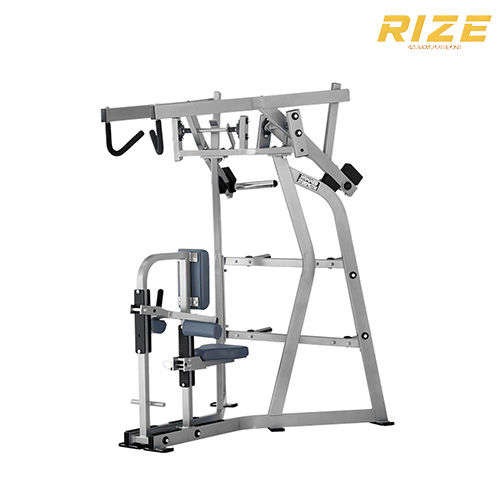
A manutenção eficaz da máquina de cabos segue o caminho de uso real, em vez de olhar apenas para o exterior Mova os ajustes normais através de seu alcance, observe o movimento completo, ouça as mudanças e inspecione o piso circundante e as conexões Construa campos específicos do equipamento em torno dessas prioridades:
- comprimento visível do cabo, acessórios finais, revestimento, roteamento e pontos de terminação.
- alinhamento, rotação, condição da borda, proteções e fixadores da polia.
- hastes guia, deslocamento da pilha de peso, engate do pino seletor e placa superior.
- ajustes de transporte, assento, alça e alcance durante todo o percurso.
- anexos, clipes, armazenamento, garras e pontos de conexão.
- etiquetas, capas, estabilidade do piso, limpeza e registros de serviço.
Uma lista de verificação suporta a manutenção da máquina de cabo somente quando as observações são significativas Dê espaço à equipe para descrever a localização, gravidade e mudança desde a última verificação As fotografias podem suportar um documento, mas não substituem o isolamento, diagnóstico ou reparo.
Limpar sem esconder ou causar danos
A limpeza faz parte da manutenção da máquina de cabos porque expõe pontos de contato, peças soltas, fluidos, detritos e danos iniciais ao material Use produtos e métodos compatíveis com estofados, punhos, revestimentos, etiquetas, plásticos, displays e eletrônicos Nunca pulverize líquido diretamente em aberturas ou conjuntos móveis.
O Visão geral da ISO 20957-1:2024 recomenda atenção regular a superfícies de alto toque e produtos apropriados para a superfície Os procedimentos da instalação também precisam seguir as instruções de equipamentos e produtos químicos Durante a manutenção da máquina de cabos, a equipe de limpeza precisa de uma rota clara para relatar danos, em vez de simplesmente trabalhar em torno deles.
Isolar defeitos e controlar o retorno ao serviço
a manutenção da máquina de cabos precisa de critérios de uso de parada predeterminados Exemplos podem incluir instabilidade, um cabo ou correia danificado, dispositivo de travamento com falha, movimento descontrolado, proteção ausente, condutor elétrico exposto, função de emergência ineficaz, dano estrutural ou uma condição que o verificador não pode avaliar com segurança.
Use uma etiqueta visível e impeça o acesso onde for prático Nome que pode autorizar o retorno ao serviço, e exigir evidência de reparo e testes de função O lista de verificação de manutenção de equipamentos de ginástica pode ajudar as equipes a entender a família de equipamentos, mas apenas as instruções do modelo aplicável e a avaliação competente precisam fechar uma falha técnica.

Rastreie ordens de serviço, peças e repita falhas
Um documento prático de manutenção de máquinas a cabo conecta a observação à ação Inclua identidade do ativo, data, verificador, localização, prioridade, status de isolamento, pessoa designada, peças, trabalho concluído, testes e aprovação de retorno ao serviço Não marque um item completo apenas porque uma solicitação de serviço foi enviada.
- usando um cabo danificado até que os fios individuais estejam visivelmente quebrados.
- aplicar um lubrificante não aprovado que atraia detritos ou afete materiais.
- substituição de cabos por aparência ou comprimento sem identificação do modelo.
- removendo um guarda para fazer verificações diárias mais rápido.
Avalie os dados de manutenção da máquina de cabos para desgaste recorrente de cabos, danos no estofamento, fixadores soltos, falhas elétricas, corrosão, problemas de alinhamento e deterioração relacionada à limpeza Os padrões podem justificar um intervalo mais curto, treinamento da equipe, uma mudança de layout, estoque de peças aprimorado ou uma avaliação de substituição.
Use um cronograma que corresponda ao ativo
Um cronograma de manutenção de máquina de cabo raramente se adequa a todas as máquinas Mantenha campos comuns para identidade, defeito, ação e aprovação e, em seguida, adicione pontos específicos do equipamento A matriz abaixo ajuda os gerentes a atribuir trabalho sem fingir que todas as tarefas têm a mesma frequência ou requisito de competência.
| Avaliar área | Evidências ou informações de planejamento | Questão de decisão |
|---|---|---|
| Diariamente | Caminho visível do cabo, pino seletor, acessórios, curso liso | Isole danos óbvios ou movimentos descontrolados |
| Semanal | Alinhamento da polia, pontos de ajuste, fixadores, área guia | Documentar alterações no ruído, rastreamento ou resistência |
| Serviço programado | Roteamento completo, terminações, limites de desgaste, acesso interno | Siga o manual do modelo e o escopo da pessoa competente |
| Após reparação | Peças corretas, guardas, função completa, documentação | Aprovar o retorno ao serviço |
Ajuste o cronograma de manutenção da máquina de cabos quando as instruções, uso, ambiente ou evidências mudarem Se as partes interessadas do projeto não puderem explicar por que uma tarefa existe ou o que constitui uma falha, a lista de verificação precisa de esclarecimentos antes de ser emitida.
Notas de campo para manutenção de máquinas de cabos
As notas de campo a seguir transformam a manutenção da máquina de cabos em uma sequência de avaliação para esse tópico específico Eles são deliberadamente práticos: cada nota identifica o que verificar, o que documentar e qual decisão a evidência precisa apoiar Adapte a sequência às instruções do modelo, site e jurisdição aplicáveis.
Estabeleça a linha de base revisando o comprimento visível do cabo, os acessórios finais, o revestimento, o roteamento e os pontos de terminação Nomeie a fonte da informação, a pessoa que a verificou e a revisão ou data Se a entrada for provisória, mostre a condição que deve ser satisfeita antes da aprovação.
Confirme o alinhamento, a rotação, a condição das bordas, as proteções e os fixadores da polia Observe a condição real ou obtenha evidências específicas do modelo em vez de confiar na descrição de uma família Documente qualquer limite que afete os usuários, o layout, o serviço ou a aceitação.
Teste a proposta contra hastes guia, deslocamento da pilha de peso, engate do pino seletor e placa superior Confirme a equipe de operações como isso funcionará durante um período movimentado e confirme a equipe técnica como será inspecionado Uma resposta que depende de uma solução alternativa informal precisa de uma ação controlada.
Atribua a responsabilidade pelos ajustes de transporte, assento, alça e alcance durante toda a viagem O documento do projeto precisa indicar quem fornece as informações, quem as analisa, quem executa o trabalho e quem confirma a conclusão. Isso evita que tarefas materiais desapareçam entre fornecedor, instalador e operador.
Preservar evidências para anexos, clipes, armazenamento, apertos e pontos de conexão Evidências úteis podem incluir um desenho, seção manual, fotografia, entrada de inspeção, esclarecimento do fornecedor ou item de aceitação assinado Mantenha-o com o ativo ou arquivo do projeto para que as equipes posteriores possam entender a decisão.
Feche a avaliação com etiquetas, tampas, estabilidade do piso, limpeza e registros de serviço Compare o resultado com a necessidade operacional original e observe qualquer exceção Se a instalação não puder manter o requisito após a abertura, revise a escolha ou o plano operacional antes da transferência.
A mesma disciplina se aplica aos sinais de alerta Não apenas liste uma preocupação; descreva sua provável consequência, o controle imediato, as evidências necessárias para o fechamento e a pessoa autorizada a aprovar o resultado.
Trate usando um cabo danificado até que os fios individuais estejam visivelmente quebrados como uma lacuna de evidência Pause a decisão afetada, identifique o documento ausente e mantenha o item aberto até que o controle proposto possa ser verificado.
Quando você encontrar a aplicação de um lubrificante não aprovado que atrai detritos ou afeta materiais, compare a proposta com o resumo aprovado A resposta pode exigir esclarecimentos, uma mudança de layout ou escopo, avaliação competente ou rejeição da opção.
Se a avaliação revelar a substituição dos cabos por aparência ou comprimento sem identificação do modelo, documente quem está exposto à consequência e quando ela poderá ocorrer Esse contexto ajuda as partes interessadas do projeto a atribuir prioridade sem exagerar a afirmação.
Evite a recorrência da remoção de um protetor para tornar as verificações diárias mais rápidas, atualizando a especificação, lista de verificação, desenho, nota de treinamento ou formulário de aceitação que permitiu que a lacuna passasse despercebida.
Essas notas facilitam a entrega da manutenção da máquina de cabos porque o arquivo final explica tanto a decisão quanto as suposições operacionais por trás dela Avalie as notas novamente após a instalação, um grande evento de serviço, realocação ou uma mudança no uso da instalação.
Use fontes oficiais sem exagerar
Fontes oficiais fortalecem a manutenção da máquina de cabos quando são aplicadas cuidadosamente. O padrões de proteção de máquinas OSHA pode explicar um princípio relevante de segurança, acessibilidade, eletricidade ou produto, dependendo deste tópico A instalação ainda precisa identificar sua jurisdição, classe de equipamento, instruções de modelo e consultores competentes.
Não descreva a manutenção de máquinas de cabo como certificação, a menos que um organismo autorizado tenha avaliado o âmbito exato Cite fontes para o ponto específico que elas suportam, retenha a versão revisada e distinga os requisitos legais da orientação voluntária ou da política interna.
Avaliar o Desempenho e Melhorar o Programa
Os gerentes precisam avaliar a manutenção da máquina de cabos em um intervalo definido e após falhas graves ou repetidas Procure ações atrasadas, equipamentos repetidamente isolados, peças difíceis de identificar, verificações que nunca encontram defeitos e tarefas que a equipe não pode concluir conforme escrito.
Use essa avaliação para melhorar as instruções, o treinamento, os dados de ativos, os contratos de serviço e as prioridades de substituição Se uma unidade não se encaixa mais nos usuários ou na capacidade de suporte da instalação, compare alternativas adequadas no guia de equipamento de treino de força e discuta a documentação do modelo por meio de gama de equipamentos de fitness comercial.
Perguntas frequentes
O que precisa incluir uma lista de verificação de manutenção de máquinas de cabos?
Uma lista de verificação de manutenção de máquinas a cabo precisa cobrir o escopo exato, usuários pretendidos, ambiente operacional, modelo ou identidade de ativos, interfaces de instalações, necessidades de inspeção e serviço, documentos, responsabilidades, evidências de aceitação e ações abertas.
Quem precisa estar envolvido na manutenção da máquina de cabos?
Inclua o comprador ou proprietário, as operações da instalação, os treinadores ou representantes dos usuários, os consultores técnicos, os instaladores e o pessoal de serviço, conforme relevante. a manutenção da máquina a cabo funciona melhor quando cada pessoa analisa as decisões que possuirá posteriormente.
Quão cedo as necessidades para a manutenção da máquina de cabo começam?
Comece a manutenção da máquina de cabo antes que os modelos ou posições sejam corrigidos A avaliação antecipada permite que as partes interessadas do projeto coordenem estações de cabo selecionadas e máquinas de treinamento funcional com o piso, utilitários, acesso, plano de serviço, documentos e cronograma do projeto, enquanto as alterações ainda são gerenciáveis.
Quais documentos suportam a manutenção da máquina de cabo?
Use especificações controladas, desenhos, manuais, critérios de inspeção, informações sobre peças, termos de garantia, esclarecimentos de fornecedores, desenhos do local, registros de instalação e formulários de aceitação Mantenha a revisão e a identidade do modelo visíveis.
Qual é o principal resultado da manutenção da máquina de cabos?
O principal resultado é uma decisão documentada que ajuda as partes interessadas do projeto a encontrar desgaste precocemente, sem exceder a competência da equipe ou as instruções do fabricante. Precisa mostrar o que foi aprovado, por que é adequado, quem é o responsável e como o resultado será verificado.
Próximo Passo
A manutenção eficaz da máquina de cabos transforma uma intenção ampla em um resumo controlado, evidência comparável e um documento de aceitação Mantenha o usuário, o ambiente operacional, a interface da instalação, o plano de manutenção e as organizações responsáveis visíveis desde a primeira avaliação até a transferência.
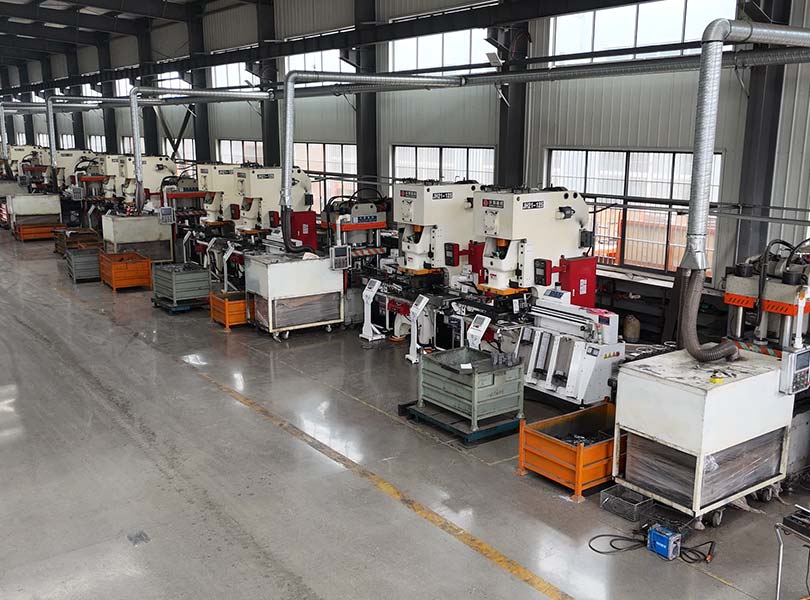
Se você estiver planejando uma nova instalação, programa de substituição ou projeto de distribuidor, compartilhe sua programação de equipamentos, planta baixa, usuários-alvo e requisitos de serviço com a Rize Sport As partes interessadas do projeto podem ajudá-lo a comparar configurações apropriadas e fornecer informações de modelo para sua avaliação de manutenção de máquinas a cabo.