Índice
Introdução
Modern fitness facilities are changing. Members no longer expect gyms to provide only basic machines for isolated exercises. They want more flexible training options that support strength development, functional movement, personal training, athletic conditioning, and customized workouts.
This is why the functional trainer has become an increasingly important piece of equipment in commercial gyms, fitness centers, training studios, hotels, and wellness facilities.
Unlike traditional strength machines that focus on one specific movement, a functional trainer allows users to perform a wide range of exercises through adjustable cable systems. It combines flexibility, space efficiency, and training variety, making it a valuable solution for facilities that want to create a more complete strength training environment.
For gym owners and fitness project planners, choosing the right functional trainer is not simply about adding another machine. It is about improving user experience, optimizing floor space, and creating a training zone that supports different types of members.
RIZE provides commercial fitness equipment solutions, including functional trainer equipment designed for professional training environments.
Why Functional Trainers Are Becoming Popular in Commercial Gyms
The fitness industry has moved toward more flexible training concepts. Many users now combine resistance training, mobility exercises, athletic movements, and personalized workouts in the same session.
A functional trainer fits this trend because it supports multiple movement patterns instead of limiting users to one fixed exercise.
Traditional machines such as chest press or leg extension machines are valuable because they provide guided resistance. However, functional trainers create more possibilities by allowing:
- Pressing movements
- Pulling exercises
- Cable fly movements
- Treinamento básico
- Rotation exercises
- Single-arm training
- Lower-body cable exercises
- Sports-specific movements
De acordo com o Organização Mundial Saúde, muscle-strengthening activities are an important part of maintaining overall health. This growing awareness has encouraged more people to include resistance training in their regular fitness routines.
For commercial gyms, this means equipment that supports different training styles can improve member satisfaction and help create a more attractive facility.
What Is a Functional Trainer Machine and How Does It Work?
A functional trainer is a strength training machine that uses adjustable cable pulley systems to provide resistance from different angles.
Unlike fixed-path machines, a functional trainer allows users to adjust cable positions and perform exercises based on their individual training goals.
Most commercial functional trainers include:
- Dual adjustable pulley systems
- Adjustable cable heights
- Weight stacks on both sides
- Multiple attachment points
- Handles and accessories
- Stable frame structures
- Exercise adjustment options
The main advantage is freedom of movement.
For example, a user can perform:
- Cable chest presses
- Standing rows
- Triceps pushdowns
- Biceps curls
- Cable squats
- Woodchoppers
- Face pulls
- Single-arm movements
A single functional trainer can replace several individual stations, which makes it especially valuable for gyms with limited space.
You can explore RIZE’s máquinas de cabos e treinadores funcionais for commercial strength training applications.
Key Benefits of Functional Trainers for Fitness Facilities
Supporting Multiple Exercise Movements
One of the biggest advantages of a functional trainer is exercise variety.
A traditional machine usually has one main purpose. A functional trainer can support dozens of exercises using different cable positions, handles, and body positions.
This makes it useful for:
- Beginner fitness programs
- Strength training routines
- Sessões de treinamento pessoal
- Athletic conditioning
- Rehabilitation-style movements
- Full-body workouts
For personal trainers, this flexibility is especially valuable because one machine can support different clients with different goals.
Improving Space Efficiency
Commercial gym space is expensive. Every square meter needs to provide value.
A functional trainer helps maximize floor efficiency because one machine can support many exercises without requiring separate equipment for every movement.
For smaller gyms, boutique studios, hotel fitness rooms, and corporate wellness spaces, this can be a major advantage.
Instead of installing many single-purpose machines, a facility can create a flexible training area with fewer but more versatile stations.
Serving Different User Levels
Another advantage is that functional trainers work for different experience levels.
Beginners can use simple cable movements with lighter resistance. Advanced users can perform complex movements involving strength, coordination, and stability.
This makes functional trainers suitable for mixed-user environments where beginners and experienced members train together.
Functional Trainer vs Cable Crossover: Understanding the Difference
Functional trainers and cable crossovers are often compared because both use cable resistance systems. However, they serve slightly different purposes.
A cable crossover usually focuses on two opposing cable columns that allow users to perform exercises such as cable fly movements and crossover exercises.
A functional trainer usually provides more adjustable cable positions, allowing a wider range of movement patterns.
| Recurso | Functional Trainer | Cable Crossover |
|---|---|---|
| Main purpose | Multi-purpose strength training | Cable-based upper body exercises |
| Adjustment options | More flexible cable positioning | Usually fixed crossover movement |
| Exercise variety | Very high | Mainly crossover and cable exercises |
| Space efficiency | Suitable for various facilities | Usually requires more open space |
| Personal training use | Excelente | Good |
| Commercial gym application | Very broad | More specialized |
For many modern gyms, a functional trainer provides greater flexibility because it supports more training scenarios.
However, the right choice depends on the facility’s users, available space, and training goals.
How to Choose the Right Functional Trainer for a Commercial Gym
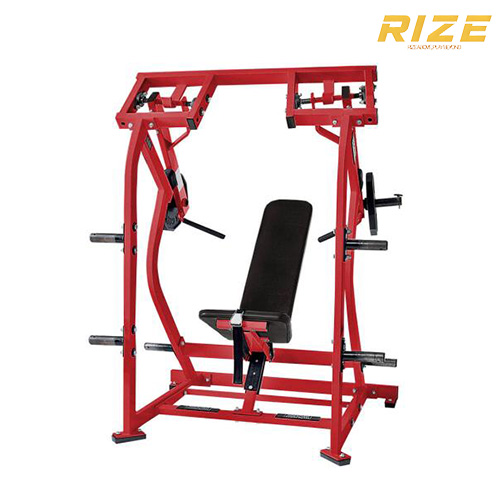
Selecting a functional trainer requires more than comparing appearance. Commercial equipment needs to handle repeated daily use from many different users.
Frame Structure and Stability
The frame is the foundation of the machine.
A commercial functional trainer should have:
- Strong structural design
- Stable base support
- High-quality welding
- Durable surface finishing
- Secure cable tower construction
When users perform powerful movements, the machine should remain stable without excessive shaking.
Pulley System and Cable Quality
The cable system directly affects training comfort.
A quality functional trainer should provide:
- Smooth cable movement
- Resistência consistente
- Reliable pulley operation
- Durable cables
- Low-friction movement
Poor cable performance can make exercises uncomfortable and increase maintenance requirements.
Adjustment Range and User Experience
The best functional trainers allow users to adjust cable height easily.
Adjustment points should be:
- Simple to operate
- Secure during use
- Suitable for different body sizes
- Clearly marked
Good adjustment design improves accessibility because different users can quickly set the machine for their preferred exercises.
Functional Trainer Exercises That Increase Gym Value
A functional trainer creates value because it supports many exercises without requiring many machines.
Upper Body Training Applications
Common upper-body exercises include:
- Cable chest press
- Cable row
- Lat-focused movements
- Face pulls
- Arm exercises
- Shoulder exercises
These movements allow users to train major muscle groups from different angles.
Lower Body and Core Training Applications
Functional trainers are also useful for:
- Cable squats
- Lunges
- Hip movements
- Core rotations
- Anti-rotation exercises
These exercises are popular because they combine strength with movement control.
Personal Training Applications
For personal trainers, functional trainers are especially valuable.
A coach can use the same machine for:
- Beginner programs
- Strength development
- Mobility training
- Athletic conditioning
- Customized workouts
This makes the equipment attractive for studios and facilities that offer coaching services.
How Functional Trainers Improve Commercial Gym Layout Design
A good gym layout is not only about placing equipment. It is about creating a smooth user journey.
Functional trainers can become the center of a flexible strength zone because they connect different training styles.
A well-designed area may combine:
- Formadores funcionais
- Bancos
- Halteres
- Cable attachments
- Stretching space
- Mobility equipment
This creates a training environment where users can move naturally between exercises.
For example, a member can complete cable movements, move to dumbbell exercises, perform core training, and finish with mobility work in the same area.
This type of layout improves convenience and encourages longer-term engagement.
You can also review RIZE’s equipamento de treinamento de força category when planning a complete strength zone.
Safety Considerations When Installing Functional Trainers
Although functional trainers offer flexibility, safety planning is still essential.
Important considerations include:
- Enough movement space around the machine
- Proper installation
- Stable flooring
- Regular inspection
- Cable maintenance
- Correct user instructions
International equipment standards such as ISO 20957 provide safety requirements and testing guidance for stationary training equipment.
Gym operators should regularly inspect:
- Cable condition
- Pulley movement
- Weight stack operation
- Adjustment points
- Estabilidade do quadro
- Handles and attachments
A safe machine creates confidence for users and reduces operational problems.
Why Functional Trainers Are Suitable for Different Fitness Facilities
Functional trainers are flexible enough to support many facility types.
Commercial Gyms
Large gyms can use functional trainers as part of a complete strength zone. They provide additional training options for a wide range of members.
Hotel and Corporate Fitness Centers
These facilities often need equipment that supports many users without requiring extensive space. Functional trainers are ideal because they offer multiple exercises in one station.
Estúdios de treinamento pessoal
Studios benefit from functional trainers because coaches can create customized workouts without needing many separate machines.
For smaller spaces, equipment flexibility can directly influence business efficiency.
Common Mistakes When Buying Functional Trainer Equipment
Choosing Only Based on Appearance
A modern appearance is attractive, but commercial buyers should also evaluate structure, movement quality, and durability.
Ignoring Space Requirements
Functional trainers may support many exercises, but users still need enough room for movement.
Overlooking Cable Quality
The cable system is one of the most important parts of the machine. Poor cable performance can affect user experience.
Not Considering User Variety
A commercial gym serves different people. The equipment should work for beginners, experienced users, and trainers.
Forgetting Maintenance Planning
Regular inspection and maintenance are necessary for long-term performance.
Future Trends of Functional Training Equipment
Functional training continues to influence modern gym design because users want more flexible workout experiences.
Future commercial fitness spaces are likely to focus on:
- Multi-purpose equipment
- Space-efficient layouts
- Personalized training
- Combination strength zones
- Better user experience
- Equipment that supports different fitness levels
Functional trainers fit this direction because they provide versatility without requiring excessive floor space.
For gym owners, investing in flexible equipment can help create facilities that adapt better to changing member needs.
Conclusão
A functional trainer is more than a cable machine. It is a versatile strength training solution that can improve commercial gym layouts, support different training styles, and provide long-term value for fitness facilities.
When selecting a functional trainer, buyers should consider frame stability, cable quality, adjustment range, safety, maintenance requirements, and how the machine fits into the overall gym design.
A well-planned strength area should combine functional trainers with other equipment such as selectorized machines, plate loaded machines, benches, and free weights. This creates a complete training environment that supports beginners, advanced users, and professional trainers.
For fitness centers, studios, hotels, and commercial projects looking to build flexible strength zones, explore RIZE’s functional trainer equipment ou contact our team for equipment solutions.