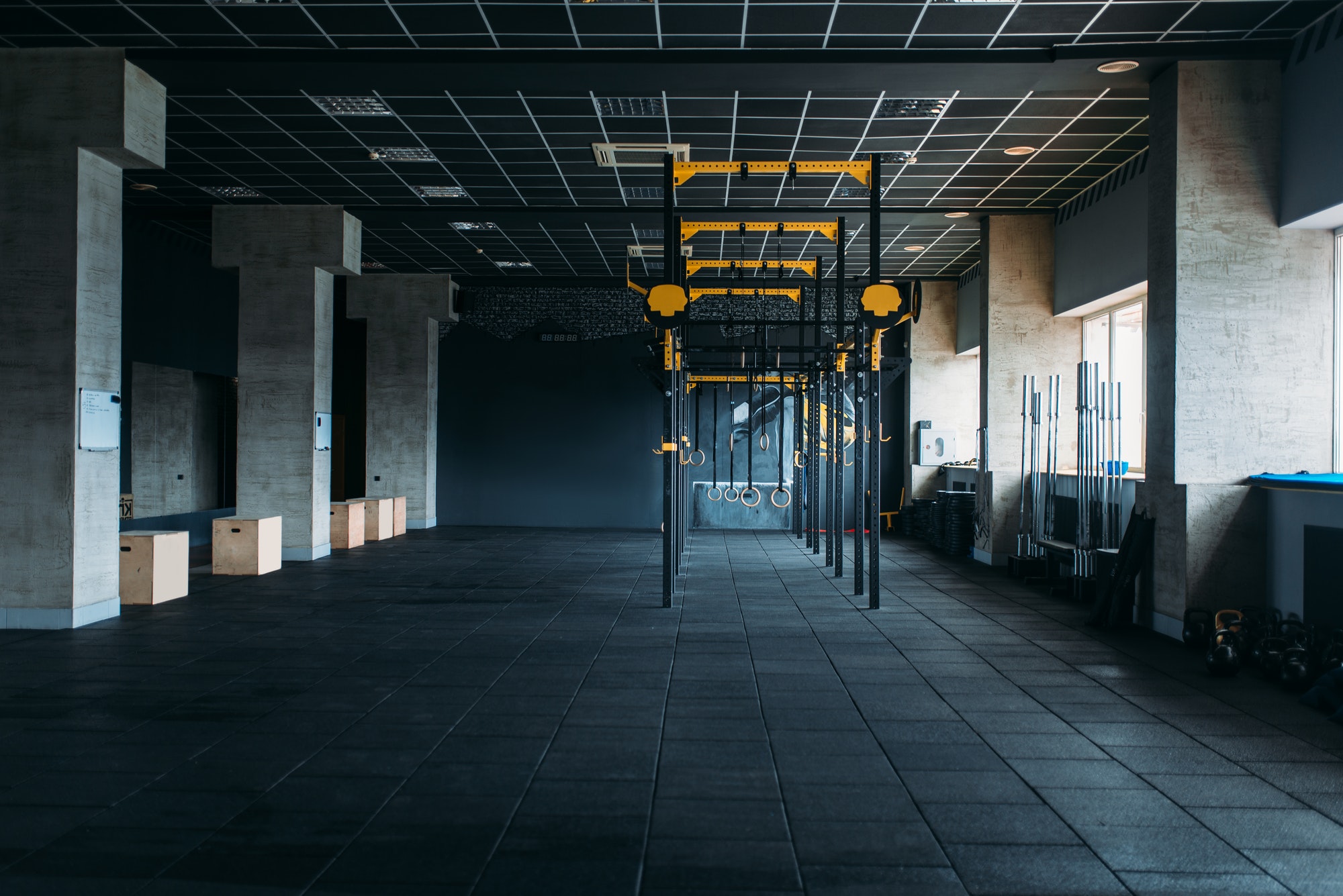
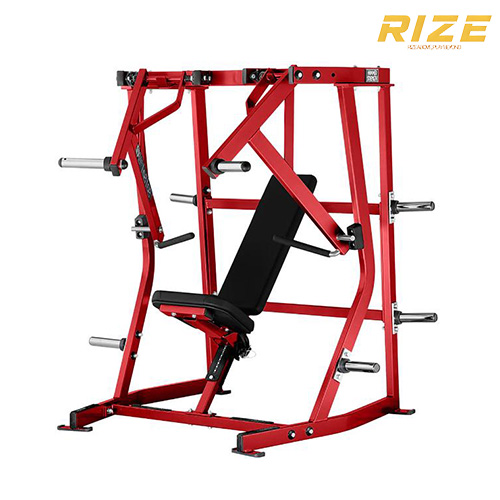
Dans la plupart des gymnases commerciaux, certaines machines sont utilisées occasionnellement, tandis que d'autres ne cessent de bouger. Le machine de presse sur la poitrine avant appartient clairement à la deuxième catégorie.
Entrez dans n'importe quel établissement de fitness très fréquenté et vous remarquerez le même schéma : les débutants comptent sur lui pour la sécurité, les utilisateurs expérimentés l'incluent dans les routines d'entraînement thoracique et les entraîneurs l'utilisent comme une option stable pour une progression de force contrôlée. Elle devient discrètement l'une des machines de force de“ les plus ” à fort trafic au sol.
Du point de vue du fabricant, il ne s'agit pas d'un simple équipement de plus C'est un produit qui doit survivre à une utilisation constante, à différents types de carrosserie et à de longues heures de fonctionnement sans compromettre la qualité du mouvement.
C'est là que la plupart des décisions d'achat réussissent ou échouent.
Table des matières
Pourquoi le Presse thoracique avant Est toujours un élément essentiel des gymnases modernes
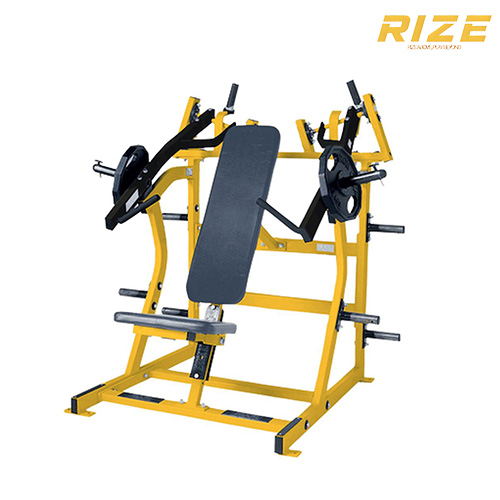
Malgré la popularité des poids libres et des systèmes d'entraînement fonctionnels, les gymnases commerciaux continuent d'investir dans des équipements de presse thoracique guidée La raison est simple : prévisibilité en charge.
Contrairement au pressage des haltères, la machine guide le mouvement sur un chemin fixe Cela réduit les barrières techniques et permet aux utilisateurs de se concentrer uniquement sur la force de poussée.
Dans les environnements pratiques de gym, cela se traduit par
- Un roulement de machine plus rapide pendant les heures de pointe
- Risque de blessure plus faible pour les débutants
- Expérience de formation cohérente quel que soit le niveau de compétence de l'utilisateur
- Un encadrement plus facile pour les entraîneurs et les formateurs
Il ne s'agit pas de remplacer les poids libres, mais de combler le vide là où la cohérence compte plus que la complexité.
Ce qui se passe réellement à l'intérieur d'une presse thoracique avant (au-delà de la description marketing)
La plupart des descriptions de produits s'arrêtent à l'activation de l“”chest.” En réalité, la biomécanique est plus structurée.
Une machine correctement conçue doit aligner trois choses :
- Stabilité articulaire de l'épaule
- Trajectoire de pressage naturelle
- Courbe de résistance équilibrée sur toute l’amplitude de mouvement
Lorsque ces éléments sont conçus correctement, le mouvement semble fluide plutôt que forcé.
Dans les unités mal conçues, les utilisateurs compensent souvent par une tension aux épaules ou une répartition inégale de la force. Cela n'est généralement pas remarqué immédiatement, mais devient évident dans les environnements commerciaux à forte utilisation.
C'est pourquoi la précision de fabrication importe plus que l'apparence.
Engagement musculaire : pourquoi il se sent différent des poids libres
Le machine de presse sur la poitrine avant cible principalement les muscles pectoraux, mais l'expérience n'est pas identique à la pression des haltères ou des haltères.
Au lieu de stabiliser le poids, les utilisateurs se concentrent sur :
- Contraction majeure pectorale
- Support d'extension Triceps
- Implication du deltoïde avant pendant la phase de lock-out
Ce qui change, ce n'est pas seulement l'activation musculaire, mais motif fatigue. La charge du stabilisateur est réduite, permettant aux utilisateurs d'effectuer des répétitions plus contrôlées.
C'est l'une des raisons pour lesquelles il est largement utilisé à la fois dans les programmes d'hypertrophie et dans les environnements de formation axés sur la réadaptation.
Systèmes sélectorisés ou chargés de plaques : une décision pratique, pas un débat technique
Dans les scénarios d'achat réels, le choix entre les systèmes sélectorisés et chargés de plaques se résume rarement à la théorie, Cela se résume aux opérations de gym.
Les systèmes sélectorisés ont tendance à s'adapter aux environnements où :
- Le chiffre d'affaires de l'équipement est élevé
- Les utilisateurs changent fréquemment tout au long de la journée
- La simplicité et la rapidité sont prioritaires
Les systèmes chargés de plaques sont plus courants où :
- L'entraînement en force est l'objectif principal
- Les utilisateurs sont plus expérimentés
- La stratégie de maintenance des équipements est plus pratique
Du point de vue de la fabrication, les deux systèmes nécessitent des approches de renforcement structurel différentes, notamment dans les joints porteurs et les mécanismes de câbles/guides.
Comment ces machines sont réellement construites dans un environnement d'usine
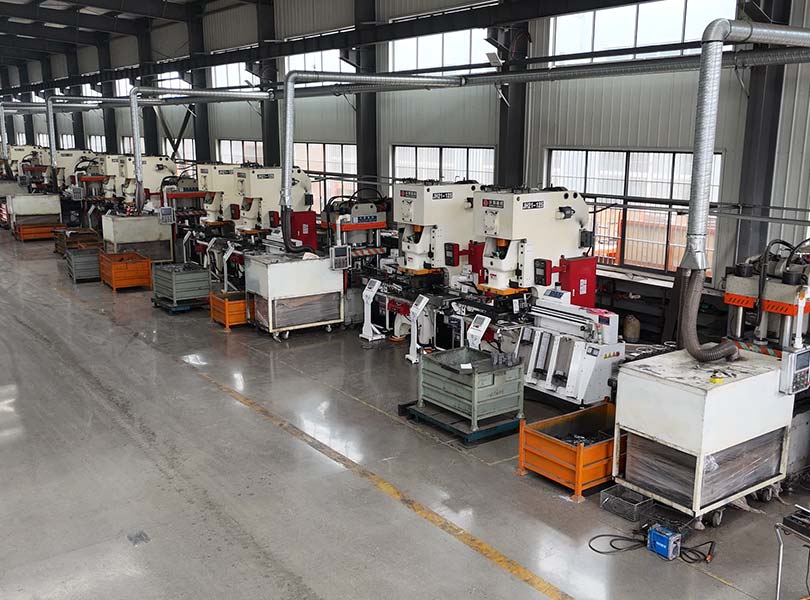
Derrière chaque machine de presse à poitrine de qualité commerciale se trouve une chaîne de production plus industrielle que ce à quoi la plupart des acheteurs s'attendent.
Un procédé de fabrication typique comprend notamment
Formage et soudage de charpente en acier
La base structurelle détermine la stabilité à long terme De petites incohérences conduisent ici souvent à un déséquilibre des cadres à long terme.
Étalonnage mécanique des bras
Cette étape définit la douceur du mouvement Si l'alignement est désactivé, même légèrement, les utilisateurs ressentent une incohérence de résistance.
Traitement de surface et revêtement
L'équipement commercial est exposé à la sueur, à l'humidité et à un contact constant. Un mauvais revêtement entraîne des problèmes d’usure précoces.
Essais de charge et de cycle
Avant expédition, les machines sont généralement testées selon des cycles de mouvements répétés pour simuler l'utilisation réelle d'une salle de sport.
Ce qui sépare souvent les fabricants fiables des fabricants moyens, ce n'est pas la conception de la cohérence avec laquelle ces étapes sont contrôlées.
Pourquoi certains gymnases remplacent les machines trop tôt (et il ne s'agit généralement pas d'utilisation)
Lorsqu'une presse thoracique tombe en panne tôt, l'hypothèse est généralement “overuse.” En réalité, les causes profondes sont souvent liées à la fabrication :
- Alignement de trame incohérent
- Systèmes de roulements de faible qualité
- Calibrage de résistance médiocre
- Faible renforcement des soudures dans les zones de contraintes
Les gymnases commerciaux ne font pas défaut à l'équipement grâce à une utilisation normale, ils exposent plus rapidement une ingénierie faible.
C'est pourquoi les acheteurs ayant de l'expérience ont tendance à se concentrer moins sur la conception des surfaces que sur la cohérence structurelle.
Personnalisation OEM : ce qui compte réellement dans les projets réels
La personnalisation est souvent mal comprise comme une marque cosmétique Dans la pratique, les demandes OEM sont généralement opérationnelles.
Les exigences communes comprennent notamment
- Ajustements du cadre pour s'adapter à l'espacement de la disposition de la salle de sport
- Adaptation de la géométrie du siège pour différentes données démographiques des utilisateurs
- Intégration de logo pour la cohérence de la marque
- Systèmes de couleurs alignés sur la conception des installations
- Structures renforcées pour environnements à fort trafic
Pour les grandes chaînes de gymnastique ou les projets de fitness, la cohérence entre plusieurs unités compte plus que la variation de conception individuelle.
Choisir un fabricant : ce que les acheteurs expérimentés examinent en premier
Lorsque les équipes d'approvisionnement évaluent les fournisseurs, elles commencent rarement par des catalogues de produits Elles commencent par des signaux de capacité.
Les indicateurs clés comprennent habituellement
- Cohérence dans la conception structurelle entre les gammes de produits
- Expérience d'exportation dans l'équipement de gymnastique commerciale
- Capacité à maintenir l'uniformité des lots
- Réactivité lors des discussions de personnalisation
- Stabilité dans la coopération à long terme en matière d'approvisionnement
Un fabricant fiable n'est pas défini par un seul produit défini par une qualité reproductible à travers les cycles de production.
Où le Presse thoracique avant S'intègre dans un écosystème de gymnastique complet
Dans une disposition complète de salle de sport, cette machine est rarement isolée. Il se trouve généralement dans une zone d'entraînement axée sur les poussées, aux côtés des équipements d'épaule et de triceps.
Il remplit plusieurs rôles :
- Station d'entraînement en force d'entrée de gamme
- Outil d'hypertrophie contrôlée pour les utilisateurs avancés
- Option d'entraînement en résistance favorable à la récupération
- Les équipements à fort trafic sont ancrés dans les aménagements commerciaux
Sa valeur n'est pas dans la complexité, mais dans la fiabilité sous utilisation continue.
Performances à long terme : ce qui permet réellement à l'équipement de fonctionner en douceur

La plupart des machines ne tombent pas en panne soudainement. La baisse des performances est progressive et souvent évitable.
Les facteurs d'entretien les plus importants sont les suivants
- Cohérence de lubrification des articulations
- Surveillance de la tension du boulon
- Gestion des usures de rembourrage
- Inspection du câble ou du système de guidage
Les machines bien entretenues ne durent pas seulement plus longtemps, elles conservent une meilleure sensation d'entraînement au fil du temps, ce qui affecte directement l'expérience utilisateur dans les gymnases commerciaux.
Conclusion
Le machine de presse sur la poitrine avant il ne s’agit pas seulement d’un équipement de gymnastique standard. Il constitue un élément essentiel de la manière dont les gymnases commerciaux modernes offrent un entraînement en force sûr et efficace.
Pour les acheteurs, la différence entre une machine de courte durée et un actif à long terme est rarement visible sur les photos de produits Elle est définie par la précision de l'ingénierie, l'intégrité structurelle et la cohérence de la fabrication.
Choisir un fiable machine de presse sur la poitrine avant fabricant il s'agit en fin de compte de réduire l'incertitude : s'assurer que chaque unité fonctionne de la même manière, chaque jour, dans des conditions réelles de gym.
Dans un marché où les équipements de gymnastique sont utilisés plus dur et plus fréquemment que jamais, la fiabilité n'est plus facultative et constitue le fondement d'un fonctionnement à long terme.
FAQ
À quoi sert une presse à poitrine avant ?
Il est utilisé pour un entraînement contrôlé de la force du haut du corps, ciblant principalement la poitrine, les épaules et le triceps avec un mouvement de pression guidé.
Une presse à poitrine avant convient-elle aux débutants ?
Oui. Le chemin de mouvement fixe le rend plus sûr et plus facile à utiliser par rapport aux poids libres, ce qui le rend idéal pour les débutants et les utilisateurs de fitness en général.
Quels muscles font le machine de presse sur la poitrine avant travail ?
Il entraîne principalement le grand pectoral, tout en engageant également les triceps et les deltoïdes antérieurs pendant le mouvement de pression.
Quelle est la différence entre les presses thoraciques sélectivées et chargées de plaques ?
Les machines sélectées utilisent une pile de poids pour un réglage rapide de la résistance, tandis que les machines chargées de plaques nécessitent le chargement de plaques de poids et sont généralement utilisées pour un entraînement plus intensif.
Pourquoi les gymnases commerciaux préfèrent-ils les presses à poitrine avant ?
Parce qu'ils offrent des performances sûres et cohérentes dans des conditions d'utilisation intensive, nécessitent une supervision minimale et conviennent aux utilisateurs de tous niveaux de condition physique dans des environnements à fort trafic.