جدول المحتويات
في معظم الصالات الرياضية التجارية، عادةً ما تكون معدات تدريب الصدر هي المنطقة الأولى التي تزدحم وآخر منطقة تظل ثابتة في الأداء.
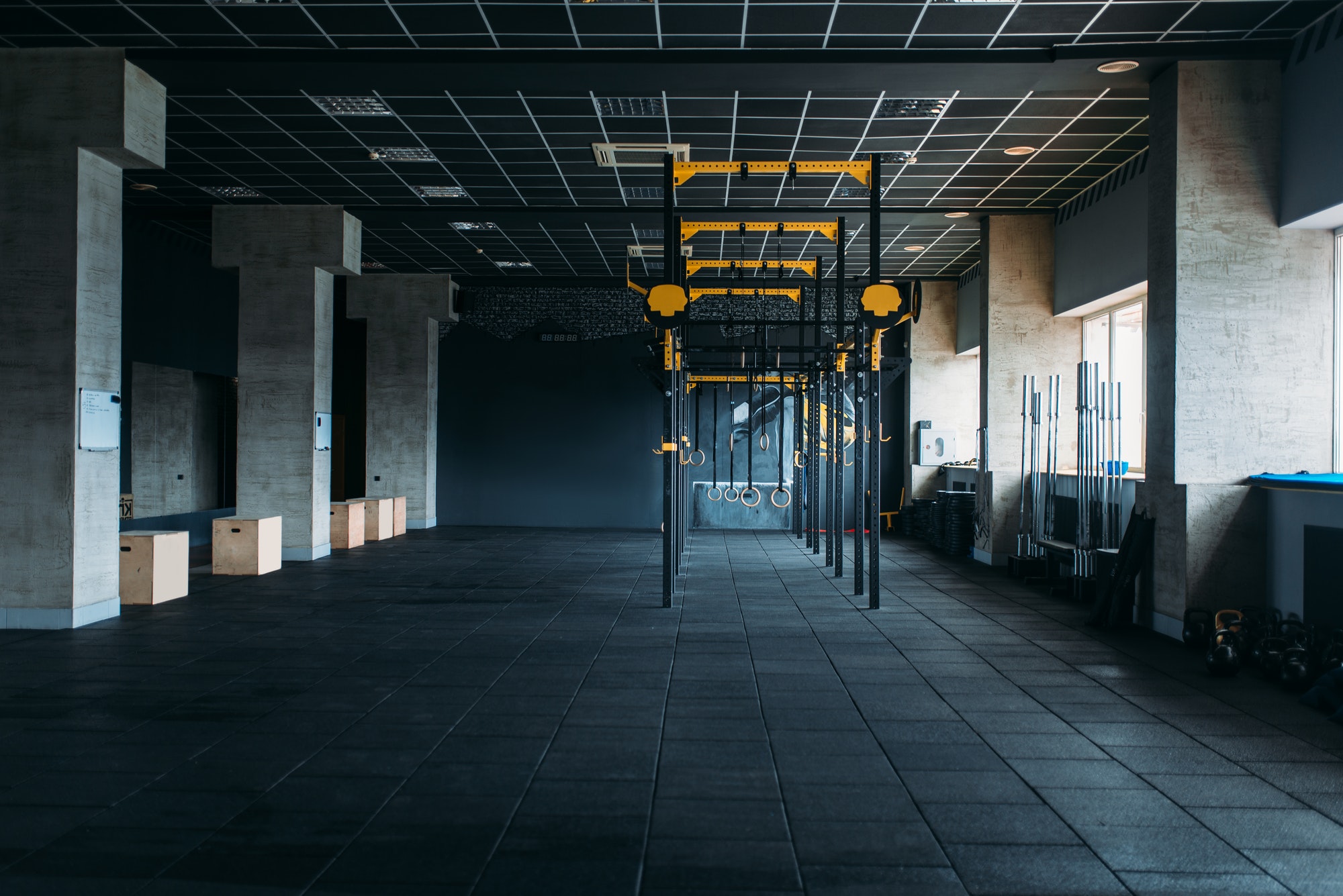
قم بالدخول إلى أي مركز لياقة بدنية مزدحم خلال ساعات الذروة وستلاحظ شيئًا ما على الفور: الآلات سهلة الاستخدام وقابلة للتعديل ومستقرة في ظل حركة مرور مستمرة قيد الاستخدام دائمًا. من بينها،, آلات الضغط على الصدر قابلة للتعديل تميل إلى البقاء مشغولة لفترة أطول من معظم محطات الجزء العلوي من الجسم الأخرى.
هذا ليس من قبيل الصدفة. يتعلق الأمر بكيفية عمل التدريب التجاري فعليًا في بيئات حقيقية، ليس من الناحية النظرية، ولكن في ظل التكرار اليومي، وأنواع الجسم المختلفة، ومستويات التدريب المختلفة.
تتناول هذه المقالة تفاصيل ما يهم حقًا عند اختيار آلات الضغط على الصدر القابلة للتعديل من منظور التصنيع والتخطيط التجاري، استنادًا إلى كيفية عمل الصالات الرياضية فعليًا.
فهم دور آلات الضغط على الصدر القابلة للتعديل في صالات الألعاب الرياضية الحقيقية

بعبارات بسيطة، تم تصميم آلات الضغط على الصدر القابلة للتعديل لدعم حركات الضغط مع مقاومة يمكن التحكم فيها مع السماح بتغييرات في وضع الجلوس وزاوية الضغط.
ولكن في صالة الألعاب الرياضية التجارية، يكون دورهم أكثر تحديدًا من مجرد معدات التدريب.“
إنهم يحلون ثلاث مشاكل عملية:
- مستخدمون مختلفون يتشاركون نفس الجهاز طوال اليوم
- مساحة محدودة لتغيرات الضغط على الصدر المتعددة
- متطلبات السلامة للتدريب الموجه ذاتيا
بدلاً من الاعتماد على آلات متعددة لزوايا مختلفة، تسمح قابلية الضبط لوحدة واحدة بخدمة احتياجات تدريبية متعددة دون تغيير البصمة.
ولهذا السبب تظهر في كل تصميم صالة الألعاب الرياضية التجارية تقريبًا، خاصة عندما تكون كفاءة الأرضية مهمة.
لماذا يختار مشغلو الصالة الرياضية باستمرار الأنظمة القابلة للتعديل
عندما يقوم أصحاب صالة الألعاب الرياضية بتقييم المعدات، نادرًا ما تبدأ المناقشة بتنوع التمارين الرياضية. يبدأ بالمتانة ومعدل الدوران وتدفق المستخدم.
تميل آلات الضغط على الصدر القابلة للتعديل إلى ملاءمة هذا الواقع بشكل أفضل من معظم البدائل.
هناك عدة أسباب لذلك:
أولا، أنها تقلل الاحتكاك للمستخدمين. التعديلات سريعة، والتدريب لا يتطلب المساعدة.
ثانياً، أنها تدعم نطاقاً سكانياً أوسع. يمكن لآلة واحدة أن تستوعب مبتدئًا، ورافعًا ترفيهيًا، ومتدربًا أكثر خبرة دون تغيير الإعدادات بعد بضع خطوات.
ثالثًا، تساعد في الحفاظ على التوازن المروري عبر منطقة تدريب الصدر، مما يمنع الاختناقات خلال ساعات الذروة.
ومن الناحية العملية، يعني هذا انقطاعات أقل واستخدامًا أكثر اتساقًا للمعدات على مدار اليوم.
مقارنة إعدادات الضغط على الصدر المختلفة دون المبالغة في تعقيدها
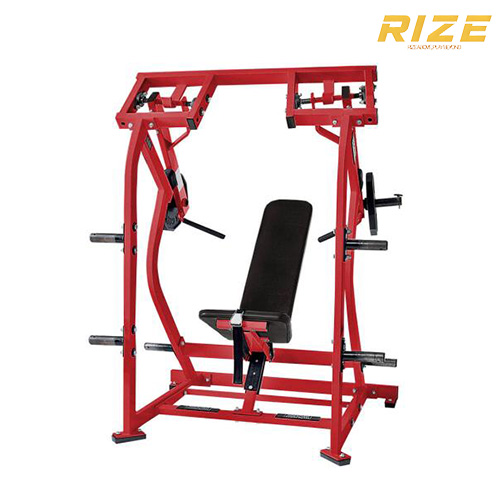
في بيئات تدريب القوة، غالبًا ما يتم تسليم حركات الضغط على الصدر من خلال ثلاثة أشكال رئيسية: الأوزان الحرة، والآلات الثابتة، والآلات القابلة للتعديل.
الأوزان الحرة تتطلب التنسيق والاستقرار. فهي فعالة ولكنها تعتمد بشكل كبير على تجربة المستخدم والإشراف.
توفر الآلات الثابتة بنية ولكنها تحد من الاختلاف في زوايا الحركة، مما قد يقلل من القدرة على التكيف في بيئات المستخدمين المختلطة.
آلات ضغط الصدر القابلة للتعديل اجلس بين الاثنين. أنها تحافظ على حركة متحكم فيها مع السماح بالاختلافات في تحديد المواقع.
ما يجعلها مفيدة بشكل خاص في الإعدادات التجارية ليس التعقيد، بل الاتساق. تظل الحركة قابلة للتنبؤ بها حتى عندما يتغير المستخدمون بشكل متكرر.
ما يهم في الواقع عند تقييم جودة البناء
من وجهة نظر التصنيع، قد تبدو معظم الآلات متشابهة للوهلة الأولى. ولا يصبح الفرق واضحا إلا بعد الاستخدام المتكرر.
في البيئات التجارية، تميل العناصر التالية إلى تحديد الأداء على المدى الطويل
استقرار الإطار تحت الحمل المستمر
يجب أن تظل الآلة صلبة حتى عند استخدامها بشكل متتالي خلال ساعات الذروة.
موثوقية نظام التعديل
يجب أن تظل آليات المقعد ومسند الظهر سلسة دون الحاجة إلى شد أو تصحيح مستمر.
اتساق مسار الحركة
يجب أن تبدو حركة الضغط طبيعية وليست قسرية، خاصة عند التمديد الكامل.
ارتداء المقاومة على نقاط الاتصال
تتعرض مناطق مثل المقابض وحشو المقعد والمفاصل المحورية لضغط مستمر ويجب تعزيزها وفقًا لذلك.
هذه ليست ميزات تظهر في الأوصاف التسويقية، ولكنها تحدد المدة التي تظل فيها الآلة قابلة للاستخدام في الظروف الحقيقية.
كيف يؤثر نهج التصنيع على الأداء على المدى الطويل
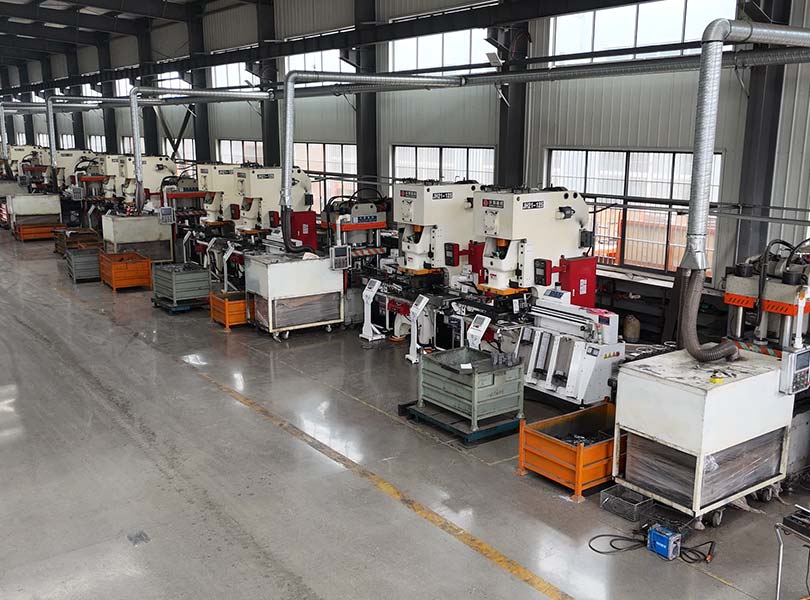
خلف كل آلة ضغط صدر تجارية توجد عملية إنتاج تحدد كيفية تصرفها بعد أشهر من الاستخدام المستمر.
تبدأ العملية عادةً باختيار الفولاذ والقطع الهيكلي. تحدد الدقة في هذه المرحلة مدى محاذاة الإطار أثناء التجميع.
اللحام هو المكان الذي يتم فيه إنشاء السلامة الهيكلية. في المعدات التجارية، تعد جودة اللحام المتسقة أكثر أهمية من المظهر، لأنها تؤثر بشكل مباشر على توزيع الحمل.
يتم بعد ذلك تطبيق المعالجة السطحية للحماية من التآكل، خاصة في البيئات التي تتعرض للعرق الشديد ودورات التنظيف.
قبل مغادرة خط الإنتاج، يتم عادةً اختبار الآلات للتأكد من سلاسة الحركة والتوازن الهيكلي في ظل ظروف الحمل المحاكاة.
ما يهم هنا ليس كيف تبدو الآلة عندما تكون جديدة، ولكن كيف تتصرف بعد دورات الضغط المتكررة.
تصنيع المعدات الأصلية والتخصيص في معدات اللياقة البدنية التجارية
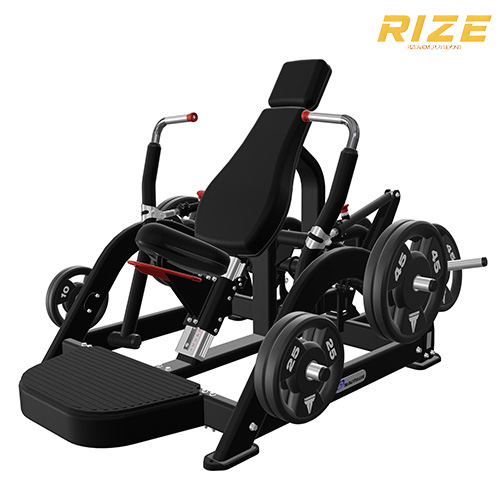
في السنوات الأخيرة، انتقل المزيد من مشغلي وموزعي الصالات الرياضية نحو المعدات المخصصة بدلاً من التصميمات القياسية.
هذا التحول ليس تجميليا. انها عملية.
يسمح التصنيع المخصص بإجراء تعديلات في الهيكل والعلامة التجارية والتكوين بناءً على تخطيطات صالة الألعاب الرياضية المحددة أو متطلبات هوية العلامة التجارية.
تشمل مجالات التخصيص النموذجية ما يلي:
تعديلات هيكل الإطار لتخطيط الفضاء
تنسيق الألوان مع تصميم المنشأة
تحديد العلامة التجارية على أسطح المعدات
اختيار مواد التنجيد لتحقيق الاتساق في تجربة المستخدم
بالنسبة لشركات الصالة الرياضية متعددة المواقع، يساعد هذا الاتساق في الحفاظ على بيئة تدريب موحدة عبر مواقع مختلفة.
ما الذي يؤثر على اختيار الموردين في قرارات الشراء الحقيقية
نادرًا ما يتعلق اختيار المورد بورقة مواصفات واحدة. يتعلق الأمر بالموثوقية مع مرور الوقت.
عادةً ما يقوم أصحاب وموزعو الصالة الرياضية بتقييم الموردين بناءً على:
سواء كان الإنتاج داخليًا أو خارجيًا
كيف يتم تسليم الآلات بشكل متسق عبر دفعات
الاستجابة عند الحاجة إلى قطع الغيار
خبرة في متطلبات التصدير التجارية
القدرة على التعامل مع التعاون طويل الأمد بدلاً من الأوامر لمرة واحدة
غالبًا ما تكون القدرة التصنيعية المباشرة عاملاً رئيسياً لأنها تقلل التباين بين الوحدات وتحسن الدعم على المدى الطويل.
سلوك الصيانة الذي يطيل عمر الماكينة فعليًا
في الصالات الرياضية التجارية، غالبًا ما يتم التغاضي عن الصيانة حتى تظهر المشاكل. ومع ذلك، فإن معظم مشاكل المعدات تتطور تدريجياً.
إن الشد الروتيني للمفاصل الهيكلية يمنع عدم الاستقرار بمرور الوقت.
يساعد التنظيف والتشحيم الخفيف للمكونات المتحركة في الحفاظ على إحساس ثابت بالحركة.
يتيح فحص المناطق عالية الاتصال مثل المقابض وأسطح المقاعد الاستبدال المبكر قبل أن يؤثر التدهور على تجربة المستخدم.
تميل هذه العادات الصغيرة إلى أن تكون أكثر أهمية من الإصلاحات الكبرى.
أين آلات ضغط الصدر القابلة للتعديل يتم استخدامها فعلا
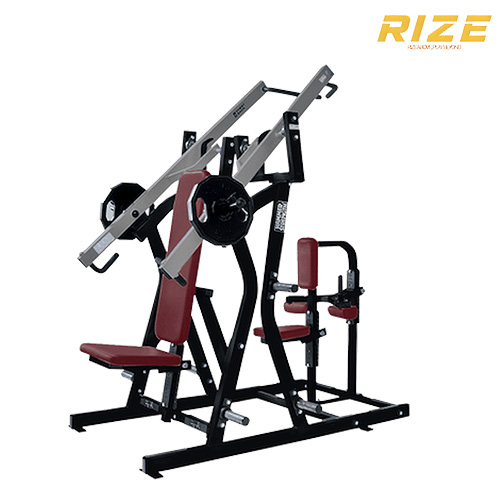
يعد تطبيق آلات الضغط على الصدر القابلة للتعديل أوسع مما يفترضه معظم الناس.
ولا تقتصر على الصالات الرياضية التجارية وحدها.
توجد بشكل شائع في غرف اللياقة البدنية بالفندق حيث تكون المساحة محدودة ولكن تعدد الاستخدامات مطلوب.
تظهر في إعدادات إعادة التأهيل حيث تكون الحركة الخاضعة للرقابة أكثر أهمية من اختلاف الحمل.
كما أنها تستخدم في بيئات التدريب الرياضي حيث تكون هناك حاجة إلى تقدم منظم للجزء العلوي من الجسم.
ما يربط كل هذه البيئات ليس نوع المستخدم، بل الحاجة إلى أنماط حركة يمكن التحكم فيها وقابلة للتكرار.
خاتمة
قابل للتعديل آلات ضغط الصدر لا يتم تعريفها من خلال التعقيد، ولكن من خلال قدرتها على الأداء المستمر في بيئات التدريب الحقيقية.
بالنسبة للصالات الرياضية التجارية، لا يتعلق القرار بتنوع التمارين الرياضية بقدر ما يتعلق بسهولة الاستخدام على المدى الطويل، والموثوقية الهيكلية، ومدى تكيف الآلة مع المستخدمين المختلفين دون خلق احتكاك تشغيلي.
من وجهة نظر التصنيع، يوجد الفرق بين المعدات المتوسطة والمعدات التجارية في التصميم الهيكلي، واتساق الإنتاج، والقدرة على الحفاظ على الأداء بعد الاستخدام المتكرر.
عند اختيارها بعناية، تصبح هذه الآلات أكثر من مجرد معدات تدريب، بل تصبح جزءًا من سير العمل اليومي في صالة الألعاب الرياضية، مما يدعم تجربة المستخدم والاستقرار التشغيلي بمرور الوقت.
التعليمات
ما هي آلات الضغط على الصدر القابلة للتعديل المستخدمة؟
يتم استخدامها لتدريب الصدر المتحكم فيه، مما يسمح للمستخدمين بأداء حركات الضغط مع إعدادات المقعد والزاوية القابلة للتعديل لاستهداف أجزاء مختلفة من الصدر بأمان وفعالية.
لماذا تحظى آلات الضغط على الصدر القابلة للتعديل بشعبية كبيرة في الصالات الرياضية التجارية؟
لأنها تدعم العديد من المستخدمين بأحجام مختلفة للجسم، وتقلل الحاجة إلى أجهزة متعددة، وتتعامل مع الاستخدام المستمر عالي التردد في بيئات الصالة الرياضية المزدحمة.
ما هي العضلات القابلة للتعديل آلات ضغط الصدر عمل؟
وهي تستهدف بشكل أساسي العضلة الصدرية الكبرى (الصدر)، بينما تشرك أيضًا العضلة ثلاثية الرؤوس وعضلات الكتف الأمامية أثناء حركة الضغط.
ما الفرق بين آلات الضغط على الصدر القابلة للتعديل والثابتة؟
تسمح الآلات القابلة للتعديل بتغييرات في زوايا المقعد والضغط من أجل تخصيص أفضل، بينما توفر الآلات الثابتة مسار حركة واحدًا مع مرونة أقل لمختلف المستخدمين.
كيف يمكنك الحفاظ على آلات الضغط على الصدر القابلة للتعديل في صالة الألعاب الرياضية التجارية؟
افحص البراغي والمفاصل بانتظام، وقم بتنظيف الأجزاء المتحركة، وقم بتشحيم النقاط المحورية عند الحاجة، وافحص الحشو والمقابض لضمان المتانة والتشغيل السلس على المدى الطويل.