Table des matières
Comprendre le Machine de presse à poitrine plate assise
What is a Seated Flat Chest Press Machine?
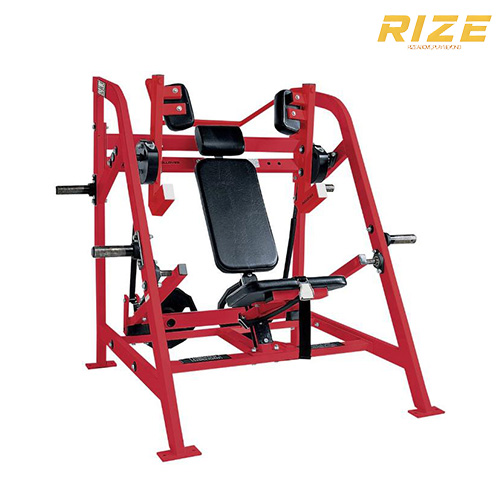
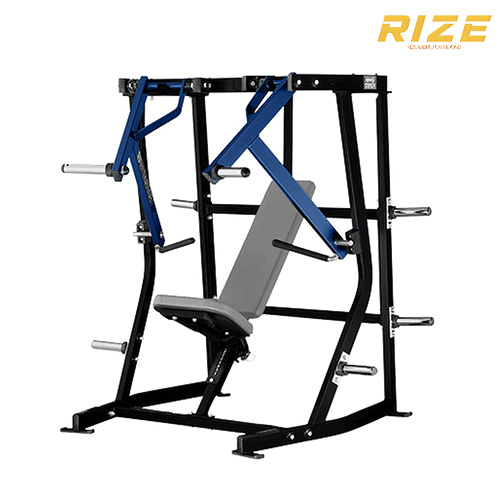
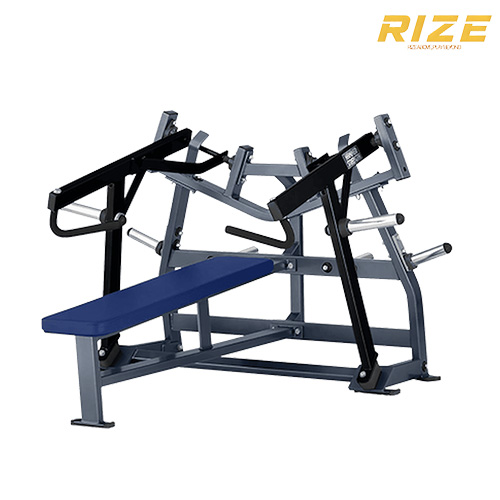
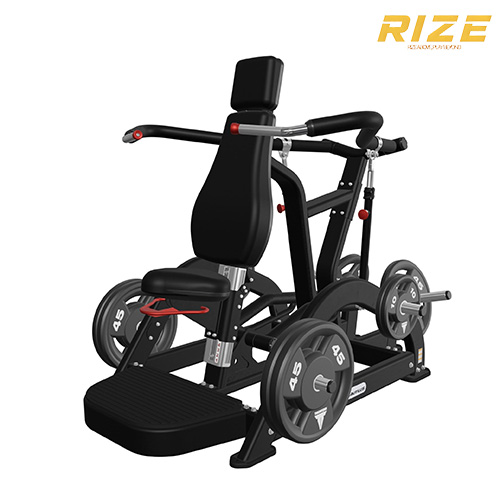
A seated flat chest press machine is a piece of strength training equipment designed to target the chest muscles through a controlled horizontal pressing motion. Unlike free weight exercises like the barbell bench press, this machine features a guided movement path that keeps the user seated throughout the exercise. The design allows for consistent resistance while reducing the need for stabilizer muscles, making it an ideal choice for beginners, rehabilitation scenarios, and experienced lifters looking for targeted chest development.
Commercial chest press machines typically come in two main configurations: selectorized (pin-loaded) systems with weight stacks, and plate-loaded models that accept standard Olympic plates. Both options deliver effective chest training while accommodating different training preferences and facility requirements.
Key Components and Features of a High-Quality Machine
When evaluating a seated flat chest press machine, several critical components determine its quality and usability:
- Construction à ossature: Commercial-grade machines utilize heavy-gauge steel tubing (typically 11-gauge or thicker) to withstand daily use in high-traffic environments. Quality welding and durable powder-coat finishes ensure longevity and resistance to corrosion.
- Movement Mechanism: Premium models feature independent arms or converging motion paths that mimic natural pressing biomechanics. Smooth pivot points, industrial-grade bearings, and precision-engineered linkage systems deliver fluid movement without sticking or binding.
- Adjustment Range: Height-adjustable seats with multiple positions accommodate users from approximately 150cm to 195cm. Back pad adjustments allow for proper alignment with the handles, ensuring optimal muscle activation and joint comfort.
- Weight System: Selectorized machines typically offer weight stacks ranging from 200 to 300 lbs with 5-10 lb increments. Plate-loaded models provide unlimited loading potential using existing Olympic plates, appealing to strength-focused facilities.
- Grip Options: Multiple grip positions—including neutral, pronated, and varying widths—allow users to target different areas of the chest while accommodating individual shoulder mechanics and comfort preferences.
How It Differs from Other Chest Press Equipment
The seated flat chest press machine occupies a unique position among chest training tools. Unlike incline press machines that target the upper pectorals, the flat press focuses on the overall chest with an emphasis on the sternal (mid) region. Compared to pec deck machines which isolate chest adduction through a squeezing motion, the chest press involves a pushing movement pattern similar to the bench press but with guided stabilization.
The primary distinction from free weight exercises lies in the fixed movement path. While barbells and dumbbells require significant stabilization from the core, shoulders, and upper back, the machine removes this requirement. This allows users to focus exclusively on the pressing muscles, reduces technical complexity, and creates a safer environment for training to failure without a spotter.
Benefits of Using a Seated Flat Chest Press Machine
Targeted Muscle Groups and Strength Gains
The seated flat chest press primarily targets the pectoralis major (chest muscles), with significant contributions from the anterior deltoids (front shoulders) and triceps. Because the movement path is controlled, users can achieve high levels of muscle activation in the target muscles without the fatigue that stabilization demands impose on free weight exercises.
Research comparing muscle activation between machine chest presses and barbell bench presses shows similar activation levels for the primary chest muscles at high intensities. This makes the machine an effective tool for both strength and hypertrophy goals. For bodybuilders and physique-focused athletes, the ability to isolate the chest while minimizing triceps involvement can lead to more targeted development.
Strength gains transfer effectively to other pressing movements due to the specificity of the horizontal pressing pattern. Athletes in sports requiring pushing strength—such as football, rugby, and martial arts—can benefit from the controlled overload that the machine provides.
Safety and Ergonomic Advantages
One of the most significant benefits of seated chest press machines is their safety profile. The guided movement path reduces the risk of injury caused by poor form or loss of control, particularly at the shoulders and wrists. Since users are seated with their backs supported against a padded backrest, lower back strain is minimized—a common issue with free weight bench presses.
The fixed path also prevents dangerous scenarios such as the bar rolling off the chest or getting stuck under heavy loads without a spotter. This safety advantage makes machine presses ideal for solo training sessions and allows users to confidently push to muscular failure—a key stimulus for muscle growth.
Ergonomically, high-quality machines are designed to accommodate a wide range of body types. Adjustable seats, multiple grip options, and optimized movement arcs help ensure proper joint alignment. For users with shoulder mobility limitations or previous injuries, the machine provides a joint-friendly alternative to free weight pressing while still delivering effective chest stimulation.
Enhancing Gym Member Satisfaction and Retention
From a facility owner’s perspective, seated chest press machines offer excellent member satisfaction value. The ease of use makes them accessible to complete beginners, eliminating the intimidation factor often associated with free weight areas. Members can achieve effective workouts quickly without needing extensive instruction or spotters.
The safety features also increase member confidence, encouraging consistent training and reducing the fear of injury that can deter less experienced gym-goers. For busy commercial facilities, the quick weight change capability of selectorized models keeps traffic flowing smoothly, reducing wait times during peak hours.
Member retention improves when users see consistent results and feel comfortable in their training environment. The chest press machine’s combination of effectiveness, safety, and accessibility contributes significantly to this goal, making it a high-return investment for gym owners focused on member satisfaction.
Factors to Consider When Choosing a Machine de presse à poitrine plate assise
Build Quality and Material (Steel Frame, Commercial Grade)
The foundation of any commercial chest press machine is its frame construction. Commercial-grade models typically utilize structural steel tubing with thickness specifications of 2.5mm to 3mm (approximately 11-gauge). This substantial construction prevents flexing or wobbling during heavy use—a critical factor for both user confidence and equipment longevity.
Welding quality is equally important. Look for smooth, consistent welds without gaps, cracks, or excessive spatter. Poor welds can fail under repeated stress, creating safety hazards and costly repairs. Reputable manufacturers stress-test frames and provide clear documentation of their materials and construction standards.
Finish materials also impact durability. Powder-coat finishes in multiple thickness layers provide superior resistance to scratches, chips, and corrosion compared to basic paint. Chrome-plated components on adjustment tubes and guide rods should resist rust even in high-humidity environments. For facilities near coastal areas or with poor climate control, stainless steel or specially treated components may be worth the additional investment.
The overall weight of the machine serves as an indicator of build quality. Commercial chest presses typically weigh between 180kg and 250kg, providing necessary stability during use. Lighter machines may feel less solid and can shift during intense pressing sessions, compromising user experience and potentially creating safety issues.
Adjustable Settings and User-Friendly Design
Adjustability determines how well a machine accommodates diverse user populations. Seat height adjustment is the most critical feature, typically requiring 10-15 or more positions to accommodate users from approximately 150cm to 195cm in height. The adjustment mechanism should engage smoothly and securely—pop-pin designs should insert fully without binding, and gas-assisted systems should maintain position without creeping.
Back pad adjustments further refine the user experience. Models that allow both horizontal and vertical positioning enable users of different arm lengths to align their shoulders properly with the pressing handles. This customization maximizes chest activation while minimizing shoulder strain across your entire membership base.
User-friendly design extends beyond basic adjustments to include intuitive operation. Weight selection mechanisms—whether selectorized pins or plate-loading pegs—should be easily accessible and clearly marked. Instructional placards with proper form guidance help users get the most out of the machine while reducing the need for staff supervision.
Consider also the machine’s footprint and space efficiency. Compact designs that accommodate users of all sizes without requiring excessive clearance optimize floor space usage. Built-in weight storage on plate-loaded models keeps workout areas organized and safe, preventing tripping hazards from scattered plates.
Weight Stack Options and Resistance Levels
The resistance system significantly impacts the machine’s versatility and suitability for different user populations. Selectorized machines typically feature weight stacks ranging from 200 to 300 lbs, divided into 5-10 lb plates. This range accommodates most general fitness enthusiasts, though facilities with strength-focused athletes may require higher maximums or plate-loaded alternatives.
Weight increment granularity affects training quality. Smaller 5 lb increments allow for precise progressive overload, particularly important for intermediate lifters approaching strength plateaus. Some advanced machines offer 2.5 lb micro-increments or fine-tuning cursors that enable even smaller adjustments.
Plate-loaded models provide virtually unlimited loading potential by accepting standard Olympic plates. This appeals to powerlifters, bodybuilders, and other advanced users who may exceed the capacity of weight stacks. However, plate-loaded machines require users to have access to and manually handle weight plates, which may be less convenient in facilities with high member turnover.
Consider also the resistance curve through the range of motion. Premium machines engineer biomechanically appropriate cam systems or linkage mechanisms that vary resistance to match human strength curves. This maintains tension on target muscles throughout the entire movement rather than creating easy or sticking points, enhancing training effectiveness and user experience.
Seated Flat Chest Press Machine for Home vs Commercial Use
Differences in Size, Durability, and Price
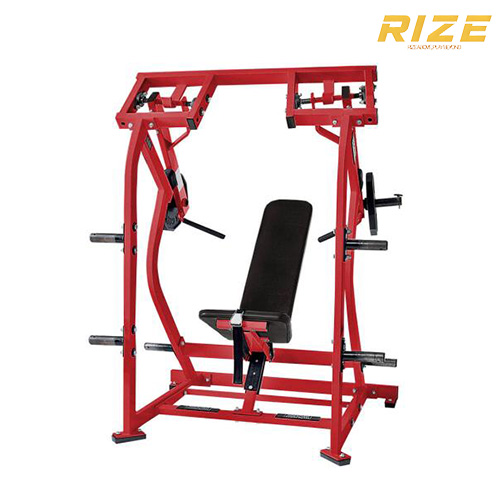
Home and commercial chest press machines differ substantially in their construction, capabilities, and cost structures. Commercial machines are built for continuous use by hundreds of users daily, resulting in heavier frames, more robust components, and superior durability. Home models, designed for occasional use by one or a few individuals, typically feature lighter construction and more economical materials.
Size differences reflect these varying usage patterns. Commercial machines may have footprints approaching 180cm x 120cm to accommodate larger users and provide stability during intense use. Home models often utilize more compact designs that save space but may sacrifice some user-friendliness for very tall or short individuals.
Durability expectations also vary dramatically. Commercial equipment is engineered for lifespans of 5-10 years or more with daily heavy use. Frame warranties on commercial machines often extend to 10 years, with shorter coverage on moving parts and upholstery. Home equipment typically carries 1-3 year warranties across all components, reflecting lighter duty cycles.
Price points align with these differences in construction and durability. Commercial chest press machines typically range from $1,500 to $4,000+ for selectorized models and $2,000 to $5,000+ for plate-loaded versions. Home models may cost $300-$1,500, though they lack the robustness needed for commercial environments despite appearing similar in function.
Choosing the Right Model Based on Space and Usage Frequency
Space constraints often dictate equipment choices, particularly for home gyms or small commercial facilities. Compact selectorized machines with vertical weight stacks minimize footprint while still providing adequate resistance for most users. For extremely limited spaces, dual-function units combining chest press and shoulder press capabilities can deliver two exercises in one footprint.
Usage frequency should drive durability requirements. Home users training 3-4 times weekly can often make do with mid-range residential models, whereas any commercial facility—even small studios—should prioritize commercial-grade equipment to avoid premature failure and safety issues. The cost difference quickly pays for itself through reduced downtime and replacement expenses.
Consider also the user population when selecting equipment. Facilities with significant elderly or rehabilitation-focused memberships benefit from machines with lower starting weights and very small increments. Athletic performance centers and hardcore gyms need plate-loaded models with high maximum capacities. General fitness clubs thrive with versatile selectorized machines that accommodate casual users and serious enthusiasts alike.
The table below summarizes key considerations for different usage scenarios:
| Factor | Home Use | Small Commercial | Large Commercial |
|---|---|---|---|
| Construction à ossature | Light gauge steel | Medium gauge steel | Heavy gauge steel (11-gauge+) |
| Capacité de charge | 250-300 lbs | 300-350 lbs | 400+ lbs |
| Plage de poids | 150-200 lbs | 200-250 lbs | 250-300+ lbs |
| Ajustabilité | 5-8 seat positions | 8-12 seat positions | 12+ seat positions |
| Gamme de prix | $300-$1,500 | $1,500-$2,500 | $2,500-$5,000+ |
| Expected Lifespan | 3-5 years | 5-7 years | 7-10+ years |
| Garantie | 1-3 years | 3-7 years | 5-10 years on frame |
Comparing Seated Flat Chest Press Machines with Other Chest Equipment
Seated Flat Chest Press vs Incline Press Machine
The primary difference between flat and incline chest press machines lies in the angle of the pressing movement and the resulting muscle emphasis. Incline machines typically position the user at 30-45 degrees, shifting emphasis to the clavicular (upper) portion of the pectoralis major. This creates a fuller, more balanced chest development when combined with flat pressing movements.
Flat presses remain superior for overall chest mass development due to the greater loading potential and more natural movement pattern for most users. The horizontal pressing direction allows heavier weights to be used safely, creating stronger stimulus for the primary chest fibers. Incline presses, while valuable for upper chest development, typically use slightly lower weights due to the biomechanically disadvantaged starting position.
For complete chest development, most comprehensive strength facilities include both flat and incline pressing options. This variety accommodates different training goals—bodybuilders seeking aesthetic balance, athletes needing functional strength at various angles, and general fitness enthusiasts wanting comprehensive training. Some advanced machines offer adjustable back pads that convert between flat and incline positions, providing both movements in one space-efficient package.
Seated Flat Chest Press vs Free Weights and Dumbbells
The debate between machine and free weight chest training has persisted for decades, with each approach offering distinct advantages. Free weight exercises—barbell and dumbbell bench presses—engage significant stabilizer muscles including the core, upper back, and shoulders. This creates greater overall muscle activation and functional carryover to real-world activities.
Machine presses excel in isolation and safety. By removing stabilization requirements, users can focus exclusively on the target muscles without fatigue limiting factors from supporting muscles. The fixed path also prevents dangerous situations where loss of balance could result in injury, making machines particularly suitable for solo training and rehabilitation scenarios.
Research comparing muscle activation shows similar levels for primary chest muscles between machines and free weights at high intensities. However, free weights typically produce greater activation in stabilizer muscles and may offer superior results for overall functional strength. For pure hypertrophy, both methods can be effective when programmed correctly with appropriate volume and intensity.
Pros and Cons of Each Option for Gym Owners
From a facility management perspective, different chest training equipment offers varying benefits:
- Seated Flat Chest Press Machine Pros: Minimal staff supervision required, reduced injury risk, quick member turnover, excellent for beginners and rehabilitation, lower intimidation factor, easy maintenance requirements.
- Seated Flat Chest Press Machine Cons: Limited functional carryover, potentially less stabilization development, higher initial investment for commercial-grade models, may not satisfy powerlifting athletes.
- Free Weight Bench Press Pros: Superior functional strength development, greater muscle activation, more versatility in exercises (flat, incline, decline, close-grip, etc.), appeals to serious lifters, typically lower equipment cost per station.
- Free Weight Bench Press Cons: Requires spotting for safe heavy training, steeper learning curve, higher injury risk potential, requires more floor space for safety zones, may intimidate less experienced members.
Most successful commercial facilities provide both options to serve diverse member populations. The machine press anchors the chest training area for general members, while free weight areas accommodate serious lifters and athletes seeking comprehensive strength development. This balanced approach maximizes member satisfaction while addressing various training goals and experience levels.
How to Maintain and Care for Your Machine de presse à poitrine plate assise

Routine Maintenance Tips for Longevity
Preventative maintenance significantly extends equipment lifespan and ensures safe operation. A consistent maintenance routine should include:
Daily inspections focusing on obvious safety issues: verify that weight stack pins engage securely, check that adjustment mechanisms function smoothly, and ensure no loose bolts or components are visible. Tighten any loose hardware immediately to prevent progressive damage.
Weekly thorough checks should examine all visible fasteners, particularly those on the seat adjustment mechanism and press arm pivots. These high-stress points experience regular loading and are most likely to loosen over time. Inspect cables for fraying, especially at attachment points and where they pass around pulleys.
Monthly detailed inspections require more comprehensive examination. Check all moving components for wear—pivot points for play, bearings for roughness, and bushings for excessive movement. Lubricate adjustment tubes, guide rods, and pivot points according to manufacturer specifications using appropriate lubricants (typically silicone-based or Teflon sprays for metal-on-metal contact points).
Maintain a maintenance log documenting all inspections, repairs, and component replacements. This documentation helps identify recurring issues and demonstrates proper maintenance for warranty purposes. Track usage hours if possible, as high-use facilities may need more frequent maintenance schedules than low-traffic locations.
Cleaning and Lubrication Guidelines
Regular cleaning prevents damage from sweat, dust, and debris while maintaining a hygienic training environment. Daily wiping of all contact surfaces—upholstery, handles, and adjustment mechanisms—prevents accumulation of corrosive substances and extends component life.
Upholstery requires weekly attention to maintain integrity and appearance. Clean with mild soap and water, avoiding harsh chemicals or abrasive cleaners that can degrade vinyl. Periodic application of vinyl conditioner prevents cracking and drying, particularly in facilities with high temperatures or low humidity.
Metal components need periodic cleaning to prevent corrosion. Use appropriate cleaners for painted surfaces, chrome parts, and adjustment tubes. Avoid ammonia-based or acidic cleaners that can damage finishes. For stubborn dirt or grease marks, use specialized fitness equipment cleaners designed for commercial environments.
Lubrication follows a specific schedule based on component type and usage frequency. Guide rods typically require light lubrication weekly to monthly depending on usage. Pivot points and bearings may need lubrication monthly or quarterly, following manufacturer specifications precisely. Over-lubrication can attract dust and debris, creating additional wear, so apply lubricants sparingly and wipe excess.
Troubleshooting Common Issues
Address problems promptly to prevent minor issues from becoming major failures:
- Stiff or binding movement arms: Usually indicates dry bearings, worn bushings, or misaligned components. Clean and lubricate pivot points first. If issues persist, inspect bearing wear and replace as needed. Check that guide rods are straight and properly aligned.
- Loose or wobbling components: Tighten all visible hardware first, particularly at connection points. If wobbling continues, inspect welds for cracks and frame components for bending. Structural damage requires immediate replacement or professional repair.
- Weight stack issues: If pins don’t engage properly, check for debris in weight plates and worn pin mechanisms. Uneven weight movement suggests bent guide rods or damaged weight plates. Address immediately to prevent equipment failure.
- Upholstery damage: Small tears can be patched with vinyl repair kits to prevent spreading. More extensive damage requires complete replacement of the affected pad. Replace torn upholstery promptly to maintain hygiene and user comfort.
- Cable problems: Fraying cables require immediate replacement—never continue use with damaged cables as failure can cause sudden weight drops. Check tension according to manufacturer specifications; cables with excessive slack should be adjusted or replaced.
Maintain a stock of commonly replaced parts to minimize downtime. Items like pop-pins, grips, and cables are worth keeping on hand for quick repairs. Establish relationships with service providers who can address more complex issues that exceed in-house capabilities.
Tips for Maximizing Workouts with a Seated Flat Chest Press Machine
Correct Form and Technique
Proper form ensures both safety and effectiveness when using the seated chest press machine:
Start by adjusting the seat height so that handles align with mid-chest level—approximately nipple height. This positioning optimizes muscle activation and joint mechanics. Sit with your back flat against the backrest, feet firmly planted on the floor or footrests for stability.
Grip the handles with your hands positioned just wider than shoulder width. Keep wrists neutral and elbows at approximately 45-degree angles relative to your torso throughout the movement. Retract your shoulder blades slightly to create a stable base for pressing.
Initiate the movement by pressing the handles forward and slightly upward, following the machine’s natural path. Exhale as you press, accelerating smoothly through the concentric phase. Fully extend your arms without locking your elbows at the top position.
Control the return movement, taking 2-3 seconds to lower the handles back to the starting position. Maintain tension on your chest muscles throughout the entire range. Avoid letting the weight stack touch between repetitions to keep continuous muscle tension.
Common form errors to avoid include arching your back off the pad (indicates too much weight), flaring elbows excessively (increases shoulder stress), and using momentum rather than controlled muscle contraction. Focus on feeling the chest muscles do the work rather than moving weight from point A to point B.
Beginner-Friendly Workout Routines
Beginners should start with foundational movements to build strength and learn proper technique:
Weeks 1-2: Focus on learning proper movement patterns with light weights. Perform 2-3 sets of 12-15 repetitions, using weights that allow you to complete all reps with 2-3 reps left in reserve. Rest 60-90 seconds between sets. Master the technique before increasing weight.
Weeks 3-4: Gradually increase intensity while maintaining form. Perform 3 sets of 10-12 repetitions with a weight that allows you to complete all reps but leaves you feeling fatigued by the last few. Rest 60-90 seconds between sets. Add a second chest exercise if desired.
Weeks 5-8: Introduce progressive overload by gradually increasing weight as your strength improves. Perform 3-4 sets of 8-12 repetitions, using a weight that allows you to complete all reps with good form but challenges you significantly. Rest 90-120 seconds between sets.
Beginners should train chest 1-2 times per week, allowing adequate recovery between sessions. Combine machine chest presses with complementary exercises like push-ups, cable flys, or light dumbbell presses for well-rounded development. Focus on consistency rather than intensity during this learning phase.
Advanced Training Programs for Strength and Hypertrophy
Advanced trainees can implement more sophisticated programming for specific goals:
Strength Focus: Work in lower rep ranges with heavier weights. Perform 4-6 sets of 3-5 repetitions at 85-90% of your one-repetition maximum. Rest 3-5 minutes between sets to allow full recovery. Focus on explosive concentric movements while maintaining control in the eccentric phase. Cycle between 4-6 week strength mesocycles and higher volume phases.
Hypertrophy Focus: Use moderate weights with higher volume. Perform 3-4 sets of 8-12 repetitions at 70-80% of 1RM. Rest 60-90 seconds between sets. Focus on controlled movements with mind-muscle connection. Incorporate techniques like drop sets, rest-pause sets, or cluster sets to increase training density. Train chest 2-3 times per week with appropriate recovery.
Advanced techniques can enhance training effectiveness:
- Drop sets: Perform a set to failure, then immediately reduce weight by 20-30% and continue to failure again. Repeat for 2-3 drops per set to exhaust muscle fibers completely.
- Rest-pause training: Perform a set to failure, rest 10-20 seconds, then perform additional reps to failure again. Repeat 2-3 times per set to accumulate high volume with heavier weights.
- Eccentric overload: Focus on controlled lowering phases, taking 3-5 seconds for each eccentric repetition. This emphasizes muscle damage pathways that stimulate growth.
- Unilateral training: Use independent-arm machines to address strength imbalances. Train each arm separately, ensuring equal work for both sides. This can also increase total training volume without overloading joints.
Advanced trainees should carefully track progress and adjust programming based on individual responses. Periodize training phases to prevent plateaus and overtraining while ensuring continuous progress toward strength and physique goals.
Buying Guide and Manufacturer Insights
How to Choose the Best Brand and Model
Selecting the right chest press machine requires careful evaluation of multiple factors beyond initial price:
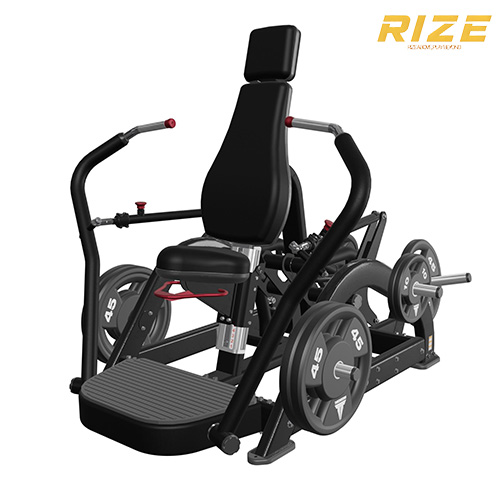
Start by assessing your specific needs: user demographics, training focus (general fitness, performance, bodybuilding), available space, and budget constraints. Commercial facilities serving diverse populations benefit from versatile selectorized machines with broad weight ranges and extensive adjustability. Performance-oriented facilities may prioritize plate-loaded models with higher loading potential.
Evaluate manufacturers’ reputations for quality and reliability. Look for companies with established track records in commercial fitness environments rather than residential equipment makers expanding into commercial lines. Research warranty terms—a manufacturer’s confidence in their product often reflects in warranty length and coverage comprehensiveness.
Request demonstration units when possible. Hands-on evaluation reveals quality details that specifications can’t convey: movement smoothness, adjustment mechanism quality, overall fit and finish, and user experience. Pay particular attention to how the machine feels at various points through the range of motion and under different loading conditions.
Consider after-sales support infrastructure. Manufacturers with established parts availability and service networks minimize downtime when repairs are needed. Long lead times for replacement parts can leave equipment unusable for extended periods, affecting member satisfaction and facility operations.
Customization Options for Commercial Gyms
Many manufacturers offer customization options to match facility branding or specific requirements:
Frame colors can often be customized beyond standard black to align with facility color schemes. Some manufacturers offer extensive color palettes or even custom color matching for large orders. Upholstery colors similarly offer personalization options, allowing facilities to create cohesive equipment aesthetics.
For large facilities, custom branding options may include logos applied to equipment, branded upholstery, or even custom frame colors. While these options increase costs, they reinforce brand identity and create premium facility impressions for members.
Functional customization may include specific weight stack configurations, special grip options, or modified movement paths to accommodate particular training methodologies. Some manufacturers collaborate with facilities to develop bespoke equipment for specialized applications.
Consider also accessory packages: additional weight storage attachments, specialized grip options, floor matting kits, or connectivity features for digital integration. These add-ons enhance functionality and user experience while often being more cost-effective when purchased as part of the initial equipment package rather than as retrofits later.
Why Buying Directly from a Manufacturer Ensures Quality
Purchasing directly from manufacturers offers several advantages for commercial facility owners:
Quality assurance is the most significant benefit. Factory-direct purchases ensure equipment meets specified quality standards without potential issues from unauthorized modifications, improper storage, or counterfeit products. Manufacturers stand behind their products directly, providing clear warranty terms and support channels.
Cost efficiency often improves when dealing directly with manufacturers, especially for large orders. Middleman markups disappear, and manufacturers may offer volume discounts or promotional pricing not available through distribution channels. For multiple unit purchases or full facility setups, these savings can be substantial.
Customization capabilities are typically most accessible through direct manufacturer relationships. Special requests that distributors may decline become possibilities when working directly with production teams. This enables facilities to get precisely what they need rather than settling for standard configurations.
Technical support improves with direct manufacturer relationships. The teams designing and building equipment understand its capabilities and limitations better than anyone else. When questions arise about proper use, programming, or technical specifications, direct access to this expertise is invaluable.
Supply chain reliability strengthens with direct relationships. Manufacturing schedules, production timelines, and inventory availability are more transparent. This facilitates better planning for facility openings, renovations, or equipment expansions without surprises from distributor inventory shortages.
For large commercial equipment purchases, the advantages of buying directly from manufacturers often outweigh the convenience of local distributors. The combination of quality assurance, cost savings, customization options, and technical support creates compelling value for facility owners making significant investments in their equipment infrastructure.
Conclusion
Selecting the right seated flat presse thoracique machine represents a critical investment for both commercial facilities and serious home gym owners. The proper equipment balances quality construction, ergonomic design, appropriate resistance ranges, and user-friendly features to create safe, effective training experiences.
For commercial gym owners, chest press machines anchor the strength training area, providing accessible options for members of all experience levels. Their combination of safety, effectiveness, and ease of use enhances member satisfaction and retention while requiring minimal staff supervision. Investing in commercial-grade equipment from reputable manufacturers ensures longevity, reduces maintenance costs, and provides the reliability that busy facilities demand.
The benefits of purchasing directly from manufacturers extend beyond immediate cost savings. Quality assurance, customization capabilities, technical support, and supply chain reliability all contribute to better long-term outcomes. Facilities that build direct relationships with manufacturers gain partners invested in their success rather than simply equipment suppliers.
Whether outfitting a new commercial facility, upgrading existing equipment, or building a serious home gym, careful selection of chest press equipment pays dividends for years. The right machine becomes a cornerstone of chest training programs, supporting members’ fitness journeys from their first workout through advanced training phases. Quality equipment that matches facility needs creates the foundation for successful strength training environments and satisfied, loyal members.
FAQ
What Muscles Does a Seated Flat Chest Press Machine Work?
The seated flat chest press primarily targets the pectoralis major (chest muscles), with emphasis on the sternal (middle) portion. Secondary muscles significantly engaged include the anterior deltoids (front shoulders) and triceps brachii (back of upper arm). The stabilizer muscles involved are minimal compared to free weight exercises due to the machine’s guided movement path.
Depending on grip position and machine design, slightly different muscle fibers within the chest may be emphasized. Neutral grip positions may involve slightly more triceps, while wider grips may engage more chest isolation. Some machines with converging movement patterns provide slightly different muscle activation curves than fixed-path designs.
The movement also engages the serratus anterior to some degree, particularly during the pressing phase. Core muscles provide stability but are not primary movers in the machine version as they would be in free weight variations.
How Much Space Do You Need for Installation?
Space requirements depend on the specific machine model but generally fall within certain ranges:
Footprint dimensions for most commercial seated chest presses range from 150cm to 180cm in length and 100cm to 130cm in width. However, additional clearance space is necessary for safe operation and user access. Allow at least 60-90cm of clearance on all sides for the seat adjustment mechanism, user entry/exit, and full range of arm movement.
Ceiling height requirements are typically 230cm or greater to accommodate the machine’s height and user positioning. Measure carefully in facilities with low ceilings or overhead obstructions like HVAC systems or lighting fixtures.
Floor considerations include weight capacity and stability. Commercial machines weigh between 180kg and 250kg, requiring flooring capable of supporting this distributed load. Most concrete floors meet these requirements, but verify specifications for elevated surfaces or mezzanine installations. Floor protection mats help prevent damage and reduce noise transmission.
For space-constrained facilities, consider machines with compact vertical weight stack designs or wall-mounted models. Dual-function units combining chest press and shoulder press capabilities can effectively provide two exercises in a smaller footprint.
Can It Replace a Bench Press?
Whether a seated chest press machine can replace a bench press depends on training goals and context:
For pure chest muscle development and hypertrophy, machine presses can be effectively substituted for bench presses in many programs. Research shows similar muscle activation for primary chest muscles between machines and free weights at high intensities. The isolation and controlled movement of machines may even advantage certain hypertrophy-focused approaches by allowing targeted training without stabilizer fatigue limitations.
For functional strength and athletic performance, free weight bench presses retain advantages due to greater stabilizer engagement and more natural movement paths. The coordination and proprioceptive demands of free weight training transfer better to real-world activities requiring pushing strength.
For rehabilitation scenarios, machines often provide safer, more controlled alternatives that allow progressive loading without the complexity and risks of free weights. The guided movement protects joints while still enabling strength development.
Most comprehensive training programs benefit from including both machines and free weights, leveraging the advantages of each approach. Machines excel for isolation and targeted development, while free weights provide functional strength and comprehensive muscle activation. The ideal approach depends on individual goals, experience level, and available equipment.