Table des matières
Introduction
Qu'est-ce qu'une machine de presse à
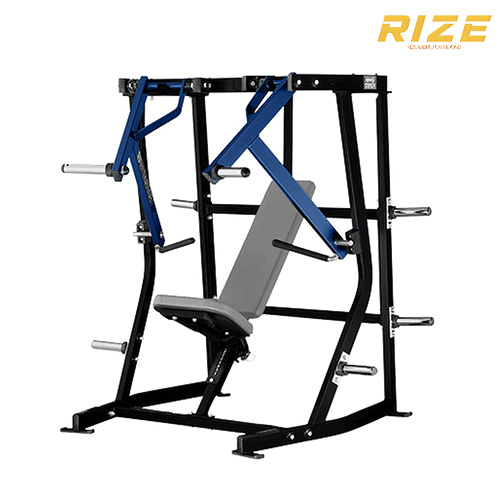
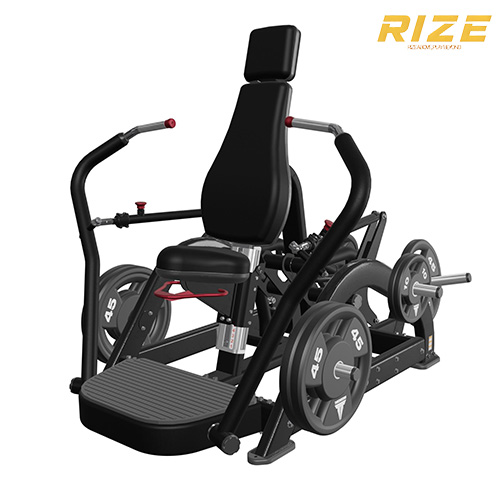
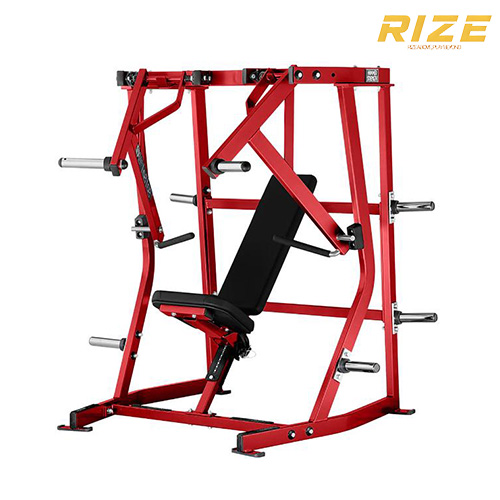
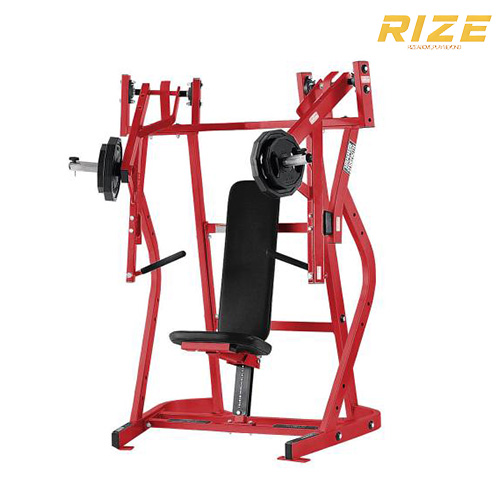
A decline chest press machine is a strength training device designed to target the lower portion of the pectoral muscles. Unlike traditional flat or incline chest press machines, a decline chest press positions the user in a downward-leaning angle—typically between 15 and 30 degrees—which shifts the pressing emphasis to the lower chest (sternal and abdominal heads of the pectoralis major). This machine-based movement replicates the biomechanics of a decline bench press while providing greater stability, controlled resistance, and a fixed pressing path, making it suitable for beginners and advanced lifters aiming to build lower chest strength safely.
Key differences between decline, flat, and incline chest press machines
The primary difference lies in the angle and the area of the chest emphasized:
- Decline chest press machine: Targets the lower chest, with reduced shoulder strain due to the angle. It typically allows users to handle heavier loads because of the shorter range of motion and favorable mechanics.
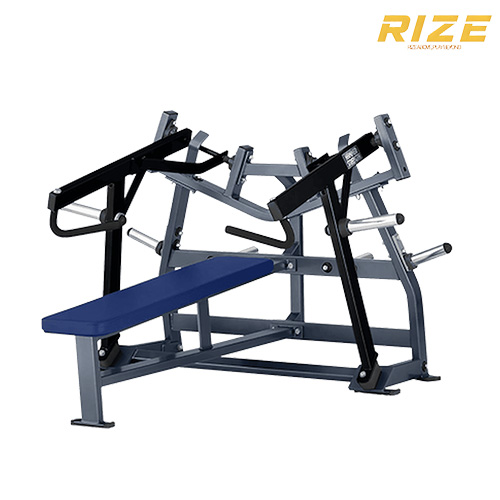
- Flat chest press machine: Engages the entire chest fairly evenly and also activates the triceps and anterior deltoids. It is the most common variation for overall chest development.
- Incline chest press machine: Focuses on the upper chest (clavicular head) and anterior deltoids. The incline position increases range of motion and often reduces the weight lifted compared to flat or decline.
| Variation | Primary Target | Range of Motion | Shoulder Strain | Typical Load Capacity |
|---|---|---|---|---|
| Decline press machine | Lower chest | Shorter | Reduced | Supérieur |
| Flat press machine | Entire chest | Modéré | Modéré | Modéré |
| Incline press machine | Upper chest and front delts | Longer | Supérieur | Inférieur |
Why choosing the right machine matters for muscle development and gym safety
Selecting the appropriate decline chest press machine is crucial for maximizing muscle growth and minimizing injury risk. A well-designed machine provides a biomechanically correct pressing path that aligns with the body’s natural strength curve, ensuring optimal lower chest activation while protecting the shoulders, wrists, and lower back. Proper ergonomics, adjustable features, and durable construction contribute to a safer, more effective training experience, which is especially important in high-traffic commercial gyms where equipment undergoes frequent use.
Benefits of Using Decline Chest Press Machines
Targeted muscle engagement: lower chest focus
The decline angle directly stresses the lower portion of the pectoral muscles, an area often underdeveloped by flat and incline presses. Including decline chest press machines in your training program promotes balanced, full chest development and enhances aesthetics by adding definition to the lower pecs.
Improved upper body strength and posture
Regular use of decline chest press machines strengthens the chest, triceps, and anterior deltoids, which contributes to better pushing performance in exercises such as the flat bench press, overhead press, and push-ups. Stronger chest muscles also help maintain proper posture by counteracting rounded shoulders.
Reduced risk of shoulder strain compared to traditional presses
Compared to flat or incline pressing, the decline position shifts more load to the lower chest and reduces humeral extension, decreasing stress on the shoulder joint. This makes the decline chest press machine a joint-friendly option for individuals with prior shoulder concerns or those looking to minimize shoulder strain while training chest.
Types of Decline Chest Press Machines
Commercial vs home gym decline chest press machines
Commercial decline chest press machines are built for heavy, frequent use, featuring heavy-gauge steel frames, reinforced welds, high-quality cables or bushings, and dense, durable upholstery. They often include fully shrouded weight stacks and robust adjustment systems to withstand continuous operation. Home gym models are generally lighter, compact, and cost-effective, but may not offer the same load capacity, durability, or commercial-grade stability.
Adjustable vs fixed decline chest press machines
Adjustable decline chest press machines allow users to modify the seat height, handle positions, and sometimes the decline angle to accommodate different body sizes and training preferences. This adjustability improves alignment and comfort across a broad user base. Fixed decline machines have a predetermined angle and fewer adjustments, which can simplify operation but may limit versatility in a gym with diverse member profiles.
Plate-loaded vs selectorized decline chest press machines
Chargé de plaques decline chest press machines use Olympic weight plates and are popular among serious lifters who prefer traditional loading and higher resistance potential. They often have integrated weight storage for convenience. Selectorized machines use a weight stack with a pin selection system, enabling quick weight changes and consistent resistance. Selectorized models are ideal for fast-paced commercial settings, while plate-loaded versions can support heavier loads and appeal to experienced strength athletes.
Key Features to Look for in a Decline Chest Press Machine
Frame material and durability
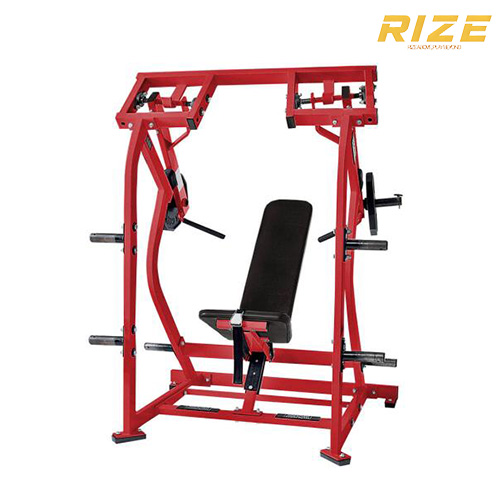
Look for machines constructed from heavy-gauge steel (e.g., 2×3 inch, 11- or 12-gauge) with reinforced welds for long-term stability. Powder-coated finishes resist corrosion and wear. Commercial-grade frames ensure the machine remains steady under heavy use and extend equipment lifespan.
Adjustable seat and range of motion
A multi-position adjustable seat accommodates users of various heights and ensures that handles align with the lower chest for optimal muscle activation. Some machines also offer adjustable range-of-motion stops or variable-resistance cams that modify the strength curve for a more natural feel.
Weight stack system vs free plate loading
Selectorized machines typically feature fully enclosed weight stacks that improve safety and appearance in commercial environments. Plate-loaded machines should include durable weight horns and a stable loading system. The choice depends on your gym’s preferences for adjustment speed, load capacity, and maintenance.
Safety features and ergonomic design
Key safety features include secure grips, controlled movement paths, and built-in protective measures such as fully shrouded stacks or safety stops. Ergonomic design elements—contoured pads, comfortable hand grips, and intuitive adjustments—enhance user experience and reduce injury risk.
Decline Chest Press Machines for Different Users
Beginner-friendly options
For beginners, a decline chest press machine with a guided pressing path, clear instructional placards, and easy-to-use adjustments is ideal. Selectorized models with moderate weight stacks provide a safe entry point for learning proper form and building foundational strength.
Professional gym equipment for advanced users
Advanced lifters and commercial facilities benefit from robust, high-capacity machines—often plate-loaded models—that support heavier loads, offer independent arm movement (iso-lateral designs), and include premium components such as high-strength cables and precision bearings. These machines are engineered for durability and performance under intense use.
Considerations for home gym setups
Home gym owners should prioritize compact footprints, ease of assembly, and sufficient load capacity for their training level. Selectorized or lighter plate-loaded models can be practical choices, as they balance functionality with space constraints. Ensure the machine fits within the available area and allows proper movement around it.
How to Properly Use a Décliner la presse thoracique Machine
Correct posture and grip techniques
- Adjust the seat so that the handles are level with your lower chest when seated. Sit with your back firmly against the backrest and feet flat on the floor.
- Grip the handles with a neutral or overhand grip, depending on the machine’s design. Your elbows should be at a natural angle, approximately 45 degrees from your torso.
- Keep your shoulder blades retracted and your core engaged throughout the movement.
Recommended repetitions and weight progression
Begin with a weight that allows you to complete 8–12 repetitions with proper form. Aim for 3–4 sets. Gradually increase the resistance as you become stronger to promote progressive overload. Avoid sudden jumps in load; incremental adjustments help maintain technique and reduce injury risk.
Erreurs courantes à éviter
- Arching the back: Keep your back pressed against the seat to protect your lower back.
- Locking elbows: Maintain a slight bend at the top to keep tension on the chest muscles.
- Incorrect seat height: Ensure handles align with your lower chest for optimal muscle activation.
- Rushing the movement: Perform each rep with control on both the lowering and pressing phases.
- Overloading: Use manageable weight to preserve form and avoid momentum.
Decline Chest Press Machine Maintenance and Longevity
Regular inspection and cleaning
Wipe down the machine after each use to remove sweat and dust. Perform daily visual checks for loose bolts, fraying cables, or damaged upholstery. Regular cleaning and inspections help identify issues early and extend equipment life.
Lubrication and moving part care
Periodically lubricate pivot points, guide rods, and bushings according to the manufacturer’s recommendations to maintain smooth movement. Inspect cables for wear and replace them if signs of damage appear. Proper lubrication reduces friction and prevents premature component failure.
When to replace worn components
Replace any worn or damaged parts immediately—such as frayed cables, cracked pads, or loose hardware—to ensure user safety and machine performance. Sourcing original manufacturer parts guarantees compatibility and reliability.
Comparing the Best Decline Chest Press Machines on the Market
Popular brands and models
Well-regarded commercial decline chest press machines are offered by reputable manufacturers known for their biomechanical accuracy and durability. Examples include iso-lateral designs that feature independent arm movement, integrated weight storage, and stabilizing seat belts for heavy lifts. Models vary in price, load capacity, and features, so it’s essential to compare based on your gym’s needs.
Manufacturer insights: why quality matters
Choosing a machine directly from a reputable manufacturer ensures better material quality, precision engineering, and access to after-sales support. High-quality components—thick steel frames, aircraft-grade cables, dense padding—contribute to a longer lifespan and reduced maintenance. Established brands often provide warranties that cover frames for years, offering peace of mind for your investment.
Price ranges and value for commercial gyms
Commercial-grade decline chest press machines typically range from $1,500 to over $3,000, depending on features, construction, and brand. Plate-loaded models may cost less initially but do not include weights, while selectorized machines have built-in stacks. Consider the total cost of ownership, including durability and warranty, to assess long-term value for your facility.
Additional Considerations Before Buying
Space requirements and footprint
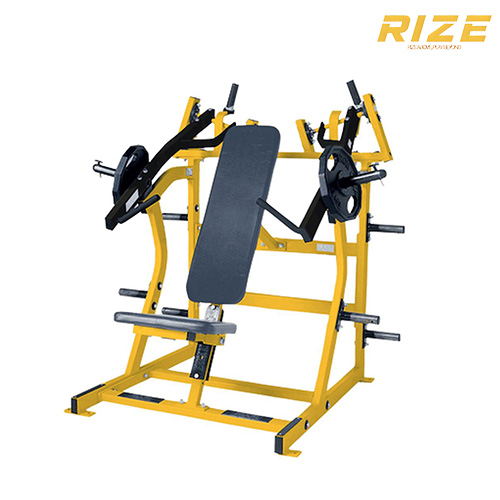
Measure your available floor space and ensure the machine fits comfortably with room for users to move safely. Commercial decline chest press machines often have dimensions around 55–70 inches in length and width. Account for clearance for loading plates and for users to enter and exit the machine.
Warranty and customer support
Look for manufacturers that offer substantial warranties on frames (often 5–10 years) and shorter coverage on parts and upholstery. Responsive customer support and readily available spare parts are crucial for minimizing downtime in a commercial gym.
Compatibility with other gym equipment
Consider how the decline chest press machine integrates with your existing equipment lineup. Ensure it complements other chest stations and aligns with your gym’s layout and training philosophy. Some manufacturers offer matching lines with consistent design and biomechanics for a cohesive equipment suite.
Conclusion
Choisir le bon machine de presse à poitrine déclin is a strategic decision that impacts muscle growth, member safety, and gym performance. A high-quality machine, sourced directly from a reliable manufacturer, provides biomechanically correct pressing, targets the lower chest effectively, and withstands the demands of daily use. By focusing on durable construction, proper ergonomics, and appropriate features for your user base, you invest in long-term value and a superior training experience for your gym members. Choose equipment that combines performance, safety, and longevity to support your gym’s goals and reputation.
FAQ
Q1: What muscles does a decline chest press machine target?
A: A decline chest press machine primarily targets the lower chest muscles (sternal and abdominal heads of the pectoralis major). It also engages the triceps and anterior deltoids as secondary muscles, with reduced activation of stabilizer muscles compared to free-weight decline presses.
Q2: How does a decline chest press machine differ from a flat press machine?
A: Unlike flat press machines that engage the entire chest evenly, decline chest press machines use a downward-angled seat to shift the emphasis to the lower chest. This allows users to lift heavier loads due to the shorter range of motion and reduced shoulder strain compared to flat or incline pressing.
Q3: Are decline chest press machines suitable for beginners?
A: Yes, decline chest press machines can be beginner-friendly. Their guided motion helps maintain proper form, and adjustable settings accommodate different body types. Beginners should start with lighter weights to master technique before progressing to heavier loads.
Q4: What safety features should I look for in a decline chest press machine?
A: Key safety features include fully shrouded weight stacks (for selectorized models), sturdy frame construction, secure hand grips, and stable adjustment levers. Machines with controlled range-of-motion paths and ergonomic design reduce injury risk during training.
Q5: How do I incorporate a decline chest press machine into my workout routine?
A: Include decline chest press machines in your upper-body or chest-focused workouts. Perform 3-4 sets of 8-12 repetitions, pairing them with flat and incline presses for balanced chest development. Focus on controlled movements and progressive overload for optimal results.