
Table of Contents
Quick Answer
Fitness equipment manufacturer decisions require a structured evaluation of the factory processes and records supporting the proposed equipment models against user needs, operating conditions, facility constraints, documentation, service, and acceptance requirements. For international buyers, distributors, project owners, and procurement auditors, the immediate objective is to verify capability and control without relying on a showroom tour or generic presentation. Start with a written brief, compare evidence for the exact model or process, and close every exception before approval.
This guide treats fitness equipment manufacturer planning as a practical commercial decision rather than a marketing exercise. It does not replace model instructions, qualified technical advice, or the laws and standards that apply in a particular location. It gives project teams a repeatable method for asking better questions and preserving decision-ready records.
Start With the Decision, Not the Catalog
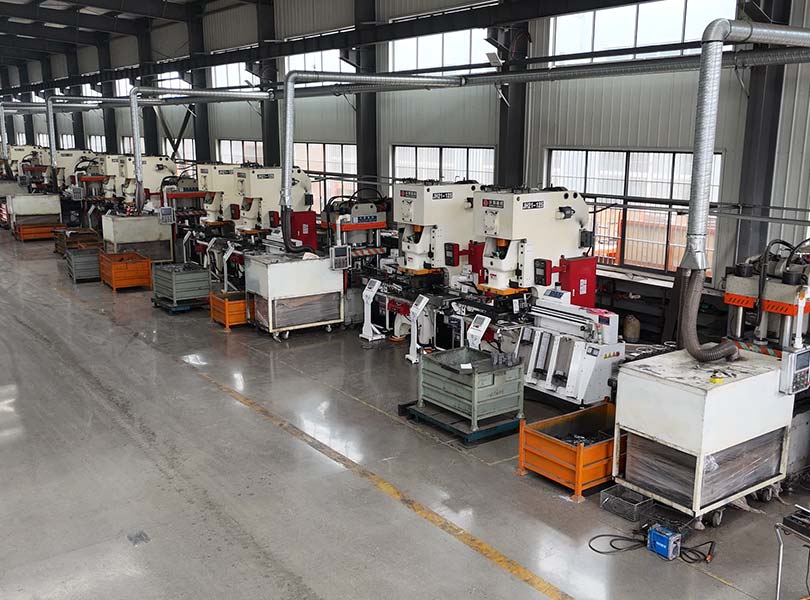
For international buyers, distributors, project owners, and procurement auditors, fitness equipment manufacturer planning needs to begin with a written decision scope. The subject is the factory processes and records supporting the proposed equipment models, and the practical objective is to verify capability and control without relying on a showroom tour or generic presentation. A catalog can show available models or services, but it cannot define the facility’s users, operating conditions, responsibilities, or acceptance criteria.
A decision-ready fitness equipment manufacturer brief records what must be true when the project is complete. It identifies who will use the equipment, how often it will operate, where it will be placed, who will inspect it, and what documents must be handed over. The commercial gym equipment buying guide provides a decision-ready starting point, but the final brief needs to remain specific to the site.
Define the Operating Context
The quality of fitness equipment manufacturer depends on operating context. A lightly supervised hotel room, a membership gym with long opening hours, and a coached strength facility may need different capacity, adjustment, layout, and service arrangements. Preserve the target users, expected busy periods, staff competence, cleaning routine, and local constraints before comparing options.
Use the context to separate requirements from preferences. In fitness equipment manufacturer, a requirement affects safe use, capacity, compatibility, maintenance, or acceptance. A preference may concern color, styling, or a nonessential option. Keeping that distinction visible helps buyers discuss suitable configurations through the commercial fitness equipment range without losing control of the brief.
Build a Model-Specific Evidence Pack
Every high-priority fitness equipment manufacturer statement needs to point to evidence for the exact model, process, or site condition under verification. Useful records include controlled specifications, dimensions, operating instructions, maintenance information, parts identification, warranty terms, inspection criteria, and the responsibilities of each organization.
The ISO 20957-1:2024 overview is a relevant reference for stationary training equipment, but a standards page is not a substitute for model documentation or local compliance verification. Request which document revision applies, who approved it, and how changes will be communicated. Sound fitness equipment manufacturer makes traceability part of the buying and operating process.
Verify the Critical Details
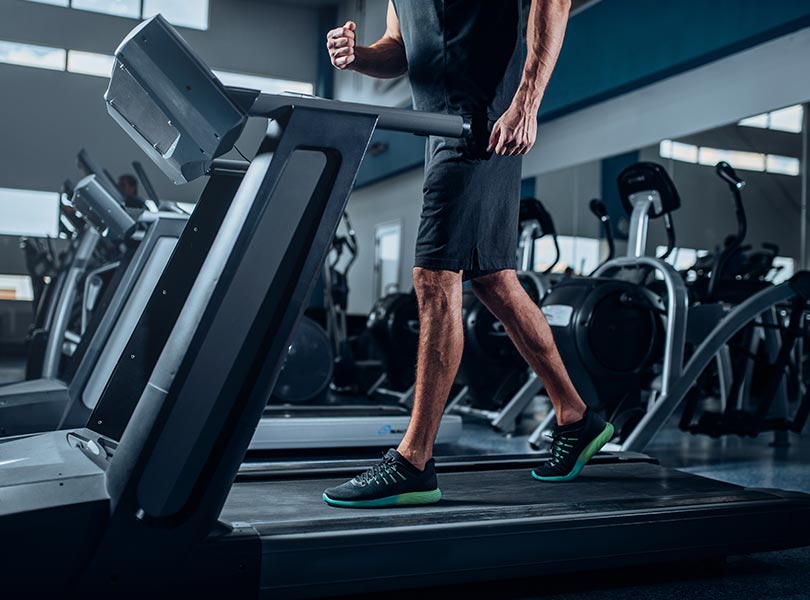
A practical fitness equipment manufacturer verification needs to examine the details most likely to affect users, operations, and service. Work through the equipment or project in a consistent order, then project file exceptions and unanswered questions. The following items form a decision-ready core:
- organization, site scope, responsible roles, subcontracted processes, and model ownership.
- approved drawings, bills of material, specifications, revisions, and change authorization.
- material receipt, identification, storage, fabrication, welding, finishing, and assembly.
- in-process checks, final inspection, nonconformance, rework, and release records.
- packing standards, package identity, loading evidence, and shipping documents.
- manuals, parts lists, warranty process, technical communication, and corrective action.
Do not turn fitness equipment manufacturer into a form that rewards complete boxes rather than decision-ready observations. The U.S. Consumer Product Safety Commission recalls explains why inspection and verification frequency needs to reflect risk, instructions, and experience. Where that guidance is not legally applicable, the planning principle remains valuable.
Connect the Equipment to the Facility
fitness equipment manufacturer does not end at the edge of the machine. The floor, route, power supply, ventilation, lighting, storage, cleaning method, and technician access can determine whether a suitable product works in practice. Show the full operating envelope on the plan, including moving arms, plates, attachments, user positions, and service panels.
Coordinate fitness equipment manufacturer with the broader choices described in the gym equipment maintenance checklist. A technically suitable machine can still create problems when placed in a narrow route, connected to an unsuitable supply, or installed where staff cannot inspect it. Confirm site readiness before delivery, and project file any approved change to model or position.
Plan Inspection, Cleaning, and Service
Ownership requirements belong in fitness equipment manufacturer before approval. Request for the manufacturer instructions, identify daily staff checks, define tasks reserved for competent technicians, and decide how the facility will isolate defects. Cleaning products and methods must suit upholstery, grips, coatings, plastics, displays, labels, and electrical components.
The U.S. Customs and Border Protection import and export guidance provides decision-ready principles for planned maintenance and competent work. A facility can translate those principles into an asset register, inspection schedule, work-order path, and return-to-service approval. Linking fitness equipment manufacturer to the strength training equipment guide prevents service requirements from becoming an afterthought.
Recognize Red Flags Before Approval
Red flags in fitness equipment manufacturer are usually gaps in identity, evidence, responsibility, or follow-through. A polished presentation does not resolve a missing model number, an undefined service task, or a site constraint. Stop and clarify when the proposed solution depends on an assumption that nobody owns.
- treating a clean factory as proof of controlled production.
- reviewing documents that are not tied to the proposed model.
- ignoring subcontracted finishing or component work.
- leaving follow-up actions without evidence, owner, and completion date.
Good fitness equipment manufacturer records the answer, the responsible person, the evidence, and the decision. If a question cannot be closed before ordering, place it in a controlled action log with a deadline and an approval condition. This is more reliable than relying on a later conversation.
Use a Consistent Comparison Matrix
A comparison matrix makes fitness equipment manufacturer easier to verification across departments. Use the same headings for every option and distinguish confirmed evidence, clarifications, exceptions, and unresolved actions. Weighting can be decision-ready, but it needs to never hide a mandatory requirement.
| Verify area | Evidence or planning input | Decision question |
|---|---|---|
| Document control | Model drawings, specifications, revisions, approvals | Current requirements reach production |
| Process control | Materials, fabrication, finish, assembly, identification | Key steps are repeatable |
| Inspection control | Checks, records, defects, rework, release | Nonconforming units are contained |
| Customer support | Packing, manuals, parts, warranty, corrective action | The delivered asset remains supportable |
The matrix needs to explain why an option is suitable, not merely produce a score. During fitness equipment manufacturer, procurement can verification scope, operations can verification usability and service, and technical advisers can verification safety-critical or regulatory matters. Preserve source documents with the final decision.
Field Notes for Fitness Equipment Manufacturer
The following field notes turn fitness equipment manufacturer into a verification sequence for this specific topic. They are deliberately practical: each note identifies what to verify, what to project file, and what decision the evidence needs to support. Adapt the sequence to the applicable model instructions, site, and jurisdiction.
Establish the baseline by reviewing organization, site scope, responsible roles, subcontracted processes, and model ownership. Name the source of the information, the person who verified it, and the revision or date. If the input is provisional, show the condition that must be satisfied before approval.
Confirm approved drawings, bills of material, specifications, revisions, and change authorization. Observe the actual condition or obtain model-specific evidence instead of relying on a family description. Preserve any limit that affects users, layout, service, or acceptance.
Test the proposal against material receipt, identification, storage, fabrication, welding, finishing, and assembly. Request operations staff how this will work during a busy period and request technical staff how it will be inspected. An answer that depends on an informal workaround needs a controlled action.
Assign responsibility for in-process checks, final inspection, nonconformance, rework, and release records. The project project file needs to state who supplies the information, who reviews it, who performs the work, and who confirms completion. This prevents high-priority tasks from disappearing between supplier, installer, and operator.
Preserve evidence for packing standards, package identity, loading evidence, and shipping documents. Useful evidence may include a drawing, manual section, photograph, inspection entry, supplier clarification, or signed acceptance item. Keep it with the asset or project file so later teams can understand the decision.
Close the verification with manuals, parts lists, warranty process, technical communication, and corrective action. Compare the result with the original operating need and note any exception. If the facility cannot maintain the requirement after opening, revise the choice or the operating plan before handover.
The same discipline applies to warning signs. Do not merely list a concern; describe its likely consequence, the immediate control, the evidence needed for closure, and the person authorized to approve the result.
Treat treating a clean factory as proof of controlled production as an evidence gap. Pause the affected decision, identify the missing project file, and keep the item open until the proposed control can be checked.
When you find reviewing documents that are not tied to the proposed model, compare the proposal with the approved brief. The response may require clarification, a layout or scope change, competent assessment, or rejection of the option.
If the verification reveals ignoring subcontracted finishing or component work, document who is exposed to the consequence and when it could occur. That context helps the delivery group assign priority without exaggerating the claim.
Prevent recurrence of leaving follow-up actions without evidence, owner, and completion date by updating the specification, checklist, drawing, training note, or acceptance form that allowed the gap to pass unnoticed.
These notes make fitness equipment manufacturer easier to hand over because the final file explains both the decision and the operating assumptions behind it. Verify the notes again after installation, a major service event, relocation, or a change in facility use.
Protect Accessibility and Safe Use
Accessibility and safe use needs to be visible in fitness equipment manufacturer, not added after positions and models are fixed. Verify routes, approach space, transfers, controls, labels, adjustments, storage, and the availability of meaningful training choices. Local requirements and professional advice determine what applies to a specific project.
For a U.S. project, the HSE work equipment inspection guidance may be one relevant official source depending on the topic and jurisdiction. Other locations require their own legal and technical verification. The role of fitness equipment manufacturer is to capture applicable requirements, assign responsibility, and retain the evidence used for approval.
Create an Approval and Handover Preserve
Close fitness equipment manufacturer with a short approval brief. State the selected scope, model or process identity, exceptions, responsible organizations, site conditions, delivery or implementation plan, acceptance checks, required documents, and open actions. Attach the comparison matrix and the approved source records.
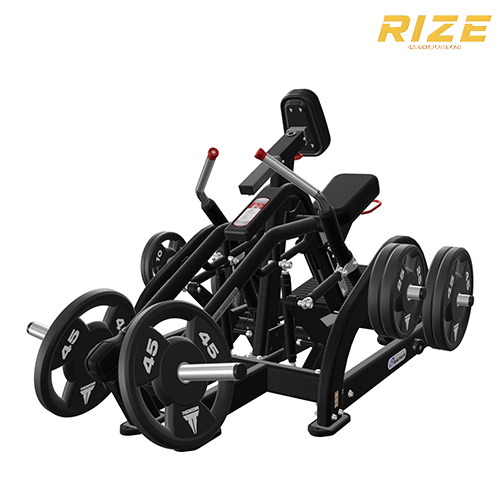
At handover, verify identity, quantity, condition, assembly, position, function, guards, controls, accessories, manuals, warranty information, and asset data as applicable. The contact the Rize Sport team can help resolve model-specific questions before approval. Complete fitness equipment manufacturer only when unresolved items have owners and a controlled closure path.
Frequently Asked Questions
What needs to a fitness equipment manufacturer checklist include?
A fitness equipment manufacturer checklist needs to cover the exact scope, intended users, operating environment, model or asset identity, facility interfaces, inspection and service needs, documents, responsibilities, acceptance evidence, and open actions.
Who needs to be involved in fitness equipment manufacturer?
Include the buyer or owner, facility operations, trainers or user representatives, technical advisers, installers, and service personnel as relevant. fitness equipment manufacturer works best when each person reviews the decisions they will later own.
How early needs to fitness equipment manufacturer begin?
Begin fitness equipment manufacturer before models or positions are fixed. Early verification allows the delivery group to coordinate the factory processes and records supporting the proposed equipment models with the floor, utilities, access, service plan, documents, and project schedule while changes are still manageable.
Which documents support fitness equipment manufacturer?
Use controlled specifications, drawings, manuals, inspection criteria, parts information, warranty terms, supplier clarifications, site drawings, installation records, and acceptance forms. Keep the revision and model identity visible.
What is the main outcome of fitness equipment manufacturer?
The main outcome is a documented decision that helps the delivery group verify capability and control without relying on a showroom tour or generic presentation. It needs to show what was approved, why it is suitable, who is responsible, and how the result will be checked.
Next Step
Effective fitness equipment manufacturer turns a broad intention into a controlled brief, comparable evidence, and an acceptance project file. Keep the user, operating environment, facility interface, maintenance plan, and responsible organizations visible from the first verification through handover.
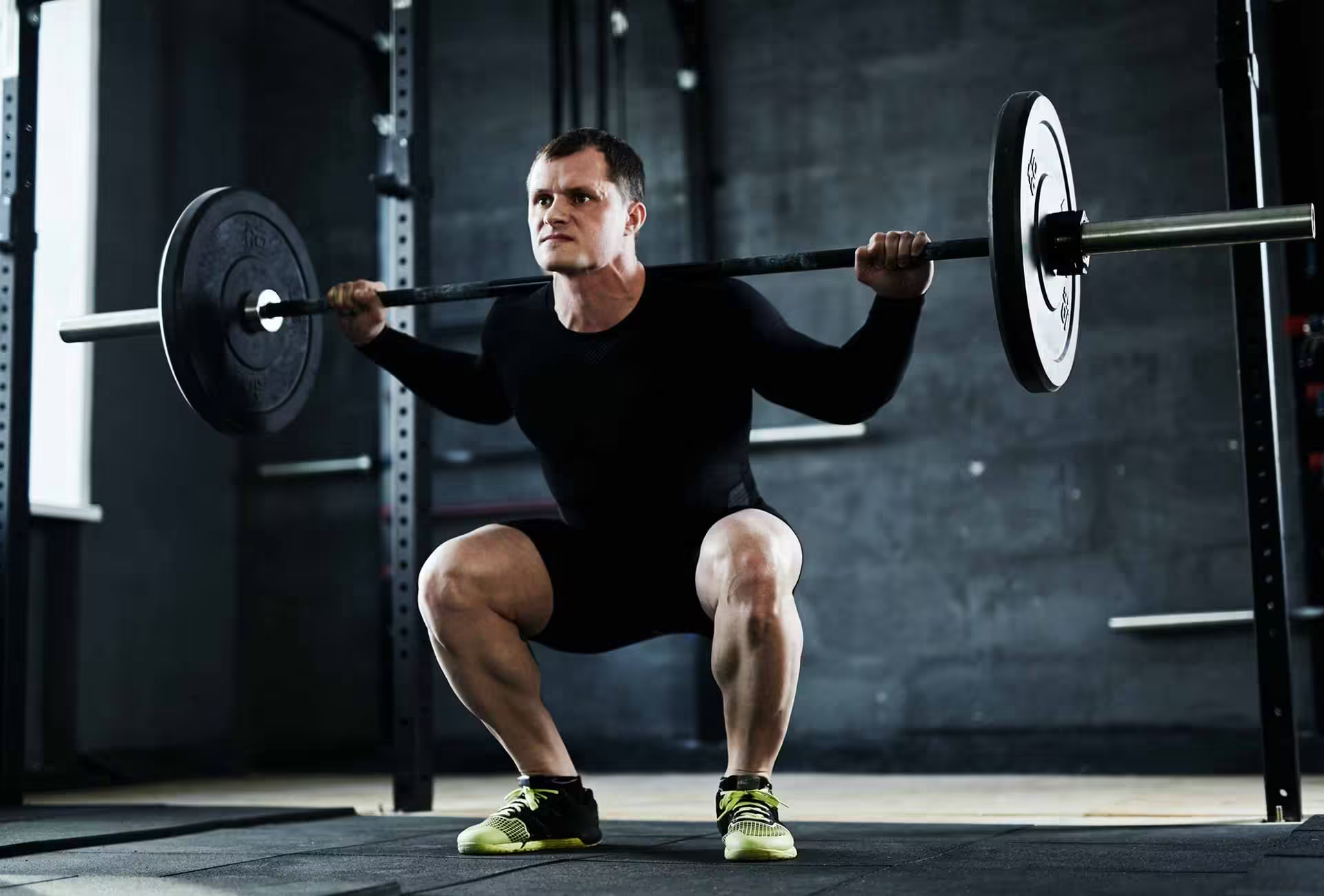
If you are planning a new facility, replacement program, or distributor project, share your equipment schedule, floor plan, target users, and service requirements with Rize Sport. The delivery group can help you compare appropriate configurations and provide model information for your fitness equipment manufacturer verification.