Table of Contents
Introduction
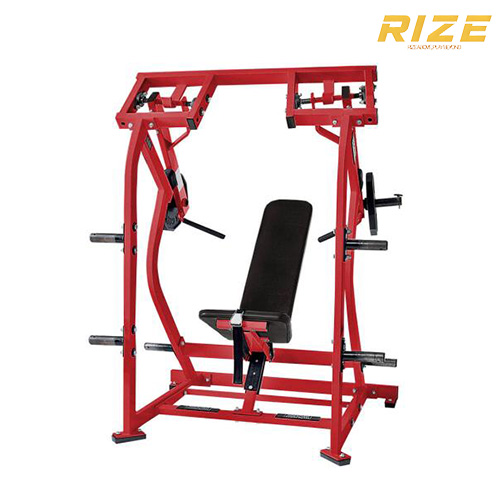
As a professional manufacturer of commercial fitness equipment, we design and produce wide chest press machines for gyms, fitness clubs, and commercial training facilities worldwide. This guide is created to help gym owners, distributors, and fitness investors understand how to evaluate, select, and source the right chest press equipment for long-term business value.
Whether you are building a new gym or upgrading your existing strength training area, choosing the right machine directly impacts member experience, training efficiency, and equipment ROI. Our manufacturing expertise allows us to share practical insights that go beyond marketing claims—focusing on what truly matters for commercial operations.
What Are Wide Chest Press Machines?
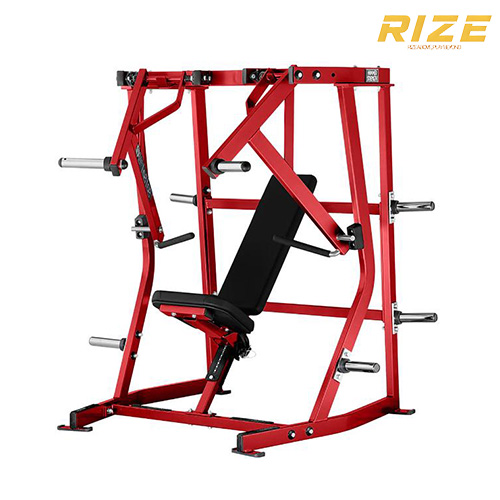
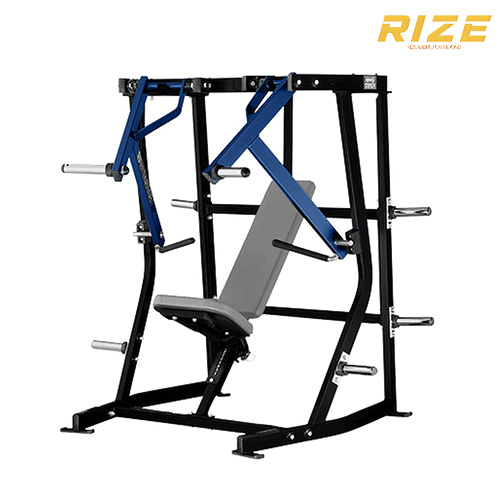
Wide chest press machines are strength training equipment designed to target the chest muscles using a wider pressing range compared to standard machines. Unlike conventional chest press stations, these machines feature a broader grip position that emphasizes outer pectoral development and allows for a deeper stretch during the pressing motion.
Key Design Characteristics
The engineering behind wide chest press machines focuses on several critical elements. First, the wide grip press structure positions handles wider than shoulder-width, shifting emphasis to the outer chest fibers. Second, a fixed motion path ensures safety and consistency, particularly valuable in commercial settings where users have varying experience levels. Third, adjustable seat and backrest accommodate different body types and training preferences. Finally, operators can choose between plate loaded or selectorized systems based on their facility needs.
Primary Muscle Groups Trained
Wide chest press machines primarily target three muscle groups. The pectoralis major receives the most direct stimulation, particularly the outer and lower portions of the chest. Anterior deltoids assist in the pressing motion and help stabilize the shoulder joint. Triceps brachii work as secondary movers, extending the elbow during the push phase.
Research has shown that grip width significantly influences muscle activation patterns. A wider grip increases pectoral engagement while reducing triceps involvement compared to narrower pressing variations. This makes wide chest press machines particularly effective for athletes focused on chest development and aesthetic goals.
Why Gym Owners Prefer Wide Chest Press Machines
Commercial gyms choose this equipment because it delivers both performance and durability—two factors that directly impact member retention and equipment lifecycle costs.
High Member Engagement
Wide chest press machines attract users across all experience levels. Beginners appreciate the guided movement that reduces technical complexity and injury risk. Intermediate users benefit from consistent resistance curves that support progressive overload strategies. Advanced athletes use these machines for targeted chest work and muscle isolation, particularly during bodybuilding phases or rehabilitation periods.
The equipment requires minimal supervision, making it ideal for facilities with high member turnover. Clear instructional placards and intuitive design allow users to adjust settings and begin training without staff assistance. This operational efficiency translates to better space utilization and reduced labor costs.
Commercial Durability
Professional-grade construction separates commercial equipment from home-use alternatives. Heavy-duty steel frames—typically 11-gauge or thicker—provide the structural integrity needed for continuous daily use. High load-bearing capacity ensures the machine performs reliably even under maximum resistance loads.
Manufacturing quality directly affects equipment lifespan. Premium machines feature reinforced welding at stress points, industrial-grade bearings for smooth operation, and corrosion-resistant coatings that withstand humid gym environments. A well-constructed wide chest press machine should provide 8-10 years of service with proper maintenance.
Wide Chest Press Machines vs Standard Chest Press Machines
Understanding the differences helps gym owners make better purchasing decisions based on their specific member demographics and training objectives.
Training Range Comparison
Wide chest press machines offer a broader chest activation angle compared to standard models. The wider starting position allows for greater stretch in the pectoral muscles at the bottom of the movement. This increased range of motion can enhance muscle fiber recruitment and support hypertrophy training goals.
Standard chest press machines typically position handles at shoulder width or slightly narrower. While effective for general pressing strength, this configuration places more emphasis on the triceps and anterior deltoids. For facilities focused on comprehensive chest development, wide grip variations provide targeted muscle stimulation that complements other pressing movements.
Safety and Stability
Both machine types offer significant safety advantages over free-weight alternatives. Machine-guided movement reduces injury risk by controlling the exercise path and preventing improper form. Users can train to failure without requiring a spotter, making these machines particularly valuable in unsupervised or 24-hour facilities.
Wide chest press machines provide additional stability through their fixed trajectory. The predetermined path eliminates lateral movement and reduces shear forces on the shoulder joint. This controlled environment benefits rehabilitation users and athletes recovering from upper body injuries.
User Experience
Wide chest press machines feel more comfortable for beginners and rehabilitation training users. The natural pressing arc aligns with biomechanical movement patterns, reducing joint stress during exercise. Advanced users appreciate the ability to focus on chest contraction without balancing free weights.
Standard chest press machines work well for general fitness populations seeking functional strength. However, facilities targeting bodybuilders, physique competitors, or members focused on chest aesthetics often prefer wide grip variations for their superior muscle isolation properties.
Types of Wide Chest Press Machines Available in the Market
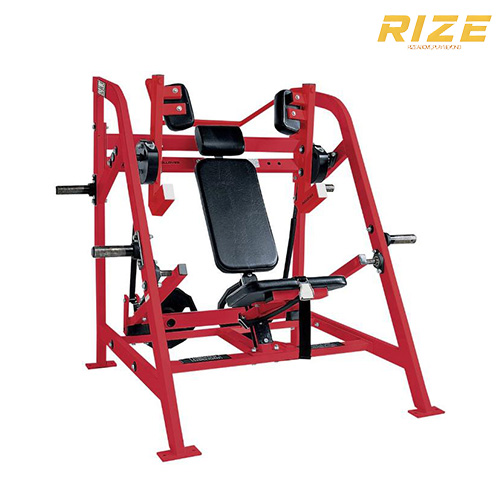
Different gym setups require different machine configurations. Understanding available options helps buyers select equipment that matches their operational requirements and member expectations.
Plate Loaded Wide Chest Press Machines
Plate loaded systems offer several advantages for strength-focused gyms. Users load Olympic plates directly onto weight horns, allowing for incremental resistance adjustments. This flexibility supports progressive overload training programs and accommodates athletes requiring heavier loads than typical weight stacks provide.
The absence of cables and pulleys reduces maintenance requirements and potential failure points. Direct resistance transfer creates a natural training feel that many experienced lifters prefer. From a cost perspective, plate loaded machines typically offer lower upfront investment compared to selectorized alternatives.
Commercial buyers should evaluate frame construction, weight horn capacity, and pivot point quality. Premium plate loaded machines feature independent arm movement for unilateral training, multiple grip positions, and ergonomic handle angles that reduce wrist strain.
Selectorized Chest Press Machines
Selectorized systems provide quick resistance adjustment through a weight stack and selector pin. This convenience makes them ideal for commercial fitness clubs where members frequently change exercises and resistance levels. The streamlined design eliminates the need for loose plates, reducing equipment clutter and improving gym aesthetics.
Weight stacks typically range from 150-300 lbs depending on the model. Higher capacity stacks accommodate stronger users while maintaining smooth operation through quality cable systems and pulleys. Look for nylon-coated cables, sealed bearings, and enclosed weight stacks that protect components from dust and moisture.
Selectorized machines excel in high-traffic facilities where user turnover is rapid. Members can adjust resistance in seconds without handling weight plates, maintaining workout flow and equipment availability.
Dual-Function Strength Machines
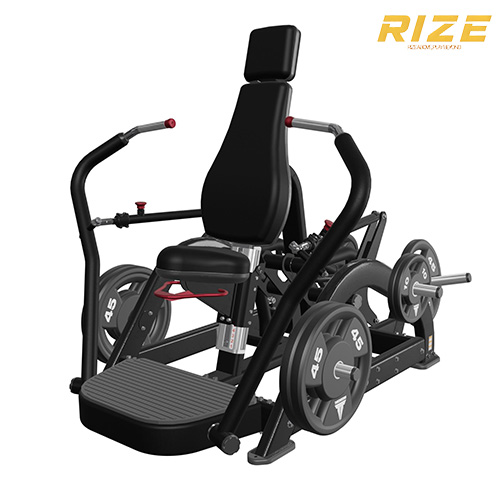
Space-saving designs combine chest press and shoulder press functions in a single unit. These versatile machines suit compact gyms, hotel fitness centers, and boutique studios where floor space is limited. Users simply adjust the seat position and press arms to transition between exercises.
While dual-function machines offer flexibility, they may compromise on biomechanics compared to dedicated single-function units. Evaluate the movement quality for both exercises before selecting this option. Premium dual-function machines maintain natural pressing paths for chest and shoulder movements while providing seamless transitions.
Comparison: Plate Loaded vs Selectorized Wide Chest Press Machines
| Feature | Plate Loaded | Selectorized |
|---|---|---|
| Resistance Adjustment | Manual plate loading | Pin-select weight stack |
| Maximum Load Capacity | Unlimited (plate dependent) | Fixed stack weight (150-300 lbs typical) |
| Maintenance Requirements | Lower (fewer moving parts) | Moderate (cables, pulleys) |
| Space Efficiency | Larger footprint | More compact |
| Training Feel | Direct, natural resistance | Smooth, consistent resistance |
| User Convenience | Requires plate handling | Quick adjustment |
| Ideal Application | Strength-focused facilities | High-traffic commercial gyms |
| Initial Cost | Lower | Higher |
Materials and Manufacturing Quality Standards
As a manufacturer, material selection is critical for machine performance and lifespan. Commercial gym equipment must withstand thousands of training cycles while maintaining structural integrity and user safety.
Frame Structure
High-grade steel tubing forms the foundation of commercial-grade machines. We use Q235 steel or equivalent grades with wall thickness of 3mm or greater for main frame components. This material provides the strength-to-weight ratio needed for heavy-duty use without excessive machine weight.
Anti-rust coating and powder finishing protect the frame from corrosion caused by sweat, humidity, and cleaning chemicals. Double-layer electrostatic powder coating offers superior durability compared to single-coat alternatives. Premium finishes resist scratching, chipping, and fading throughout the equipment’s lifespan.
Welding and Assembly
Precision robotic welding ensures consistent joint strength across production runs. Automated welding produces cleaner, stronger bonds compared to manual techniques, reducing the risk of weld failure at stress points. Reinforced load-bearing joints undergo additional inspection to verify structural integrity.
Assembly quality affects long-term performance. Loose bolts, misaligned components, and poor cable routing lead to premature wear and potential safety hazards. Professional manufacturers implement quality control checkpoints throughout the assembly process, testing each unit before shipment.
Upholstery and Comfort Design
User comfort directly impacts member satisfaction and equipment utilization. High-density foam padding provides support during heavy pressing without bottoming out. Foam density of 30-40 kg/m³ offers the right balance of comfort and durability for commercial applications.
Sweat-resistant PU leather covers the padding and resists moisture absorption. This material cleans easily and maintains appearance despite daily exposure to perspiration and cleaning products. Double-stitched seams and reinforced attachment points prevent upholstery failure in high-use areas.
Key Features to Look for Before Purchasing
Gym owners should evaluate equipment based on functionality and long-term reliability. These features separate professional-grade machines from budget alternatives.
Ergonomic Motion Path
Natural pressing movement reduces joint strain and enhances muscle engagement. The machine’s arm pivot point should align with the shoulder joint during exercise. Converging arm designs—where handles move toward each other during the press—mimic the natural arc of a dumbbell press and provide superior chest contraction at the top of the movement.
Test the motion path yourself before purchasing. Quality machines feel smooth throughout the entire range without sticking points or excessive resistance changes. The pressing path should match your natural arm movement without forcing unnatural angles.
Adjustable Settings
Versatility accommodates diverse user populations. Seat height adjustment is essential—look for models offering 8-12 positions to fit users from 5’0″ to 6’6″ tall. Backrest angle adjustment allows for slight incline variations, targeting different chest regions.
Handle position adjustment provides multiple grip options. Some machines offer both wide and narrow grip positions on the same unit, expanding exercise variety without additional equipment. Adjustable footrests and leg rollers help stabilize users during heavy pressing.
Weight Capacity
Commercial-grade machines should support heavy training loads. Evaluate both the maximum resistance capacity and the structural load rating. For plate loaded machines, verify the weight horn capacity per arm—premium models accommodate 4-6 Olympic plates per side.
Selectorized machines should offer weight stacks of at least 200 lbs for general populations, with 250-300 lb stacks preferred for strength-focused facilities. The resistance should feel consistent throughout the range without cable slack or weight stack rattling.
Pricing Factors of Wide Chest Press Machines
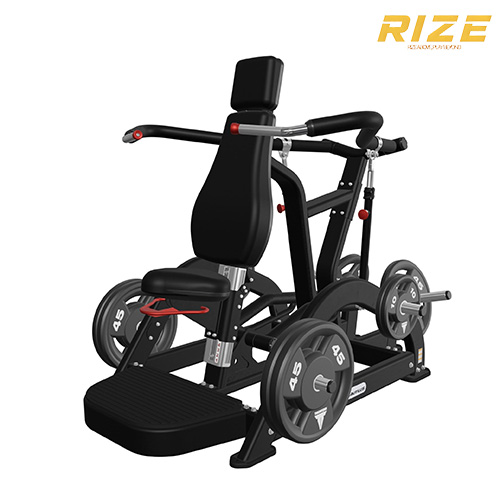
Pricing varies depending on structure, configuration, and manufacturing standards. Understanding cost drivers helps buyers evaluate value propositions and avoid overpaying for unnecessary features.
Material Cost
Steel quality and thickness directly influence price. Lower-cost machines may use thinner tubing (2mm or less) that compromises structural integrity. Premium manufacturers invest in heavier-gauge steel that withstands commercial use without flexing or deformation.
Finish quality affects both appearance and durability. Basic powder coating costs less but chips more easily than premium multi-layer finishes. Consider the long-term cost of refinishing or replacing machines with inferior coatings.
Machine Type
Plate loaded systems typically cost less than selectorized alternatives due to simpler construction. However, total cost of ownership should factor in weight plates—budget for 4-6 plates per side if your facility doesn’t have spare Olympic plates available.
Selectorized machines command higher prices due to weight stack mechanisms, cable systems, and more complex assembly. Premium brands offer smoother operation and longer component life, justifying higher upfront costs through reduced maintenance and longer service intervals.
OEM Customization
Branding, color, and design customization affect final cost. Standard models with stock colors and minimal branding offer the best value. Custom frame colors, logo placement, and upholstery options typically add 5-15% to the base price but help establish facility identity.
Why Buying Direct from Manufacturer Matters
Working directly with a manufacturer ensures better control over cost and quality. Direct relationships provide advantages that distributors and resellers cannot match.
Factory Pricing Advantage
Direct purchasing eliminates distributor markups that add 20-40% to equipment costs. Manufacturers can offer competitive pricing while maintaining quality standards, passing savings to gym owners and project contractors.
Volume discounts reward larger orders. Manufacturers often provide tiered pricing based on order quantity, making direct purchasing more attractive for facility builds and equipment upgrades involving multiple units.
Custom OEM Solutions
Logo branding, frame color, and structural adjustments become possible when working directly with manufacturers. Custom upholstery colors match facility aesthetics, while branded weight stacks and instructional placards reinforce gym identity.
Some manufacturers offer semi-custom designs that modify existing models to meet specific requirements. This approach provides customization benefits without the full cost of completely custom tooling and engineering.
Quality Control Process
Strict inspection during production ensures consistent product standards. Direct buyers can request quality documentation, material certifications, and production photos. This transparency builds confidence and reduces the risk of receiving substandard equipment.
Manufacturers also provide better post-sale support. Direct access to engineering teams, spare parts departments, and technical support resources accelerates problem resolution compared to third-party distributors.
Wide Chest Press Machines for Commercial Gym Projects
These machines are widely used in different commercial fitness environments, each with specific requirements and operational considerations.
Fitness Clubs and Gyms
Wide chest press machines serve as core strength training equipment for members. Commercial gyms typically position these machines near other pressing stations—bench presses, incline presses, and shoulder presses—to create dedicated upper body training zones.
High-traffic facilities benefit from selectorized models that accommodate rapid member turnover. Strength-focused gyms often prefer plate loaded variations for their durability and unlimited resistance capacity.
Hotels and Resorts
Compact strength systems suit guest fitness areas with limited space. Hotels prioritize equipment that requires minimal staff supervision and maintenance. Selectorized wide chest press machines with enclosed weight stacks and clear instructional graphics meet these requirements effectively.
Design aesthetics matter in hospitality settings. Premium finishes and modern styling complement upscale facility environments. Some manufacturers offer hospitality-specific models with enhanced corrosion resistance for humid poolside locations.
Sports Training Centers
Athlete strength development programs incorporate wide chest press machines for targeted chest work. Sports facilities often prefer plate loaded models that accommodate heavier loads and provide more natural training feel.
Adjustable settings allow coaches to customize exercise positions for different sports and athlete sizes. Some training centers request specialized configurations—such as additional grip positions or modified resistance curves—to match sport-specific requirements.
Shipping, Installation, and After-Sales Support
Reliable logistics and support are essential for international buyers. Equipment procurement extends beyond purchase price to include transportation, assembly, and ongoing maintenance.
Global Shipping Options
Sea freight remains the most cost-effective option for international equipment orders. Manufacturers experienced in export can optimize container loading to minimize shipping costs per unit. Full container loads (FCL) offer better rates than less-than-container (LCL) shipments.
Proper packaging protects equipment during transit. Premium manufacturers use wooden crates, foam padding, and corrosion inhibitors to prevent shipping damage. Request packaging specifications and insurance options for valuable equipment orders.
Installation Guidance
Assembly manuals and technical support simplify installation. Clear documentation with step-by-step instructions, torque specifications, and alignment guides enables local teams to assemble equipment correctly. Video support and remote assistance help resolve questions during assembly.
Some manufacturers offer on-site installation services for large projects. This option adds cost but ensures proper setup and reduces installation time. Consider installation support when comparing manufacturer quotes.
After-Sales Service
Spare parts availability and long-term support systems protect equipment investments. Choose manufacturers with established parts inventories and responsive customer service. Confirm warranty coverage—frame warranties of 5-10 years and component warranties of 1-3 years are typical for commercial equipment.
Technical support for troubleshooting and maintenance questions should be accessible through multiple channels—phone, email, and messaging platforms. Quick response times minimize equipment downtime and member complaints.
How This Equipment Helps Improve Gym ROI
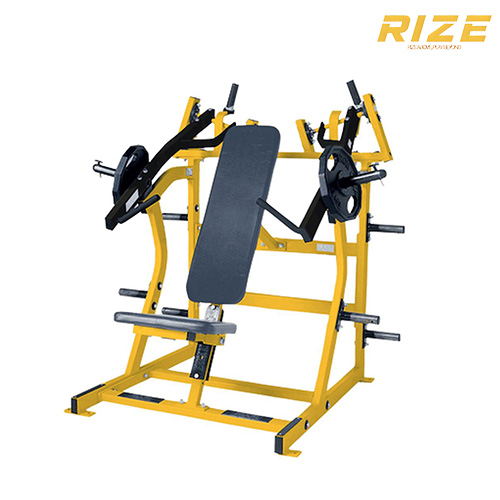
Investing in the right strength equipment increases member retention and business value. Equipment selection affects both operational costs and revenue generation.
Increased Member Satisfaction
Better equipment leads to higher usage rates. Members appreciate smooth operation, comfortable design, and effective muscle targeting. Wide chest press machines that deliver results keep members engaged and motivated, reducing attrition rates.
Member feedback and equipment utilization data help optimize machine selection. Track usage patterns to identify popular stations and underperforming equipment. Investing in high-demand machines maximizes member satisfaction per equipment dollar.
Long-Term Durability
Quality construction reduces maintenance and replacement costs. Commercial-grade machines designed for continuous use require less frequent repairs and provide longer service life. Calculate total cost of ownership—including maintenance, parts, and eventual replacement—when evaluating equipment investments.
Preventive maintenance programs extend equipment lifespan. Regular lubrication, cable inspection, and upholstery cleaning prevent premature wear. Manufacturers often provide maintenance schedules and recommended service intervals.
Competitive Advantage
Modern equipment helps gyms attract more customers. Updated strength training floors differentiate facilities from competitors with older equipment. Wide chest press machines featuring current design trends and advanced biomechanics signal facility quality to prospective members.
Marketing opportunities arise from premium equipment. Highlight equipment brands, features, and benefits in promotional materials. Quality machinery supports premium pricing strategies and attracts members willing to pay for superior training environments.
Conclusion
Wide chest press machines represent essential equipment for commercial gyms seeking to provide effective, safe, and engaging strength training options. Understanding design characteristics, manufacturing quality, and operational considerations enables informed purchasing decisions that deliver long-term value.
As manufacturers, we’ve designed this guide to help gym owners, distributors, and project contractors evaluate options based on actual needs rather than marketing hype. Focus on frame construction, motion path quality, adjustment versatility, and manufacturer support when selecting equipment.
The right wide chest press machine enhances member experience, reduces operational costs, and contributes to facility success. Whether outfitting a new gym or upgrading existing equipment, investing in quality machinery pays dividends through increased member satisfaction, reduced maintenance, and improved competitive positioning.
For facility-specific recommendations, customization options, or detailed quotations, contact our equipment specialists. We’re committed to helping you select the right machines for your unique requirements and budget constraints.
FAQ
Q: What muscles do wide chest press machines target?
A: Wide chest press machines primarily target the pectoralis major (chest muscles), with secondary engagement of the anterior deltoids (front shoulders) and triceps brachii. The wider grip position emphasizes the outer chest region more than standard chest press machines.
Q: What’s the difference between plate loaded and selectorized wide chest press machines?
A: Plate loaded machines require users to manually load Olympic plates, offering unlimited resistance and lower maintenance. Selectorized machines feature a weight stack with pin selection, providing quick resistance adjustment and easier operation—ideal for high-traffic commercial gyms.
Q: Are wide chest press machines suitable for beginners?
A: Yes, wide chest press machines are excellent for beginners. The guided motion path reduces injury risk, eliminates the need for a spotter, and helps users maintain proper form while building chest strength safely.
Q: How much space do commercial wide chest press machines require?
A: Most commercial wide chest press machines require approximately 50-60 square feet (4.5-5.5 square meters) of floor space, including clearance for movement. Compact models and dual-function units can reduce space requirements by up to 30%.
Q: What’s the typical lifespan of a commercial-grade wide chest press machine?
A: A high-quality commercial wide chest press machine typically lasts 8-10 years with proper maintenance. Premium models featuring heavy-duty steel frames, quality bearings, and durable upholstery can exceed this lifespan in well-maintained facilities.