Table of Contents
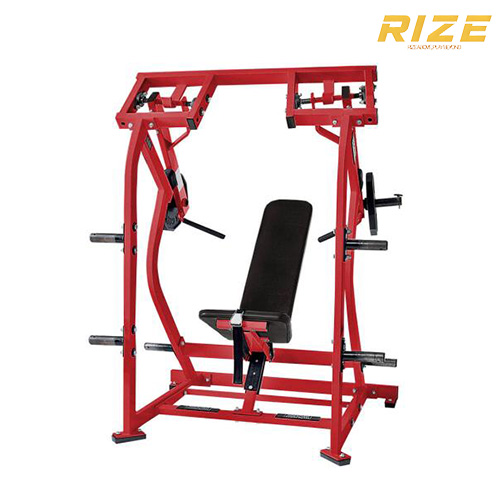
A vertical chest press machine is a staple in many commercial gyms and fitness centers. It offers a controlled pressing motion that targets the chest muscles with a stable and safe design. As a manufacturer of commercial fitness equipment, we have seen firsthand how these machines support strength training programs, improve user safety, and provide long-term reliability. In this guide, we will explain how vertical chest press machines work, compare them with other chest press equipment, and outline the key features to look for when selecting one for a gym.
What Is a Vertical Chest Press Machine?
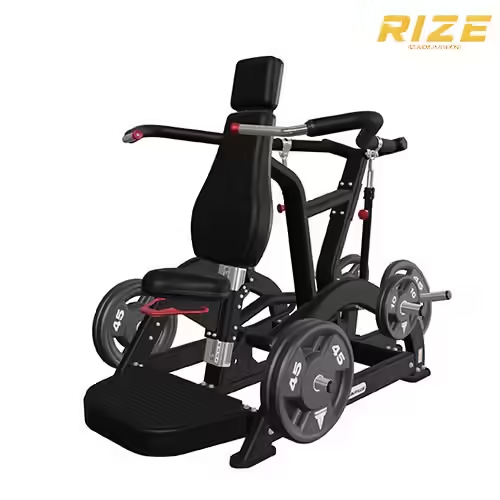
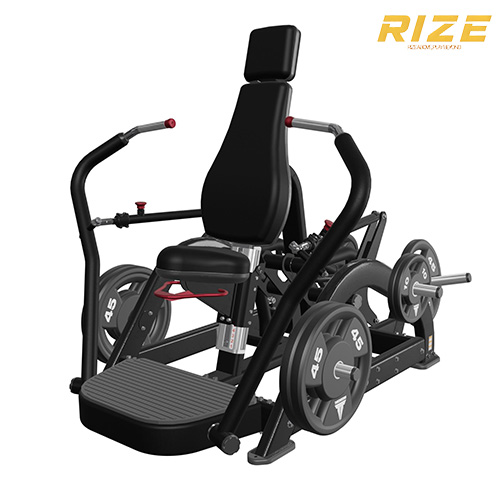
A vertical chest press machine is a strength training device designed to work the chest muscles by pressing weights in a vertical path. Unlike free-weight bench presses, which require the user to balance the weight, a vertical chest press machine uses a guided movement path that helps maintain correct form and reduces the risk of injury. This makes it a popular choice for commercial gym equipment, especially for members who may be new to strength training.
Basic Structure and Function
Most vertical chest press machines feature a sturdy frame, an adjustable seat, and handles connected to a weight stack or plate-loaded resistance system. The user sits upright and pushes the handles forward and upward, following a fixed path. This movement is designed to align with the natural motion of the chest and shoulder muscles, allowing for effective training without the need for spotters.
How It Fits Into Modern Strength Training
In modern strength training programs, the vertical chest press machine is often used as a primary or supplementary exercise for chest development. It is suitable for beginners and advanced users alike because it provides consistent resistance and helps maintain proper form. In busy commercial gyms, it also supports high member turnover by being simple to use and quick to set up.
How a Chest Press Machine Works
Understanding the mechanics behind a chest press machine can help gym owners and trainers choose the right equipment for their facility. The machine’s design focuses on stability, controlled motion, and adjustable resistance.
Pressing Path and Movement Mechanics
The pressing path is a key difference between chest press machines and other chest training options. The vertical path keeps the motion aligned with the shoulders and chest, reducing unnecessary strain on the joints. Because the movement is guided, users can focus on muscle engagement rather than balancing the weight.
Resistance Systems Explained
Vertical chest press machines typically use one of two resistance systems: weight stacks or plate-loaded setups.
- Weight stack systems are common in commercial gym equipment because they allow quick weight adjustments and are easy to use for members of all levels.
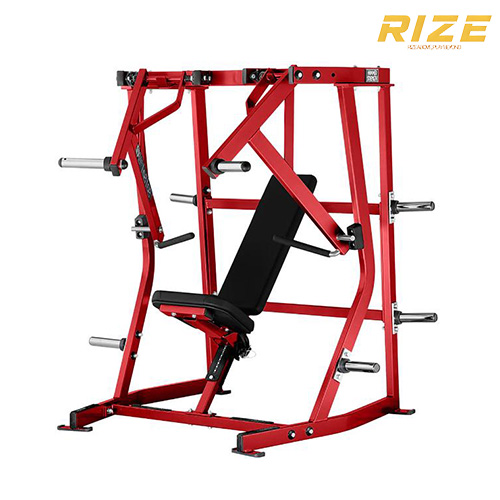
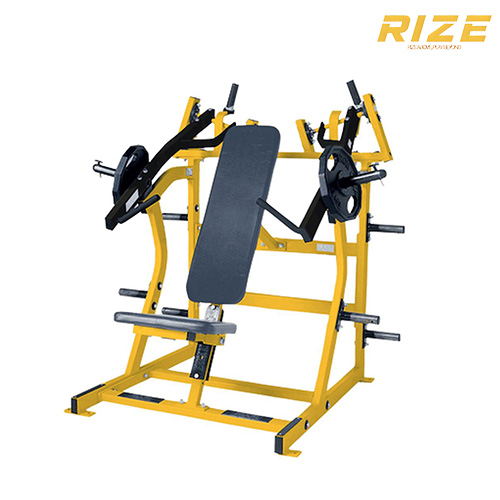
- Plate-loaded configurations offer a more traditional weightlifting feel and can provide a higher maximum load, which is preferred by advanced lifters and performance training facilities.
Both systems have their advantages, and the best choice depends on the gym’s training goals and user base.
Muscles Targeted by a Vertical Chest Press Machine

A vertical chest press machine primarily targets the chest muscles but also engages supporting muscle groups. This makes it a versatile strength training machine for both commercial gyms and private training facilities.
Primary Muscle Groups
The main muscles worked during a vertical chest press include:
- Pectoralis major – the primary chest muscle responsible for pushing movements
- Anterior deltoids – the front part of the shoulder that assists in pressing
Secondary Muscle Engagement
Secondary muscles also contribute to the movement, including:
- Triceps – support elbow extension during the press
- Core muscles – help stabilize the body and maintain correct posture
Vertical Chest Press Machine vs Bench Press
One of the most common questions gym owners and trainers ask is whether a vertical chest press machine is better than a bench press. The answer depends on the goals of the user and the environment of the gym.
Safety and Stability Comparison
A vertical chest press machine offers greater stability than free weights, making it a safer option for beginners and high-traffic commercial gyms. Because the movement is guided, users are less likely to experience form breakdown or require a spotter, which improves safety and reduces the risk of injury.
Training Efficiency in Busy Gyms
In busy fitness centers, a vertical chest press machine is often more efficient because it allows users to adjust weight quickly and start training without setup time. This is especially important during peak hours when equipment needs to be accessible and easy to use for members of varying experience levels.
Vertical vs Horizontal Chest Press Machine
Another comparison that often comes up is the difference between vertical and horizontal chest press machines. Both are valuable commercial gym equipment, but they serve slightly different training needs.
Differences in Pressing Angle
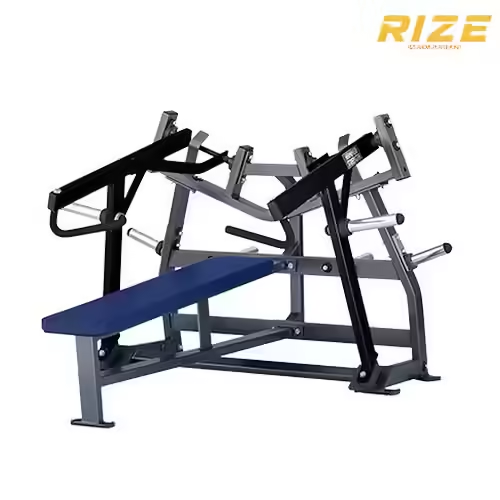
A chest press machine presses in an upward path, while a horizontal chest press machine presses forward in a more traditional chest press motion. The vertical angle can reduce shoulder stress and is often preferred for users who need a more controlled movement.
User Experience and Comfort
Vertical chest press machines typically offer an upright seating position, which may feel more comfortable for some users. Horizontal machines can feel more like a traditional bench press, which some members prefer for a more natural pressing motion.
Why Commercial Gyms Choose Vertical Chest Press Machines
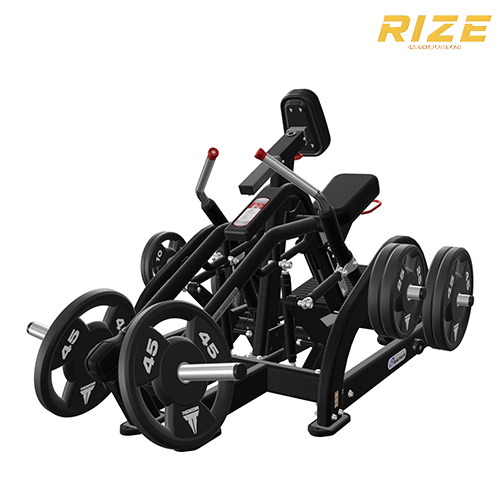
Commercial gyms choose chest press machines for several reasons, including durability, user safety, and efficient floor space use. These machines are designed for frequent use and long-term reliability, making them a strong investment for gym owners.
Space Efficiency in Gym Floor Planning
Vertical chest press machines generally have a compact footprint, which helps gym owners maximize available space. This is particularly important for facilities with limited floor area, where efficient layout planning is essential.
Durability for High-Frequency Use
Commercial gym equipment must withstand heavy daily use, and chest press machines are built to meet that demand. High-quality materials, reinforced frames, and professional manufacturing standards contribute to long-lasting performance.
Key Features to Look for in a Commercial Vertical Chest Press Machine
When selecting a vertical chest press machine for a commercial gym, it is important to consider features that impact safety, comfort, and long-term value.
Frame Material and Construction
The frame material and construction quality directly affect the machine’s durability. Heavy-duty steel frames with reinforced welding and corrosion-resistant finishes are ideal for commercial environments. A solid frame also reduces vibration and ensures stability during heavy use.
Adjustability and Ergonomic Design
Ergonomic design is essential for user comfort and proper biomechanics. Adjustable seat height, handle position, and back support allow users of different sizes to maintain correct form. This also reduces the risk of injury and improves training effectiveness.
Weight Capacity and Load Options
A commercial vertical chest press machine should offer a suitable weight range for a wide range of users. Gyms that cater to serious strength training will benefit from higher maximum load options, while general fitness centers may prioritize smooth resistance adjustments and user-friendly design.
Manufacturing Standards Behind High-Quality Vertical Chest Press Machines
As a manufacturer, we understand that high-quality equipment is not just about appearance—it is built on engineering, testing, and consistent quality control.
Design and Engineering Considerations
High-quality vertical chest press machines are designed with biomechanics in mind. This includes analyzing user motion paths, stress points on the frame, and handle ergonomics. Proper engineering ensures the machine supports safe and effective workouts for a wide range of users.
Quality Control in Fitness Equipment Manufacturing
Quality control is essential for commercial fitness equipment. Reliable manufacturers implement structural testing, component inspections, and assembly checks to ensure each machine meets safety and performance standards. This reduces downtime and ensures consistent performance over time.
Common Applications of Vertical Chest Press Machines
Vertical chest press machines are used in many settings, each with different training requirements and usage patterns.
Commercial Fitness Centers
Commercial gyms use vertical chest press machines as part of their strength training area. The machine supports a wide range of members, from beginners to advanced users, and helps maintain a consistent training environment.
Professional Training Facilities
Athlete training centers and performance facilities may use chest press machines as part of their structured strength programs. The controlled movement and adjustable resistance make it a useful tool for targeted chest development.
How to Choose the Right Vertical Chest Press Machine for Your Gym
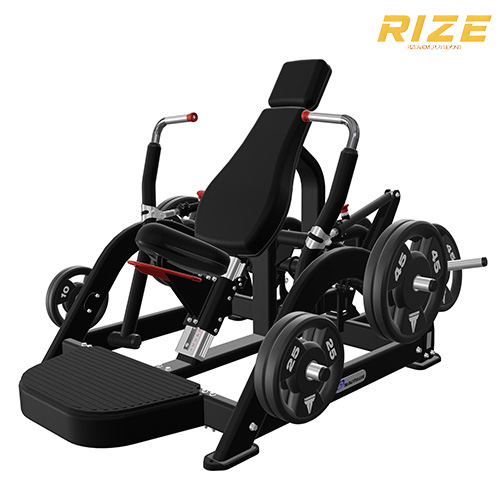
Choosing the right chest press machine involves evaluating the gym’s goals, user base, and long-term needs.
Matching Equipment to Gym Size and User Volume
A small studio may prioritize compact equipment with easy adjustment, while a large fitness center may require heavier-duty machines that withstand frequent use. Understanding member needs and training styles helps select the right equipment.
Evaluating Long-Term Value
Long-term value is a key consideration for commercial gym owners. Durable materials, low maintenance requirements, and reliable manufacturing standards contribute to the machine’s lifespan. Choosing high-quality equipment reduces repair costs and improves member satisfaction over time.
Comparison Table: Key Features of Vertical Chest Press Machines
| Feature | What to Look For | Why It Matters |
|---|---|---|
| Frame Material | Heavy-duty steel, reinforced welding | Ensures durability and stability |
| Resistance Type | Weight stack or plate-loaded | Determines training style and load range |
| Seat Adjustability | Multiple positions, ergonomic design | Supports users of different sizes |
| Handle Design | Comfortable grip, proper alignment | Reduces strain and improves biomechanics |
| Maximum Load | High capacity for advanced users | Suitable for commercial strength training |
Conclusion
A vertical chest press machine is a valuable addition to any commercial gym or fitness center. Its controlled movement, ergonomic design, and stable construction make it suitable for users of all levels, from beginners to advanced athletes. From a manufacturing perspective, the quality of materials, engineering design, and consistent quality control are essential to ensure long-term performance and user safety. For gym owners, choosing the right vertical chest press machine means balancing durability, user experience, and training goals. With the right equipment, a vertical chest press machine can provide reliable chest development and contribute to a complete strength training area in any commercial facility.
FAQ
Q1: What is a vertical chest press machine?
A vertical chest press machine is a strength training equipment that targets the chest by pressing weights along a guided vertical path. It offers stable support and controlled movement, making it suitable for commercial gyms and fitness centers.
Q2: What muscles does a vertical chest press machine work?
It primarily targets the pectoralis major (chest muscles) and anterior deltoids (front shoulders), while also engaging the triceps and core for stabilization.
Q3: How is a vertical chest press machine different from a bench press?
Unlike a bench press, a vertical chest press machine uses a guided movement path, which improves stability and reduces the need for a spotter. It also tends to be safer for beginners and high-traffic commercial gyms.
Q4: Should a commercial gym choose a weight stack or plate-loaded vertical chest press machine?
Weight stack machines are easier to adjust and more user-friendly for general gym members, while plate-loaded models offer higher maximum load and a more traditional lifting feel for serious strength training.
Q5: What features should I look for when buying a vertical chest press machine?
Look for a heavy-duty steel frame, ergonomic seat and handle design, adjustable settings, and reliable manufacturing standards to ensure durability and comfort in commercial use.