Welcome to My Blog!
Before we dive into the content, if you’re interested in our products or have any questions, please feel free to visit our Contact Us page on the website. Our team is ready to assist you with inquiries, orders, or any support you may need.
Now, let’s get started on our journey together. I hope you find the content here insightful, engaging, and valuable.
Table of Contents
Choosing the right sitting chest press machine for your gym can be a game-changer for both beginners and seasoned fitness enthusiasts. A properly selected machine not only improves chest strength but also enhances overall upper body conditioning while reducing the risk of injury. This guide will help you understand the key factors to consider when choosing the perfect sitting chest press machine for your home or commercial gym.
Understanding the Sitting Chest Press Machine
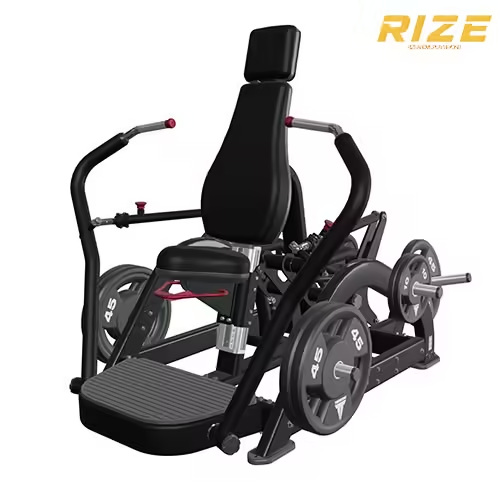
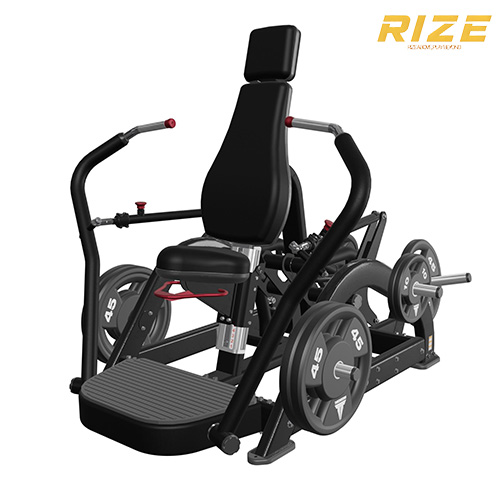
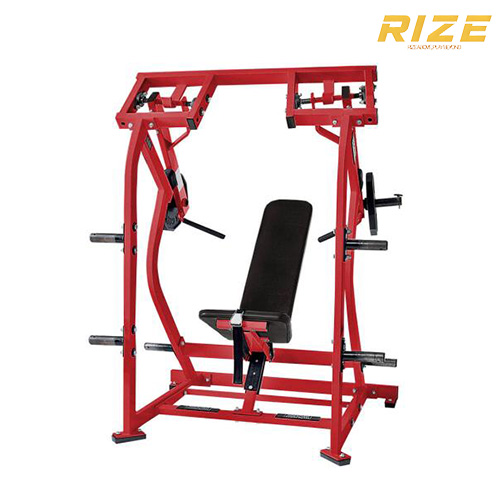
A sitting chest press machine is a strength-training equipment designed to isolate and target the chest muscles. Unlike free weights, it guides the motion, ensuring stability and controlled movement. By pressing handles forward while seated, you engage the pectorals, deltoids, and triceps.
The machine’s ergonomic design allows users to maintain proper posture, reducing stress on the shoulders and lower back. Whether you are a beginner or an advanced lifter, the sitting chest press machine provides an effective way to build strength safely.
Benefits of Using a Sitting Chest Press Machine
- Builds Chest and Upper Body Strength: The machine specifically targets pectorals while engaging supporting muscles, helping users develop a well-rounded upper body.
- Safer Alternative to Free Weights: For beginners, the guided movement reduces the risk of improper form and injuries.
- Versatility for Different Workout Levels: Adjustable weight stacks allow progression from light to heavy resistance, accommodating all fitness levels.
- Improves Form and Muscle Isolation: The machine helps maintain correct posture, allowing users to focus on the chest muscles without compensating with other muscle groups.
Key Features to Look for When Choosing
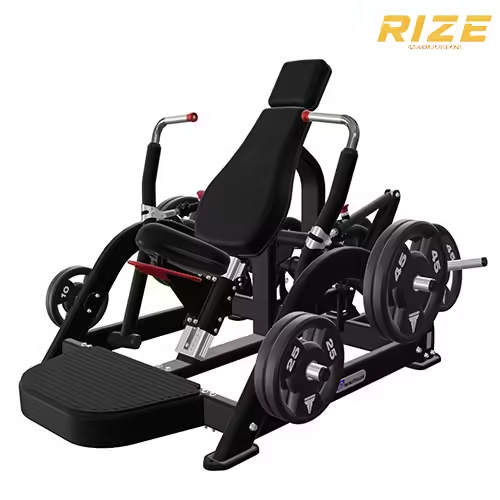
When selecting a sitting chest press machine, consider the following features:
- Adjustable Seat and Backrest: Ensures proper alignment for users of different heights.
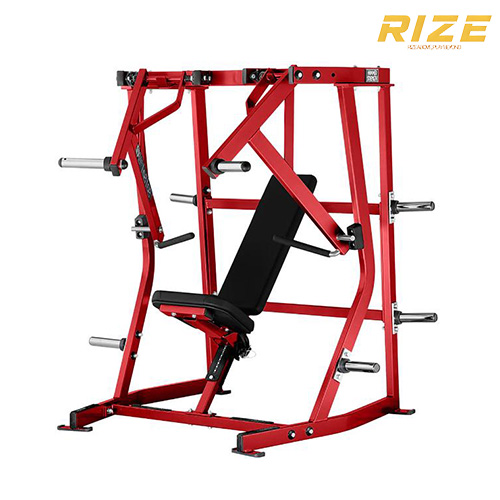
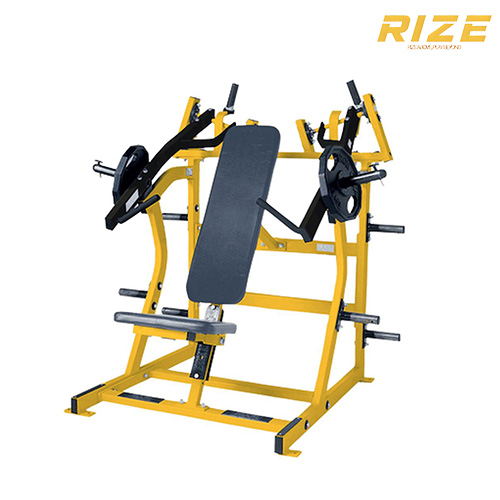
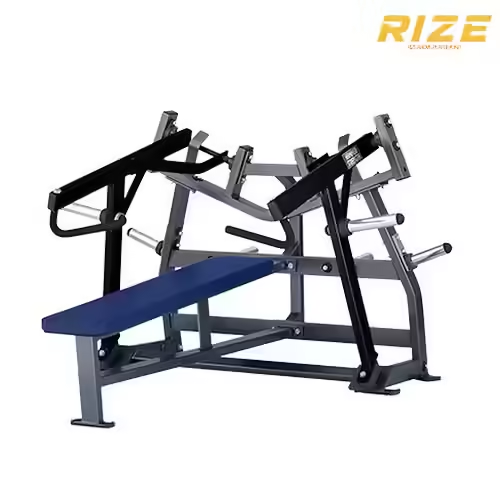
- Weight Stack or Plate Loading System: Choose between a pin-loaded weight stack for smooth adjustments or plate-loaded systems for heavier resistance.
- Range of Motion and Ergonomic Design: A natural motion path reduces joint stress and promotes muscle engagement.
- Material Quality and Durability: Steel frames and high-quality upholstery increase longevity, especially in commercial settings.
- Size and Space Requirements: Consider whether the machine fits your home or commercial gym layout.
Types of Sitting Chest Press Machines
- Commercial vs Home Gym Machines: Commercial machines are more robust and often feature advanced adjustments, while home gym machines are compact and budget-friendly.
- Lever-Based vs Cable-Based Machines: Lever machines offer fixed motion paths, while cable machines allow more natural and varied angles of movement.
- Standard vs Multi-Functional Machines: Some machines combine chest, shoulder, and back exercises in one unit, offering versatility for space-saving gyms.
- Standing vs Sitting Chest Press Machines: Standing variants target similar muscles but engage the core more, making them less beginner-friendly.
How to Choose the Right Machine for Your Goals
- For Beginners and Light Training: Look for machines with guided motion, adjustable weights, and clear instructions to ensure safe use.
- For Muscle Growth and Strength Training: Opt for machines with higher weight capacity and adjustable resistance to allow progressive overload.
- For Home Gym vs Commercial Gym Needs: Space, durability, and user load frequency are key factors. Home gyms benefit from compact, multi-functional machines, while commercial gyms require heavy-duty equipment with high user tolerance.
Common Mistakes to Avoid
- Using incorrect seat height or poor form can reduce effectiveness and increase injury risk.
- Lifting too heavy too soon without warming up or progressing gradually.
- Neglecting regular maintenance or ignoring wear and tear signs.
- Skipping progressive load adjustments, which can slow strength gains.
Maintenance and Safety Tips
- Clean the machine regularly and lubricate moving parts to maintain smooth operation.
- Inspect cables, pulleys, and weight stacks for wear to prevent accidents.
- Ensure proper assembly following the manufacturer’s instructions.
- Start with lighter weights and gradually increase to avoid shoulder or chest injuries.
FAQ
What muscles does a sitting chest press machine target?
The sitting chest press machine primarily works the chest (pectorals), while also engaging the shoulders (deltoids) and triceps.
Is a sitting chest press machine suitable for beginners?
Yes, its guided motion makes it safe for beginners to build strength while maintaining proper form.
How often should I use a sitting chest press machine?
For most users, 2–3 sessions per week is ideal, allowing muscles to recover between workouts.
Sitting chest press machine vs free weights: which is better?
Machines are safer and easier for isolation exercises, while free weights engage stabilizing muscles and allow more natural movement.
Can a sitting chest press machine fit in a home gym?
Yes, compact models and multi-functional units are available that fit limited spaces while providing effective chest workouts.
Need Help Choosing the Right Sitting Chest Press Machine?
If you’re unsure about which sitting chest press machine is best for your home or commercial gym, our fitness experts are here to help. Contact us today for a personalized consultation, and ensure your gym equipment meets your training goals safely and effectively. Don’t wait to improve your strength and performance—get in touch now and find the perfect machine for your workouts!