Índice
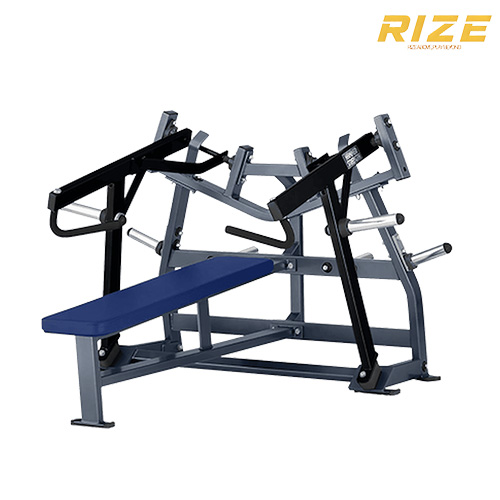
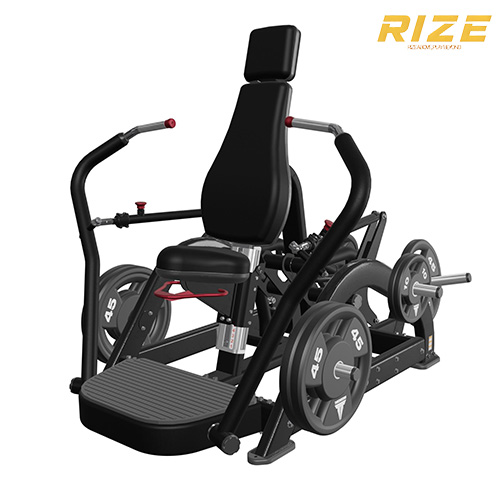
When it comes to building a strong, well‑defined chest, the seated flat chest press machine often stands out as one of the most effective tools in your gym arsenal. Whether you’re a beginner or an experienced lifter, understanding how to use this machine — and why it works — can dramatically improve your results.
In this guide, you’ll learn everything you need to know: from the biomechanics behind the machine, to programming it into your workouts, to real‑world case examples and frequently asked questions.
Why the Seated Flat Chest Press Machine Matters
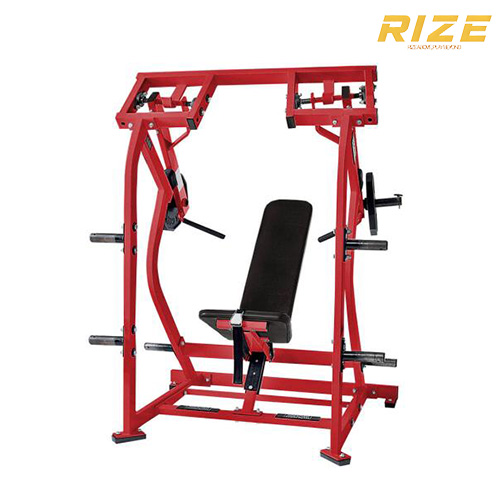
If you’ve ever struggled with inconsistent chest development or plateaued on traditional bench presses, the seated flat chest press machine may be a game‑changer for you.
At its core, the machine provides fixed movement mechanics, meaning it helps control your pressing path. This can:
- Reduce risk of injury (especially for shoulders)
- Improve muscle isolation of the chest
- Provide stability that free weights can’t always guarantee
It is especially useful when your stabilizer muscles are fatigued or when you want guaranteed form consistency.
According to a study on resistance training mechanics, machine‑based presses can reduce joint stress while maintaining high muscle activation when compared to free weights alone (source: National Library of Medicine).
How the Seated Flat Chest Press Machine Works
Unlike free weight bench pressing — where you balance the barbell — the seated flat chest press machine uses a guided resistance path. This means:
- You push the handles forward horizontally
- Your back is supported
- Your range of motion is controlled
From a biomechanics standpoint, this machine primarily targets the pectoralis major, with secondary engagement from the anterior deltoids and triceps.
Here’s an overview of targeted muscle engagement:
| Muscle Group | Primary/Secondary | Role in Movement |
|---|---|---|
| Músculo peitoral maior | Primário | Chest shaping and force production |
| Deltoide anterior | Secundário | Assists horizontal pressing |
| Tríceps braquial | Secundário | Extends elbows during pressing |
| serrátil anterior | Estabilizador | Scapular stability |
| Rotator Cuff | Estabilizador | Shoulder joint integrity |
This balance makes the machine both effective for hypertrophy (muscle growth) and ideal for controlled strength progression.
Benefits You’ll Notice (Backed by Biomechanics)
Perfect for All Levels — From Beginner to Advanced
Beginners often struggle with bar path and form on free weights. The machine eliminates this frustration, allowing you to focus purely on chest contraction.
Safer Progressions with Heavy Loads
Because the pressing path is fixed, you can push heavier loads safely. This is especially important if you train alone.
Reduced Shoulder Stress
If you’ve experienced shoulder discomfort with free weights, you’ll appreciate the natural support the machine offers.
Ideal for Muscle Isolation
By stabilizing your torso and eliminating balance demands, the machine zeroes in on your chest muscles — which can enhance hypertrophy (muscle growth).
Variable Resistance Options
Most machines let you adjust load easily — ideal for drop sets, super sets, or progressive loading strategies.
How to Set Up and Use the Seated Flat Chest Press Machine
Even the most advanced machines can be used incorrectly if setup is wrong. Here’s a step‑by‑step protocol to ensure optimal form:
- Seat Height
Adjust the seat so that the handles sit at mid‑chest level when you grip them.- Too low → shoulders do more work
- Too high → chest engagement drops
- Back & Foot Position
Sit tall with feet flat on the floor.
Your spine should feel neutral — not excessively arched. - Grip Width
Grip should be moderate — not too narrow (triceps dominant), not too wide (shoulder strain). - Movement Execution
- Exhale and press forward without locking your elbows.
- Pause briefly at full extension.
- Inhale and slowly return to starting position.
- Control Is Key
Avoid rapid, uncontrolled reps. This machine rewards slow tension.
Programming the Machine for Results
Here’s how to integrate the seated flat chest press machine into your weekly program based on your goal:
For Muscle Hypertrophy
- Reps: 8‑12
- Sets: 3‑5
- Rest: 60‑90 seconds
- Frequency: 2‑3 sessions per week
For Strength
- Reps: 4‑6
- Sets: 4‑6
- Rest: 2‑3 minutes
- Frequency: 1‑2 sessions per week
For Endurance
- Reps: 15‑20
- Sets: 3‑4
- Rest: 30‑60 seconds
- Frequency: 2‑3 sessions per week
In practice, pairing the machine with other compound movements (like push‑ups or free weight presses) provides a balanced approach.
Common Technique Mistakes and How to Fix Them
Mistakes aren’t just inefficiencies — they can reduce growth and lead to injuries. Below are common errors and corrections:
Mistake #1 — Shrugged Shoulders
Consertar: Lower the shoulder position so your chest leads the movement. Think “shoulders down & back.”
Mistake #2 — Too Fast Reps
Consertar: Slow down. Focus on a 2‑second press and 3‑second return.
Mistake #3 — Locking Elbows at Extension
Consertar: Stop just short of lockout to keep constant tension on the chest.
Mistake #4 — Too Much Weight
Consertar: Reduce load until proper technique feels stable for 8‑12 reps.
Case Example: From Struggle to Strength
Meet Alex, a 32‑year‑old recreational athlete. For years, Alex struggled with chest development. Bench press felt inconsistent due to occasional shoulder discomfort.
The Strategy:
- Included seated flat chest press machine twice weekly
- Combined with controlled tempo and progressive loading
- Removed traditional bench press for 4 weeks
Results After 8 Weeks:
- Chest circumference increased by 1.5 inches
- 15% increase in pressing strength
- Shoulder discomfort resolved entirely
What made the difference? Consistency + better muscle engagement.
Comparing Machines with Free Weights
Many people ask whether machines are “better” than free weights. The reality is both have a place. Here’s an honest comparison:
| Criterion | Machine | Pesos livres |
|---|---|---|
| Muscle Isolation | ⭐⭐⭐⭐ | ⭐⭐⭐ |
| Injury Risk | ⭐⭐⭐⭐ | ⭐⭐ |
| Curva de Aprendizagem | ⭐⭐⭐⭐ | ⭐⭐ |
| Functional Strength Transfer | ⭐⭐ | ⭐⭐⭐⭐ |
| Stability Demands | ⭐⭐ | ⭐⭐⭐⭐ |
Advanced Techniques to Break Plateaus
If you’ve plateaued, these techniques can reignite progress:
Drop Sets
Perform a set to near‑failure, reduce weight, and continue.
Negative‑Only Reps
Slow the eccentric (lowering) phase to 4‑5 seconds.
Tempo Training
Use controlled timing like 3‑1‑3 (3 sec down, 1 sec pause, 3 sec up).
Supersets
Pair the machine press with push‑ups or cable flyes for volume.
Each of these methods increases time‑under‑tension and metabolic stress — two key drivers of hypertrophy.
Integrating the Machine into Full Chest Workouts
Here’s an example balanced chest day routine:
- Warm‑up: 5 min rowing + rotator cuff band work
- Machine Chest Press: 4 sets x 8‑12
- Push‑Ups: 3 sets x max reps
- Cable Flyes: 3 sets x 12‑15
- Incline Dumbbell Press: 3 sets x 8‑10
This blend hits the chest from multiple angles and ensures both strength and shape development.
Real‑World Progress Tracking
Tracking your workouts ensures you continue progressing.
Sample Weekly Tracking Table
| Semana | Weight (kg) | Representantes | Conjuntos | Notas |
|---|---|---|---|---|
| 1 | 50 | 10 | 3 | Form stable |
| 2 | 55 | 9 | 3 | Slight shoulder fatigue |
| 3 | 55 | 12 | 3 | Good control |
| 4 | 60 | 8 | 4 | Tempo perfect |
Notice how incremental changes and notes help refine future sessions.
Safety Checklist Before Every Session
✔ Warm‑up properly
✔ Adjust seat & alignment
✔ Clean machine handles
✔ Use smooth motions only
✔ Stop if pain occurs
Wrapping Up
O seated flat máquina de supino isn’t just another piece of gym equipment — it’s a strategic tool that can help you build strength, refine form, and push past plateaus with confidence.
By understanding how the movement works, how to program it wisely, and how to avoid common mistakes, you’re giving yourself every advantage in your fitness journey.
Keep training smart. Your best chest yet is within reach.
Perguntas frequentes
Is the chest press machine better than bench press?
Not necessarily “better,” but it is safer and more consistent, especially for beginners or those rehabbing an injury.
How often should I use the machine?
2‑3 times per week is ideal for most people when combined with other pressing variations.
Can it build a bigger chest?
Yes — when used with progressive overload and proper form, it can significantly increase muscle size.
Should I use machines if I plan to compete in strength sports?
Machines are excellent for accessory work, but free weights are still essential for sport‑specific strength.
What’s the best rep range for chest growth?
Typically 8‑12 reps per set with controlled tempo is optimal for hypertrophy.