Welcome to My Blog!
Before we dive into the content, if you’re interested in our products or have any questions, please feel free to visit our Contact Us page on the website. Our team is ready to assist you with inquiries, orders, or any support you may need.
Now, let’s get started on our journey together. I hope you find the content here insightful, engaging, and valuable.
Table of Contents
Understanding Search Intent: Why Are You Here?
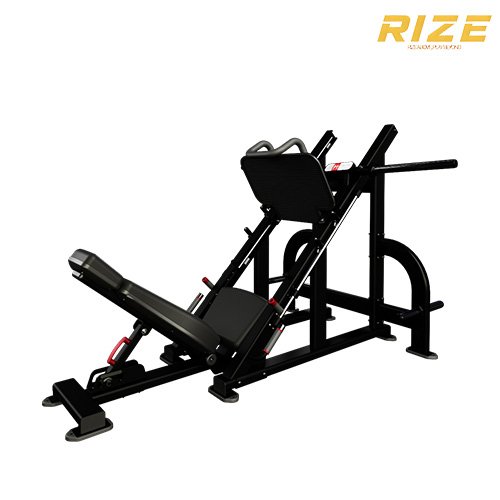
The Leg Press Machine is a cornerstone of lower-body training, yet its complexity can be daunting. Whether you are a seasoned lifter or setting up your first home gym, understanding what you seek from this powerful piece of equipment is crucial.
Informational: Learning the Ropes
At its core, the Leg Press Machine is designed to safely isolate and build strength in the muscles of the lower body, primarily the quadriceps, hamstrings, and glutes. It allows you to push significant weight without the need for high-level technical skill required by exercises like the barbell squat. Our guide will demystify the machine’s mechanics and usage.
Commercial: Ready to Buy
If you are searching for the best Leg Press Machine for your home gym, you are in the commercial investigation phase. You need clarity on features, safety standards, and pricing. This article provides the definitive reviews and buying guide to ensure your investment is sound.
Comparison: Squat vs. Press
Many users debate its efficacy against free weights. We’ll objectively compare the Leg Press Machine vs. Squat Rack and other alternatives, helping you determine where the leg press fits into your ultimate leg day strategy.
Anatomy & Activation: Mastering Proper Form and Foot Placement
Proper execution on the leg press is essential for both maximizing muscle gains and ensuring safety, particularly for your knees and lower back.
The Perfect Setup: How to Adjust Leg Press Machine Seat Position
Your setup is paramount. For a sled-style (45-degree) leg press, the key is finding a seat back angle that keeps your lower back flat against the pad throughout the entire range of motion.
- Adjustment Steps: Sit down and adjust the seat so your knees are comfortably bent and your hips are settled. Ensure your lower back does not round (tuck under) when the sled is fully descended. If it rounds, you need to limit your range of motion or adjust the seat.
Foot Placement: Targeting Specific Muscle Groups
Minor adjustments in foot position dramatically change the muscle groups emphasized, making the leg press highly versatile. Refer to our simplified Leg Press Machine Muscle Group Activation Chart below:
| Foot Placement | Primary Target Muscle | Secondary Target Muscle |
| High on the Plate | Glutes and Hamstrings | Less strain on the knees |
| Low on the Plate | Quadriceps (Quads) | More knee flexion |
| Wide Stance | Inner Thigh (Adductors) | Glutes |
| Narrow Stance | Outer Quads (Vastus Lateralis) |
Safety First: Avoiding Common Mistakes
The most critical safety error is the “Tailbone Tuck” or lumbar rounding at the bottom of the movement. This severely stresses the lower back discs. Always keep your tailbone glued to the seat pad. Additionally, never fully lock out your knees at the top of the movement; keep a slight bend to protect the knee joint.
Machine Types Comparison: 45-Degree vs. Horizontal
The two most common Leg Press Machine designs offer distinct training experiences.
The 45-Degree Leg Press (Sled Machine)
This machine is a staple in commercial gyms. The 45-degree angle means you are lifting the sled plus the resistance, often resulting in very high potential load capacity.
- Pros: Allows for heavier lifts; engages stabilizing muscles slightly more; feels more like a compound movement.
- Cons: Requires substantial floor space; more challenging to move or assemble.
The Horizontal Leg Press (Seated Machine)
Also known as the Compact Leg Press Machine, this design operates on rails, with the user seated upright.
- Pros: Generally safer for beginners and older users due to back support; takes up less floor space, making it a favorite for small apartments; easier access.
- Cons: Lower maximum weight capacity; fixed movement path can be restrictive.
Which is Right for Your Goals? (Strength vs. Rehab)
For maximal strength and power, the 45-degree press is superior. For safety, rehabilitation, or a compact home setup, the horizontal model is the clear winner.
Top 7 Best Leg Press Machines for Home Gyms in 2024
When selecting a machine for personal use, prioritize durability, safety features, and size.
Premium Picks: When Budget is No Object
These machines often feature smooth plate-loading systems, adjustable angle seats, and commercial-grade steel construction. They offer the most comfortable and durable experience.
Best Budget-Friendly Leg Press Machines Under $1000
It is possible to find quality without breaking the bank. Focus on stability and a respectable weight capacity (usually up to 400-600 lbs). Look for reliable PowerLine or similar models.
Space Saver Showdown: Best Compact Leg Press Machine for Small Apartments
For limited spaces, look for models that combine the leg press with a hack squat function or prioritize the horizontal (seated) design, which has a smaller footprint.
Leg Press Machine Alternatives: When Space is Limited
The leg press is highly effective, but not the only tool for leg development.
Leg Press Machine vs. Squat Rack for Glutes
While the squat rack allows for superior functional strength and core engagement, the leg press allows for better isolation of the glutes and quads, especially with high-foot placement, reducing lower back load.
Leg Press Machine vs. Hack Squat Machine
The Hack Squat offers a similar, but more stable, movement focusing heavily on the quads. It is an excellent alternative, often bundled with the leg press in versatile machines.
Home Alternatives: Dumbbells and Resistance Bands
If a machine is out of the question, heavy dumbbell squats (Goblet or Split Squats) and band-resisted exercises can effectively target the leg muscles.
Buying Guide: Crucial Features You Cannot Ignore
Use this checklist before finalizing your purchase to ensure you get a durable, safe machine.
Weight Capacity and Build Quality (Materials)
The machine’s steel gauge and max load rating are vital. As you progress, you will lift more than you think; always choose a machine with a capacity well above your current maximum.
Footplate Size and Adjustability
A large, non-slip footplate allows for the various foot placements discussed (high/low, wide/narrow), which is key for targeting different muscles.
Safety Features (Stops and Locking Mechanisms)
Ensure the machine has multiple, easy-to-reach safety stops or catches. This is non-negotiable for solo training and prevents the weight from trapping you.
Special Needs: Leg Press for Bad Knees and Rehabilitation
The Leg Press Machine is often recommended for those with knee or back issues, provided it’s used correctly.
Low-Impact Training: Optimal Range of Motion
For users with knee pain, prioritize a short, controlled range of motion (ROM). Only press as deep as you can before experiencing pain or feeling your tailbone lift. The focused, limited movement can strengthen the muscles supporting the joint without excessive stress.
Choosing the Right Machine for Rehab (Focus on Horizontal)
The horizontal machine’s supportive seat and fixed path make it safer and more comfortable for individuals recovering from injury, offering stable resistance.
Leg Press Machine Loaner Programs and Rental Options.
If you require a leg press for temporary rehabilitation, check for local gym equipment rental or Leg Press Machine loaner programs offered by specialty medical supply stores.
Maintenance and Longevity: Keep Your Machine Running
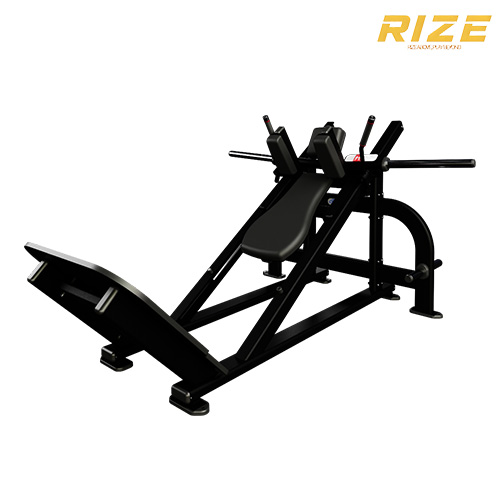
Protect your investment with simple, regular maintenance.
Essential Monthly Maintenance Checklist
- Inspect cables, belts, and padding for wear and tear.
- Wipe down the machine to prevent rust, especially in humid environments.
- Check all bolts and nuts for tightness, particularly after heavy use.
Troubleshooting Common Issues (Squeaks and Sticking)
Apply a silicone-based lubricant to the guide rails where the sled moves. Never use greasy oils, as they attract dust and debris, leading to more friction.
When to Call a Professional (Warranty and Service)
Consult your product manual for specific warranty details. For issues related to structural damage or complex cable replacements, it is best to contact the manufacturer or a certified service technician.
Conclusion
The Leg Press Machine is an indispensable tool for building powerful, defined lower body muscles safely and effectively. By understanding proper form, choosing the right machine type (whether 45-degree or horizontal), and committing to regular maintenance, you are setting yourself up for years of powerful training.
FAQ
How much weight should I use on the leg press?
Start with a weight you can comfortably perform 10-12 repetitions with perfect form. The weight should challenge you on the final two reps.
Is the leg press machine bad for your back?
No, the improper use of the machine is bad for your back. As long as you prevent the “Tailbone Tuck” (lumbar rounding) and maintain constant pressure on the seat back, it is highly safe.
Can I do calf raises on the leg press?
Yes, the leg press is one of the most effective ways to perform calf raises. Place only the balls of your feet on the plate and press, allowing a full stretch and contraction.
What is the average price of a good quality leg press machine?
Prices range dramatically. A good home-use machine typically falls between $800 and $2,500, depending on features and weight capacity.
Need Help Choosing the Best Leg Press Machine?
If you’re unsure about which leg press machine is the perfect fit for your home gym’s space, budget, and fitness goals, our experts are here to help.
Contact us today for a personalized consultation, and ensure you invest in a machine that will deliver years of powerful, safe training.
Don’t wait to build the legs you’ve always wanted—explore our top-rated machines now to elevate your training!