Table of Contents
In modern fitness facilities, strength training machines play a crucial role in delivering safe, consistent, and effective workouts. Among them, the horizontal chest press machine has become a staple piece of commercial gym equipment due to its controlled movement path, user-friendly design, and suitability for a wide range of trainees.
As a manufacturer of commercial fitness equipment, we design and produce horizontal chest press machines specifically for long-term use in gyms, fitness centers, hotels, and professional training facilities. This guide aims to explain how these machines work, what makes them effective, and why they are widely adopted in commercial environments.
What Is a Horizontal Chest Press Machine?
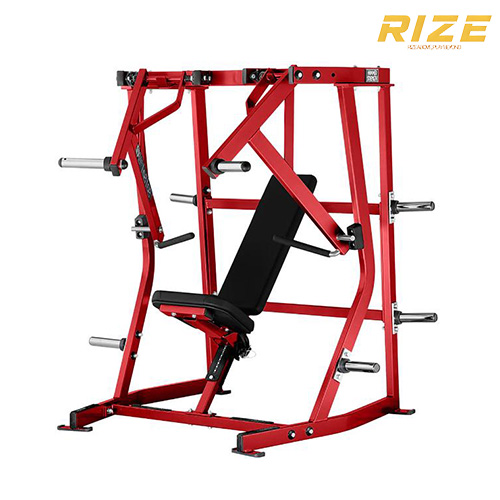
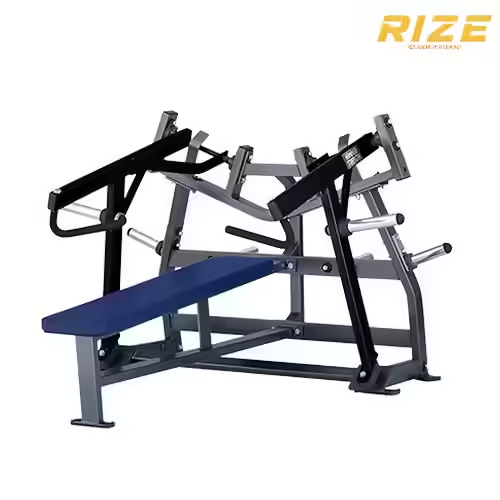
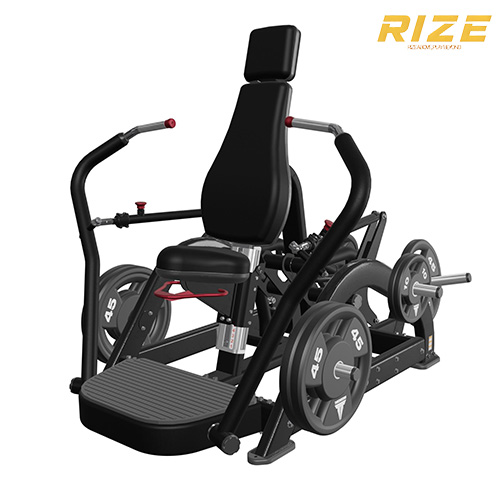
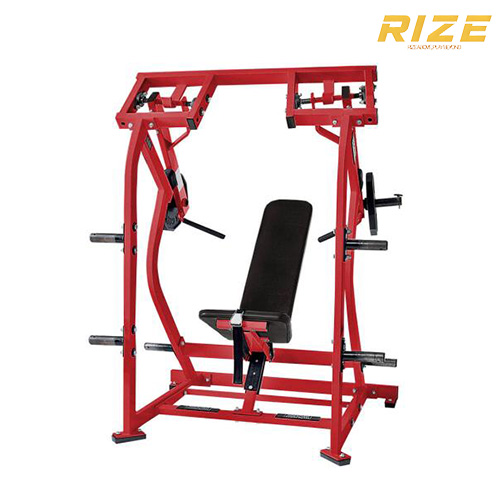
A horizontal chest press machine is a strength training machine designed to target the chest muscles through a forward pressing motion performed in a seated position. Unlike incline or vertical press machines, the pressing path remains horizontal, closely mimicking the natural movement of a traditional bench press while offering greater stability.
This type of chest press equipment is commonly found in commercial gyms because it allows users to train the upper body with guided resistance. The fixed movement path helps reduce form errors, making it suitable for beginners, experienced lifters, and rehabilitation-focused users alike.
How a Horizontal Chest Press Machine Works
The horizontal chest press machine operates through a guided lever or arm system connected to a resistance source, typically either weight plates or a selectorized weight stack. When the user presses the handles forward, the resistance follows a controlled horizontal path, ensuring smooth and consistent motion throughout the exercise.
From a manufacturing perspective, precise alignment between the pivot points, bearings, and resistance arms is critical. Proper mechanical design ensures even load distribution and minimizes joint stress during pressing movements.
Plate loaded horizontal chest press machines are often preferred for their simplicity and durability, while selectorized chest press machines are popular in high-traffic gyms due to their ease of use and quick weight adjustments. Some designs also feature iso-lateral movement, allowing each arm to move independently for balanced muscle development.
Muscles Worked by a Horizontal Chest Press Machine
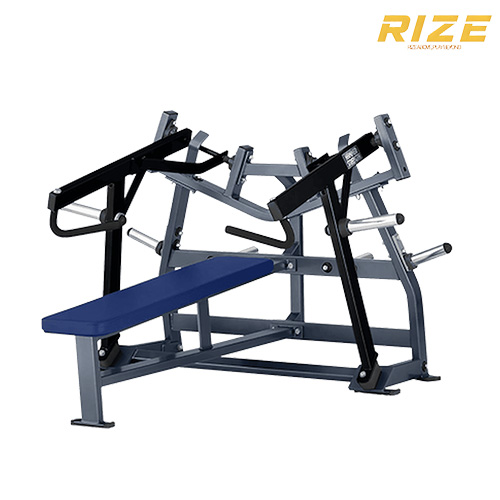
The horizontal chest press machine primarily targets the pectoralis major, which is responsible for chest strength and pushing power. Secondary muscle groups include the triceps and the anterior deltoids, both of which assist during the pressing motion.
Compared to free-weight exercises, chest press machines provide more consistent muscle activation throughout the range of motion. This controlled resistance makes them especially effective in commercial gyms where users have varying experience levels.
Because the machine stabilizes the movement, users can focus on muscle contraction rather than balance, making chest training more accessible and repeatable.
Benefits of Using a Horizontal Chest Press Machine in Commercial Gyms
One of the biggest advantages of a horizontal chest press machine is safety. The guided motion significantly reduces the risk of improper form, which is a major concern in shared gym environments.
For gym owners and operators, these machines offer reliable performance under heavy daily use. A professional horizontal chest press machine is designed with reinforced frames, durable bearings, and wear-resistant components to withstand long-term commercial operation.
Additionally, the machine accommodates users of different body sizes through adjustable seats and handle positions, improving overall user satisfaction and accessibility.
Horizontal Chest Press Machine vs Bench Press
While the bench press remains a classic free-weight exercise, the horizontal chest press machine offers distinct advantages in commercial settings. Machines provide controlled movement, reducing the need for spotters and lowering injury risks.
From a practical standpoint, many fitness facilities include both options. Bench presses are favored by advanced lifters, while chest press machines are used for structured training, warm-ups, rehabilitation, and high-volume workouts.
For gym operators, machines help standardize training experiences, especially in facilities with a diverse membership base.
Key Features of a High-Quality Horizontal Chest Press Machine
A high-quality commercial horizontal chest press machine starts with a strong steel frame capable of handling repeated heavy loads. Smooth operation depends on high-grade bearings, precision-welded joints, and properly engineered pivot points.
Ergonomic design is equally important. Well-positioned handles, adjustable seating, and proper back support help users maintain correct posture throughout the exercise. These design details reduce strain on shoulders and joints while improving comfort.
From a manufacturing standpoint, durability and ease of maintenance are essential. Commercial gyms prioritize equipment that delivers consistent performance with minimal downtime.
How Horizontal Chest Press Machines Are Designed and Manufactured
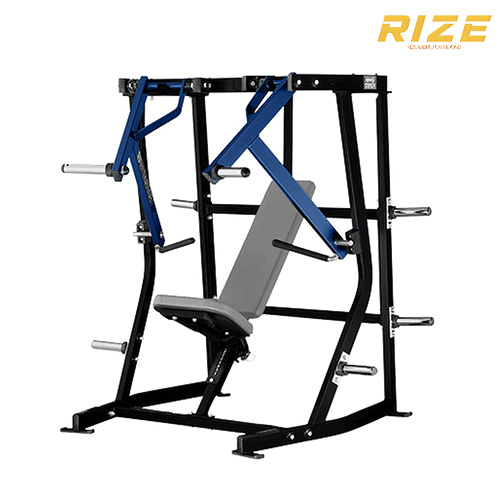
Designing a horizontal chest press machine begins with biomechanical analysis. Engineers focus on natural movement paths, joint alignment, and resistance curves that match human strength profiles.
During manufacturing, strict quality control processes ensure frame accuracy, surface finishing, and load-bearing capacity meet commercial standards. Each machine is tested for smooth motion, stability, and long-term durability before leaving the factory.
Manufacturers serving the commercial gym market prioritize reliability, as these machines must perform consistently in high-traffic environments for many years.
Choosing the Right Horizontal Chest Press Machine for Your Facility
Selecting the right horizontal chest press machine depends on several factors, including facility size, target users, and training focus. Commercial gyms typically require heavy-duty machines with reinforced frames, while boutique studios may prioritize compact designs.
Space planning also plays an important role. Machines with efficient footprints help maximize floor layout without compromising usability. Some manufacturers also offer OEM and customization options to match branding or specific training requirements.
Understanding how the equipment will be used daily helps ensure the best long-term investment.
Applications of Horizontal Chest Press Machines in Different Fitness Settings
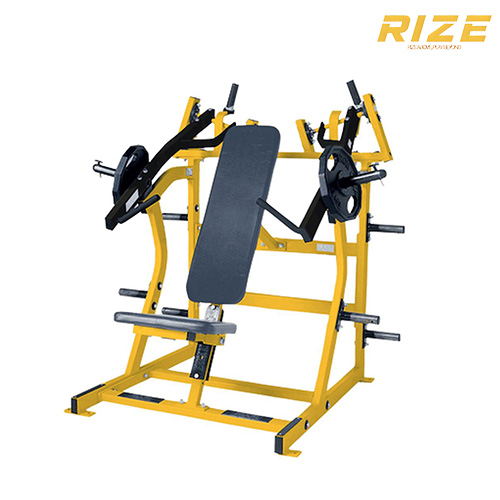
Horizontal chest press machines are widely used in commercial gyms, fitness centers, hotels, and corporate wellness facilities. Their controlled movement makes them suitable for rehabilitation environments and beginner-focused training programs.
Because of their versatility, these machines remain one of the most requested pieces of professional fitness equipment across different market segments.
Comparison of Common Horizontal Chest Press Machine Types
| Machine Type | Resistance System | Best For | Key Advantage |
|---|---|---|---|
| Plate Loaded | Free weight plates | Commercial gyms | Simple, durable design |
| Selectorized | Weight stack | High-traffic facilities | Easy weight adjustment |
| Iso-Lateral | Independent arms | Balanced strength training | Natural movement pattern |
| Fixed Arm | Linked arms | Beginners | Controlled and stable motion |
Conclusion
A horizontal chest press machine is an essential component of modern commercial gym equipment. By offering controlled movement, ergonomic design, and reliable performance, it supports safe and effective chest training for users of all experience levels.
For gym owners and fitness facility managers, understanding how these machines work and what defines quality construction helps guide smarter equipment decisions. From a manufacturing perspective, focusing on durability, biomechanics, and real-world gym usage ensures horizontal chest press machines continue to meet the demands of professional fitness environments while delivering consistent training results.
FAQ
1. What is a horizontal chest press machine used for?
A horizontal chest press machine is used to strengthen the chest, triceps, and front shoulders through a controlled pressing motion. It is commonly used in commercial gyms for safe and consistent upper body training.
2. Which muscles does a horizontal chest press machine work?
The primary muscle worked is the pectoralis major, while the triceps and anterior deltoids act as secondary muscles during the pressing movement.
3. Is a horizontal chest press machine better than a bench press?
A horizontal chest press machine is not necessarily better, but it offers more stability and safety than a bench press. It is especially useful in commercial gyms and for beginners or rehabilitation-focused training.
4. Are horizontal chest press machines suitable for commercial gyms?
Yes, horizontal chest press machines are widely used in commercial gyms because they are durable, easy to use, and designed to handle high-traffic training environments.
5. What should I look for when choosing a horizontal chest press machine?
Key factors include frame strength, smooth movement, ergonomic design, resistance type (plate loaded or selectorized), and suitability for commercial use.