Tabla de contenido
If you’re reading this, you’ve likely already invested time and effort into improving your upper body strength and chest development — but maybe you’re not seeing the results you expected. Perhaps you’ve noticed that traditional chest exercises feel inefficient, pain‑inducing, or just plain frustrating. That’s where the wide chest press machine comes in — one of the most under‑utilized tools in any gym or home setup.
This comprehensive guide will show you exactly why the wide chest press machine matters, how it differs from other pressing movements, how to perform it correctly, how to build workouts around it, and how it can help you finally break through your chest‑development plateaus.
Let’s dive in.
¿Por qué centrarse en el pecho? El papel de la fuerza pectoral en tu entrenamiento

Before we dig into the specifics of the wide chest press machine, it’s important to understand why chest development is worth focusing on:
- Functional strength: Pushing movements — like pushing open a heavy door — rely on strong pectorals and shoulder muscles.
- Aesthetics and symmetry: A wide, developed chest contributes to the classic “V‑taper” look when paired with a strong back.
- Performance improvements: Strong chest muscles help with pushing movements in sports and daily activities.
However, not all pressing exercises are created equal. A wide chest press machine targets your muscles differently than free‑weight presses or narrow grips — and that difference matters.
¿Qué es una máquina de press de pecho ancho? Breve explicación
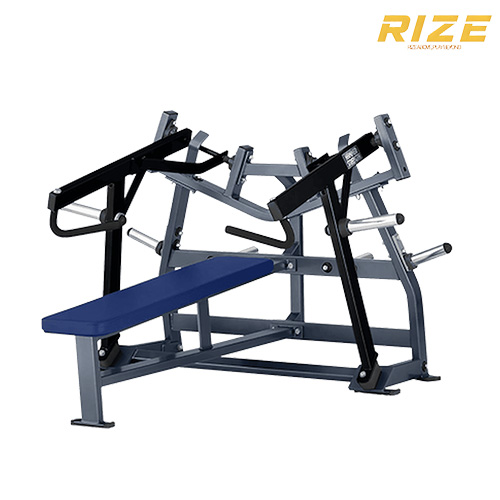
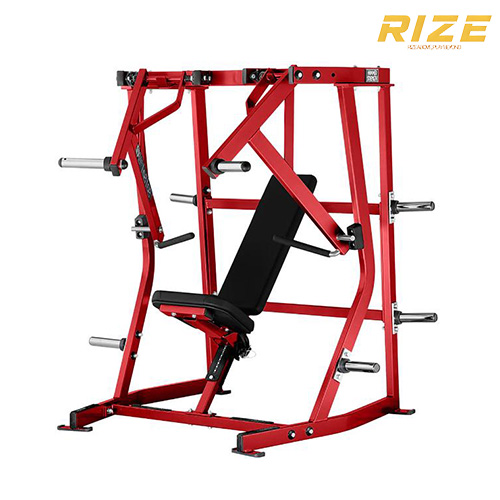
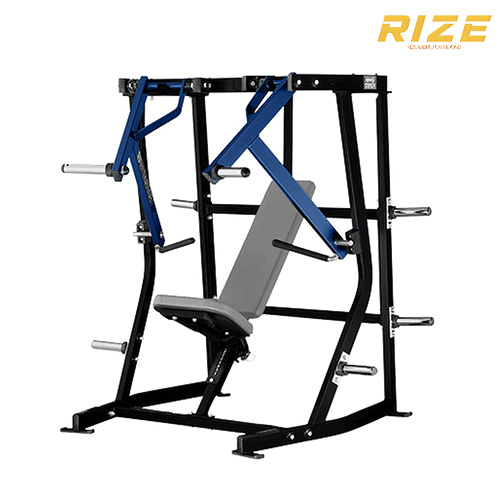
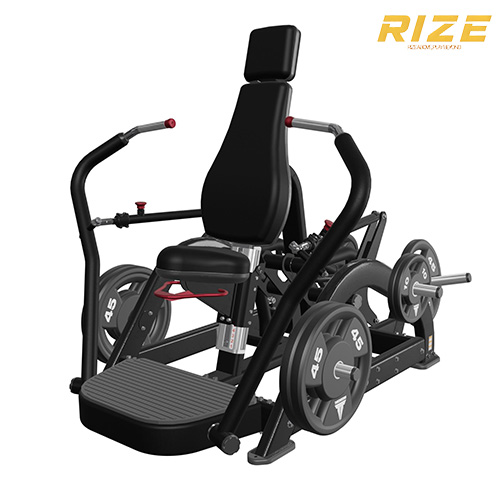
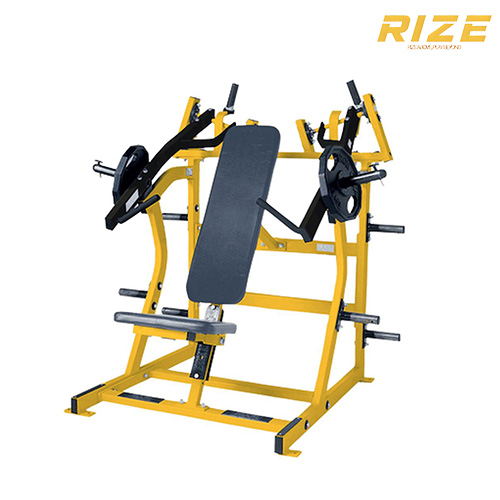
A wide chest press machine is a strength training station designed to mimic the movement pattern of a traditional chest press (similar to a bench press), but with the following key characteristics:
- You push outward from a seated position
- Handles or bars follow a guided path
- The grip is wider than shoulder‑width
- Resistance is typically controlled via weight stacks or plates
The combination of these elements creates a muscle‑focused, joint‑friendly pressing motion with minimal stabilization required.
The machine is especially helpful if free weights are challenging, if you lack a spotter, or if you’re focused on isolating chest muscles with higher precision.
Press de pecho ancho vs. estándar: la importancia de la activación muscular
One of the biggest questions people ask is how the wide chest press machine differs from other chest exercises.
Enfoque de agarre amplio vs. Enfoque de agarre estrecho
When your hands are placed wider apart during pressing movements, more of the force shifts to your pectoral mayor, especially the outer portion of the chest. This has been confirmed in scientific literature — varying grip widths influences muscle activation patterns. PMC
Studies comparing chest press variations found:
| Grip Style | Primary Muscle Emphasis | Secondary Emphasis | Notas |
|---|---|---|---|
| Wide Grip | Chest (outer and mid) | Shoulders | Greater chest stretch |
| Neutral Grip | Chest balanced | Tríceps | More joint‑friendly position |
| Narrow Grip | Tríceps | Chest | Less chest stretch, more arm focus |
In one laboratory study, neutral‑grip chest press machines activated the pectoral muscles more than bench presses with a wide grip — emphasizing that guided machines can be just as effective for overall chest work. PMC
👉 In practical terms: wide grip focuses your effort on your chest muscles, reducing reliance on triceps and arms.
The Science Behind Why the Wide Chest Press Machine Works
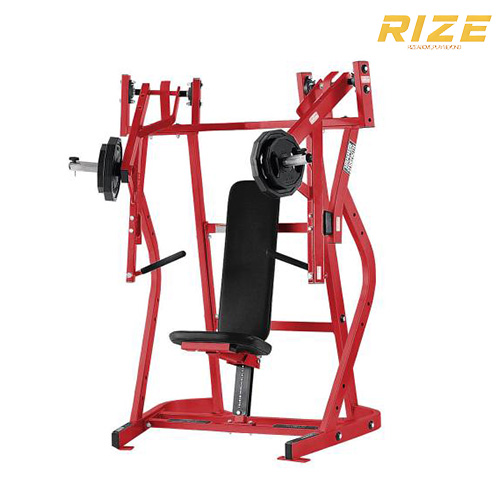
Unlike free weights, machines reduce the need for stabilization — which can be a blessing or a curse depending on your goals.
Beneficios de las prensas mecánicas
✔ Safer for beginners – The guided movement reduces technical errors
✔ Reduces risk of shoulder strain – Keeps motion under control
✔ Focused muscle engagement – You push where you want to work
✔ No need for a spotter — Ideal for independent training
In fact, research has shown that machine chest presses with a neutral grip can activate pectoral muscles to a similar degree as barbell bench presses. PMC
Desventajas a tener en cuenta
❌ Less activation of stabilizing muscles — you won’t improve balance and coordination as much as with free weights.
❌ Fixed range of motion — some machines limit the natural path of your arms.
❌ Can feel repetitive if used exclusively.
👉 That’s why the wide chest press machine should be part of a balanced chest training strategy instead of the only pressing exercise you perform.
Paso a paso: Cómo usar la máquina de prensa de pecho ancha a la perfección
You can’t benefit from a great machine if your form is sloppy. Here’s the step‑by‑step method to optimize your results:
Posición de configuración
- Adjust the seat height — Your hands should be slightly below shoulder level at the starting position.
- Select weight — Start conservatively. You want controlled reps, not heaved loads.
- Grip the handles wide — slightly wider than shoulder width.
Ejecución
Fase 1: Bajar las manijas
- Inhale deeply
- Control the handles as they move toward your chest
- Stop before your elbows go past 90º
Fase 2: Extracción
- Exhale as you push
- Fully extend your arms without locking elbows
- Focus on feeling your chest muscles contract
Por qué es importante el ritmo
A recommended tempo is:
| Movement | Time |
|---|---|
| Lowering | 2 seconds |
| Pause at bottom | 1 second |
| Pressing up | 1–2 seconds |
Why? Because slower eccentrics (lowering phase) increase time under tension — which has been linked to better muscle growth.
Cuatro programas de entrenamiento probados con la máquina de prensa de pecho ancha
Here are four structured workouts to help you make real progress:
Plantilla de entrenamiento 1: Crecimiento del pecho para principiantes
| Set | Exercise | Representantes | Rest |
|---|---|---|---|
| 3 | Wide Chest Press Machine | 10–12 | 90s |
| 3 | Incline Push‑Ups | 12–15 | 60s |
| 2 | Chest Fly Machine | 12–15 | 60s |
Meta: Build muscle while practicing form.
Plantilla de entrenamiento 2: Enfoque en la fuerza
| Set | Exercise | Representantes | Rest |
|---|---|---|---|
| 5 | Wide Chest Press Machine (heavy) | 5–6 | 2–3 min |
| 4 | Decline Push‑Ups | 8–10 | 90s |
| 3 | Slow Tempo Chest Press Machine | 8–10 | 90s |
Meta: Increase upper body pushing strength
Plantilla de entrenamiento 3: Entrenamiento de pecho apto para lesiones
| Set | Exercise | Representantes | Rest |
|---|---|---|---|
| 4 | Wide Chest Press Machine | 12–15 | 60s |
| 3 | Resistance Band Chest Press | 15–20 | 60s |
| 3 | Neutral Grip Machine Press | 12–15 | 60s |
Meta: Maintain chest gains with less shoulder stress
Plantilla de entrenamiento 4: Hipertrofia detallada (tamaño muscular)
| Set | Exercise | Representantes | Rest |
|---|---|---|---|
| 4 | Wide Chest Press Machine | 10–12 | 60s |
| 4 | Decline Chest Press | 10–12 | 60s |
| 3 | Light Weight High Rep Chest Press | 15–20 | 45s |
Casos prácticos: Resultados reales de las máquinas de press de pecho ancho
Caso práctico A: John — Plateau Breaker
John had stalled on bench press numbers for six months. After introducing weekly wide chest press machine sessions focusing on slow tempo and muscle engagement, he reported:
- Chest measurements +1.5 in
- Bench press improved 10%
- Less shoulder discomfort
Caso práctico B: María — Solución para el dolor de hombro
Maria felt pain during free‑weight pressing. After switching to controlled machine pressing with wide grip:
- Pain decreased within 2 weeks
- Chest activation improved
- Greater confidence lifting heavier loads
Errores comunes y cómo solucionarlos
❌ Too Much Weight
Leads to poor form and joint strain.
Arreglar: Reduce weight, perfect form first.
❌ Elbows Too Flaring
Stress on shoulders instead of chest.
Arreglar: Keep elbows slightly forward.
❌ Fast Reps
Lose tension and muscle focus.
Arreglar: Use slow, controlled motions.
Comparación de máquinas de prensa de pecho ancho con otras máquinas para pecho
Here’s how the wide chest press stacks up against other methods:
| Method | Muscle Focus | Stability Requirement | Mejor para |
|---|---|---|---|
| Free Weight Bench Press | Chest & Stabilizers | Alto | Strength athletes |
| Wide Chest Press Machine | Chest isolation | Bajo | Chest growth & safer pressing |
| Resistance Bands | Variable tension | Medio | Rehab & flexibility |
| Push‑Ups | Functional strength | Medio | Endurance & accessibility |
👉 Wide machines are not better than free weights, but they are complementary and excellent at focusing your efforts on chest muscle development.
Incorporating Wide Chest Press Machines into Seasonal Training
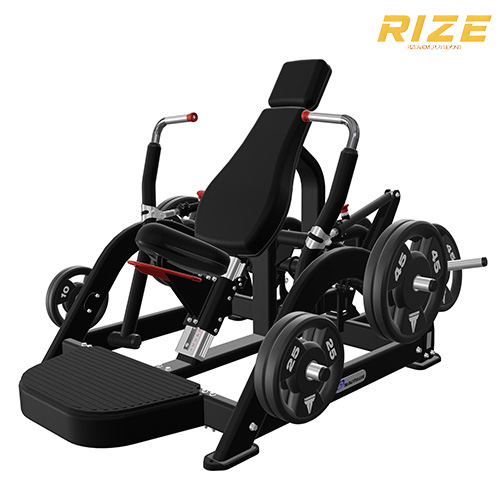
Whether you’re training for strength, aesthetics, or athletic performance, here’s how to periodize:
✔ Off‑season/Hypertrophy: Higher reps (10–15), multiple weekly sessions
✔ Competition prep: Lower reps (4–8), heavier loads, controlled tempo
✔ Rehab Phase: Light weights, higher reps, focus on form
Conclusión
El wide chest press machine isn’t just another piece of equipment — it’s a strategic tool that can help you unlock stronger, fuller chest muscles with fewer risks and more focus. Whether you are brand‑new to lifting or a seasoned athlete, understanding how and when to use this machine will give you an edge in your chest development journey.
Preguntas frecuentes
¿La máquina de press de pecho ancho desarrolla más pecho que la máquina de press de banca?
Not necessarily — it targets chest differently. Machines isolate chest without needing stabilization, which can improve muscle focus but may not build strength in the same way as free weights.
¿Con qué frecuencia debo utilizar la máquina de prensa de pecho ancho?
For most goals, 1–3 sessions per week is effective, depending on intensity and overall workout design.
¿Es un agarre amplio seguro para los hombros?
If done with correct form and weight control, yes — but always listen to your body. Adjust grip width to comfort.
Should beginners start with machines or free weights?
Machines are often easier to learn and safer for beginners. Once form improves, free weights can be introduced.
Can I use the machine if I have shoulder issues?
Yes — but focus on lighter weights and avoid pain. Consult a healthcare provider if you have a serious condition.