Tabla de contenido
Una máquina de prensa de pecho vertical es un elemento básico en muchos gimnasios y centros de fitness comerciales. Ofrece un movimiento de presión controlado que se dirige a los músculos del pecho con un diseño estable y seguro. Como fabricante de equipos de fitness comerciales, hemos visto de primera mano cómo estas máquinas respaldan los programas de entrenamiento de fuerza, mejoran la seguridad del usuario y brindan confiabilidad a largo plazo. En esta guía, explicaremos cómo funcionan las máquinas de prensa de pecho vertical, las compararemos con otros equipos de prensa de pecho y describiremos las características clave que debe buscar al seleccionar una para un gimnasio.
¿Qué es un? Máquina prensadora de tórax vertical?
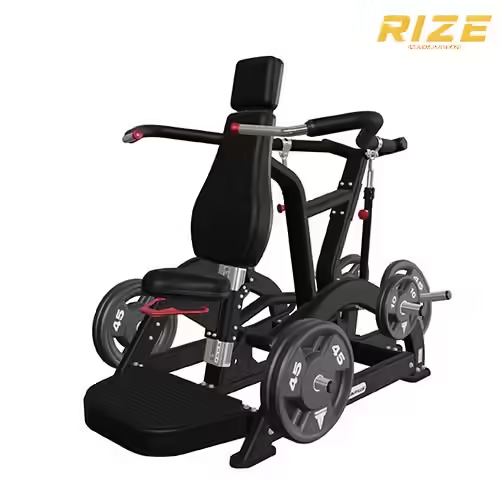
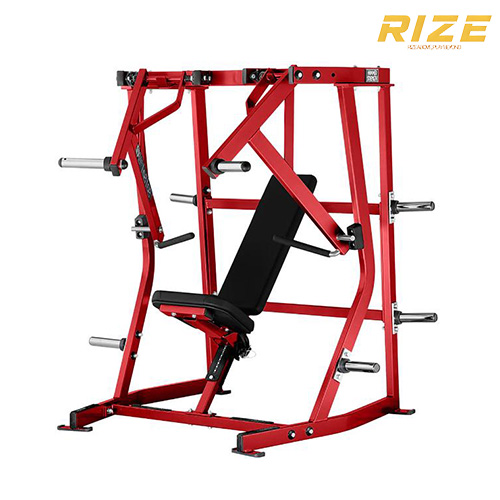
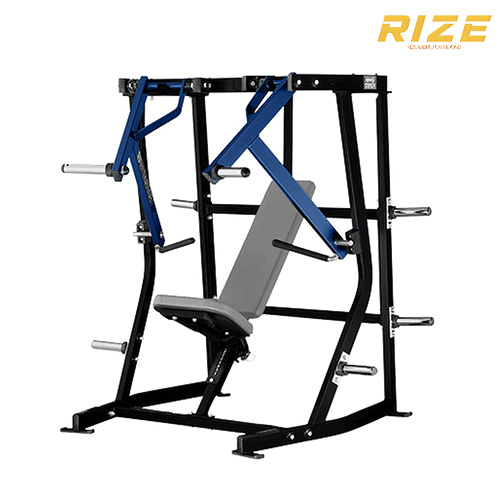
Una máquina de prensa de pecho vertical es un dispositivo de entrenamiento de fuerza diseñado para trabajar los músculos del pecho presionando pesas en una trayectoria vertical. A diferencia de los press de banca de peso libre, que requieren que el usuario equilibre el peso, una máquina de prensa de pecho vertical utiliza una ruta de movimiento guiada que ayuda a mantener la forma correcta y reduce el riesgo de lesiones. Esto lo convierte en una opción popular para equipos de gimnasios comerciales, especialmente para miembros que pueden ser nuevos en el entrenamiento de fuerza.
Estructura y función básica
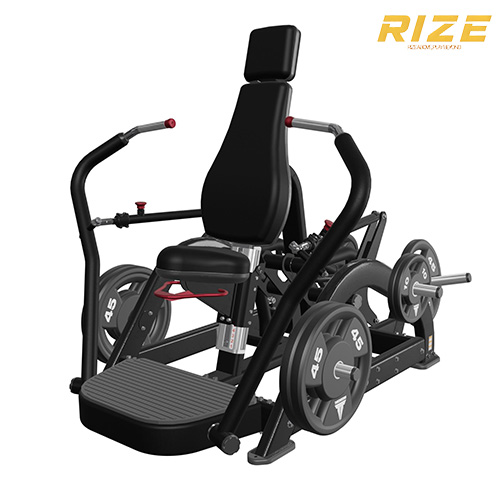
La mayoría de las máquinas de prensa de pecho vertical cuentan con un marco resistente, un asiento ajustable y manijas conectadas a una pila de pesas o un sistema de resistencia cargado con placas. El usuario se sienta erguido y empuja las manijas hacia adelante y hacia arriba, siguiendo un camino fijo. Este movimiento está diseñado para alinearse con el movimiento natural de los músculos del pecho y los hombros, lo que permite un entrenamiento eficaz sin necesidad de observadores.
Cómo encaja en el entrenamiento de fuerza moderno
En los programas modernos de entrenamiento de fuerza, la máquina de prensa vertical de pecho se utiliza a menudo como ejercicio primario o complementario para el desarrollo del pecho. Es adecuado tanto para principiantes como para usuarios avanzados porque proporciona una resistencia constante y ayuda a mantener la forma adecuada. En gimnasios comerciales concurridos, también admite una alta rotación de miembros al ser fácil de usar y rápido de configurar.
Cómo funciona una máquina de press de pecho
Comprender la mecánica detrás de una máquina de prensa de pecho puede ayudar a los propietarios y entrenadores de gimnasios a elegir el equipo adecuado para sus instalaciones. El diseño de la máquina se centra en la estabilidad, el movimiento controlado y la resistencia ajustable.
Mecánica de trayectoria y movimiento de presión
La ruta de presión es una diferencia clave entre las máquinas de prensa de pecho y otras opciones de entrenamiento de pecho. La trayectoria vertical mantiene el movimiento alineado con los hombros y el pecho, reduciendo la tensión innecesaria en las articulaciones. Debido a que el movimiento es guiado, los usuarios pueden concentrarse en la participación muscular en lugar de equilibrar el peso.
Explicación de los sistemas de resistencia
Las máquinas prensadoras de tórax verticales suelen utilizar uno de dos sistemas de resistencia: pilas de pesas o configuraciones cargadas de placas.
- Sistemas de pila de peso son comunes en equipos de gimnasios comerciales porque permiten ajustes de peso rápidos y son fáciles de usar para miembros de todos los niveles.
- Configuraciones cargadas en placa ofrece una sensación de levantamiento de pesas más tradicional y puede proporcionar una carga máxima más alta, que es la preferida por los levantadores avanzados y las instalaciones de entrenamiento de rendimiento.
Ambos sistemas tienen sus ventajas y la mejor opción depende de los objetivos de entrenamiento y la base de usuarios del gimnasio.
Músculos dirigidos por a Máquina prensadora de tórax vertical

Una máquina de prensa de pecho vertical se dirige principalmente a los músculos del pecho pero también involucra grupos de músculos de apoyo. Esto la convierte en una máquina de entrenamiento de fuerza versátil tanto para gimnasios comerciales como para instalaciones de entrenamiento privadas.
Grupos musculares primarios
Los músculos principales trabajados durante una presión vertical en el pecho incluyen:
- Pectoral mayor ñan, el principal músculo torácico responsable de los movimientos de empuje
- Deltoides anteriores -ang la parte delantera del hombro que ayuda a presionar
Compromiso muscular secundario
Los músculos secundarios también contribuyen al movimiento, entre ellos:
- Tríceps -- apoyo extensión del codo durante la prensa
- Músculos centrales ñayuda a estabilizar el cuerpo y mantener la postura correcta
Máquina de prensa de pecho vertical vs. press de banca
Una de las preguntas más comunes que hacen los propietarios y entrenadores de gimnasios es si una máquina de press de pecho vertical es mejor que un press de banca. La respuesta depende de los objetivos del usuario y del entorno del gimnasio.
Comparación de seguridad y estabilidad
Una máquina de prensa de pecho vertical ofrece mayor estabilidad que los pesos libres, lo que la convierte en una opción más segura para principiantes y gimnasios comerciales de mucho tráfico. Debido a que el movimiento es guiado, es menos probable que los usuarios experimenten una avería en la forma o requieran un observador, lo que mejora la seguridad y reduce el riesgo de lesiones.
Eficiencia del entrenamiento en gimnasios concurridos
En los gimnasios concurridos, una máquina de prensa de pecho vertical suele ser más eficiente porque permite a los usuarios ajustar el peso rápidamente y comenzar a entrenar sin tiempo de preparación. Esto es especialmente importante durante las horas pico, cuando el equipo debe ser accesible y fácil de usar para miembros de distintos niveles de experiencia.
Máquina de prensa de pecho vertical vs. horizontal
Otra comparación que surge a menudo es la diferencia entre las máquinas de prensa de pecho verticales y horizontales. Ambos son valiosos equipos comerciales de gimnasio, pero satisfacen necesidades de entrenamiento ligeramente diferentes.
Diferencias en el ángulo de presión
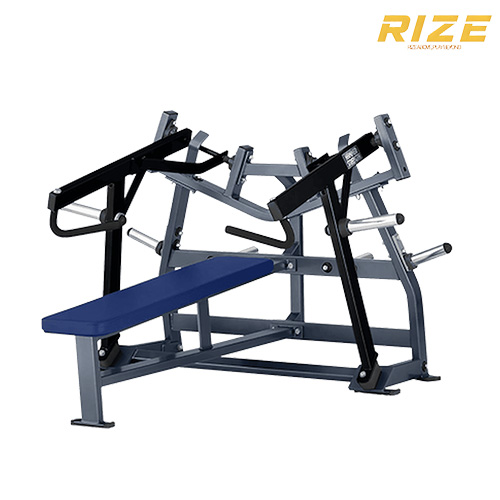
Una máquina de presión de pecho presiona hacia arriba, mientras que una máquina de presión de pecho horizontal presiona hacia adelante con un movimiento de presión de pecho más tradicional. El ángulo vertical puede reducir la tensión en los hombros y, a menudo, es el preferido por los usuarios que necesitan un movimiento más controlado.
Experiencia de usuario y comodidad
Las máquinas de prensa de pecho vertical suelen ofrecer una posición de asiento erguida, que puede resultar más cómoda para algunos usuarios. Las máquinas horizontales pueden parecerse más a un press de banca tradicional, que algunos miembros prefieren para un movimiento de presión más natural.
¿Por qué los gimnasios comerciales eligen las máquinas de press de pecho vertical?
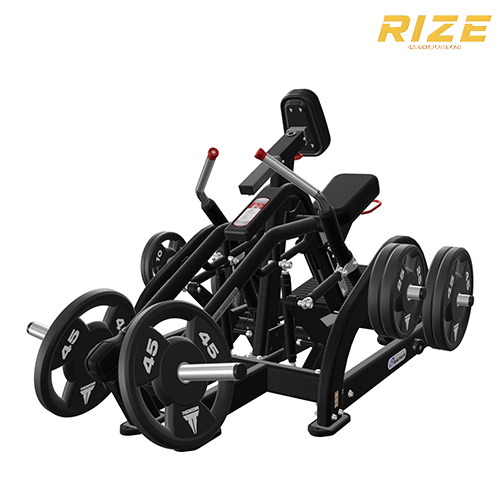
Los gimnasios comerciales eligen máquinas de prensa de cofre por varias razones, incluida la durabilidad, la seguridad del usuario y el uso eficiente del espacio. Estas máquinas están diseñadas para un uso frecuente y confiabilidad a largo plazo, lo que las convierte en una fuerte inversión para los propietarios de gimnasios.
Eficiencia espacial en la planificación de pisos de gimnasios
Las máquinas prensadoras verticales de tórax generalmente ocupan un espacio compacto, lo que ayuda a los propietarios de gimnasios a maximizar el espacio disponible. Esto es particularmente importante para instalaciones con superficie limitada, donde la planificación eficiente del diseño es esencial.
Durabilidad para uso de alta frecuencia
Los equipos de gimnasio comerciales deben soportar un uso diario intenso y las máquinas de prensa de cofres están diseñadas para satisfacer esa demanda. Los materiales de alta calidad, los marcos reforzados y los estándares de fabricación profesionales contribuyen a un rendimiento duradero.
Características clave que debe buscar en una máquina de prensa de pecho vertical comercial
Al seleccionar una máquina de prensa de pecho vertical para un gimnasio comercial, es importante considerar características que afectan la seguridad, la comodidad y el valor a largo plazo.
Material de la estructura y construcción
El material del marco y la calidad de la construcción afectan directamente la durabilidad de la máquina. Los marcos de acero resistentes con soldadura reforzada y acabados resistentes a la corrosión son ideales para entornos comerciales. Un marco sólido también reduce la vibración y garantiza la estabilidad durante el uso intensivo.
Ajustabilidad y Diseño Ergonómico
El diseño ergonómico es esencial para la comodidad del usuario y una biomecánica adecuada. La altura ajustable del asiento, la posición del mango y el respaldo permiten a los usuarios de diferentes tamaños mantener la forma correcta. Esto también reduce el riesgo de lesiones y mejora la eficacia del entrenamiento.
Capacidad de peso y opciones de carga
Una máquina comercial de prensa de pecho vertical debería ofrecer un rango de peso adecuado para una amplia gama de usuarios. Los gimnasios que ofrecen un entrenamiento de fuerza serio se beneficiarán de opciones de carga máxima más altas, mientras que los gimnasios generales pueden priorizar ajustes de resistencia suaves y un diseño fácil de usar.
Estándares de fabricación detrás de máquinas de prensa de pecho vertical de alta calidad
Como fabricante, entendemos que los equipos de alta calidad no se tratan sólo de apariencia: se basan en ingeniería, pruebas y control de calidad constante.
Consideraciones de diseño e ingeniería
Las máquinas prensadoras de tórax verticales de alta calidad están diseñadas teniendo en cuenta la biomecánica. Esto incluye analizar las rutas de movimiento del usuario, los puntos de tensión en el marco y la ergonomía del mango. La ingeniería adecuada garantiza que la máquina admita entrenamientos seguros y eficaces para una amplia gama de usuarios.
Control de Calidad en la Fabricación de Equipos Fitness
El control de calidad es esencial para los equipos de fitness comerciales. Los fabricantes confiables implementan pruebas estructurales, inspecciones de componentes y verificaciones de ensamblaje para garantizar que cada máquina cumpla con los estándares de seguridad y rendimiento. Esto reduce el tiempo de inactividad y garantiza un rendimiento constante a lo largo del tiempo.
Aplicaciones comunes de las máquinas de prensa de pecho vertical
Las máquinas prensadoras de tórax verticales se utilizan en muchos entornos, cada uno con diferentes requisitos de capacitación y patrones de uso.
Centros de fitness comerciales
Los gimnasios comerciales utilizan máquinas de prensa de pecho vertical como parte de su área de entrenamiento de fuerza. La máquina admite una amplia gama de miembros, desde principiantes hasta usuarios avanzados, y ayuda a mantener un entorno de entrenamiento constante.
Instalaciones de formación profesional
Los centros de entrenamiento de atletas y las instalaciones de rendimiento pueden utilizar máquinas de presión de pecho como parte de sus programas de fuerza estructurados. El movimiento controlado y la resistencia ajustable lo convierten en una herramienta útil para el desarrollo específico del pecho.
Cómo elegir lo correcto Máquina prensadora de tórax vertical para tu gimnasio
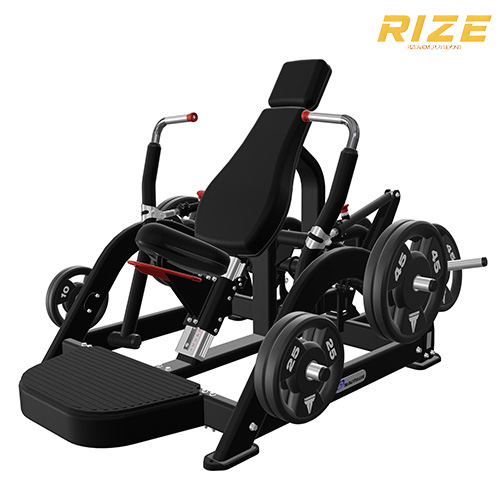
Elegir la máquina de prensa de pecho adecuada implica evaluar los objetivos, la base de usuarios y las necesidades a largo plazo del gimnasio.
Adaptación del equipo al tamaño del gimnasio y al volumen del usuario
Un estudio pequeño puede priorizar equipos compactos con fácil ajuste, mientras que un gimnasio grande puede requerir máquinas más resistentes que resistan el uso frecuente. Comprender las necesidades de los miembros y los estilos de entrenamiento ayuda a seleccionar el equipo adecuado.
Evaluación del valor a largo plazo
El valor a largo plazo es una consideración clave para los propietarios de gimnasios comerciales. Los materiales duraderos, los bajos requisitos de mantenimiento y los estándares de fabricación confiables contribuyen a la vida útil de la máquina. Elegir equipos de alta calidad reduce los costos de reparación y mejora la satisfacción de los miembros con el tiempo.
Tabla comparativa: Características principales de las máquinas de prensa de pecho vertical
| Característica | Qué buscar | Por qué es importante |
|---|---|---|
| Material del marco | Soldadura reforzada de acero resistente | Garantiza durabilidad y estabilidad |
| Tipo de resistencia | Pila de pesas o con placa | Determina el estilo de entrenamiento y el rango de carga |
| Ajustabilidad del asiento | Múltiples posiciones, diseño ergonómico | Admite usuarios de diferentes tamaños |
| Diseño de mango | Agarre cómodo, alineación adecuada | Reduce la tensión y mejora la biomecánica |
| Carga máxima | Alta capacidad para usuarios avanzados | Adecuado para entrenamiento de fuerza comercial |
Conclusión
A máquina de prensa de pecho vertical Es una valiosa adición a cualquier gimnasio o gimnasio comercial. Su movimiento controlado, diseño ergonómico y construcción estable lo hacen adecuado para usuarios de todos los niveles, desde principiantes hasta atletas avanzados. Desde una perspectiva de fabricación, la calidad de los materiales, el diseño de ingeniería y el control de calidad constante son esenciales para garantizar el rendimiento y la seguridad del usuario a largo plazo. Para los propietarios de gimnasios, elegir la máquina de prensa de pecho vertical adecuada significa equilibrar la durabilidad, la experiencia del usuario y los objetivos de entrenamiento. Con el equipo adecuado, una máquina de prensa de pecho vertical puede proporcionar un desarrollo de pecho confiable y contribuir a un área completa de entrenamiento de fuerza en cualquier instalación comercial.
Preguntas frecuentes
P1: ¿Qué es una máquina de prensa de pecho vertical?
Una máquina de prensa de pecho vertical es un equipo de entrenamiento de fuerza que trabaja el pecho presionando pesas a lo largo de una trayectoria vertical guiada. Ofrece un soporte estable y un movimiento controlado, lo que la hace ideal para gimnasios comerciales y centros de fitness.
P2: ¿Qué músculos trabaja una máquina de press de pecho vertical?
Se dirige principalmente al pectoral mayor (músculos del pecho) y al deltoides anterior (hombros delanteros), mientras que también involucra los tríceps y el core para la estabilización.
P3: ¿Cómo es un máquina de prensa de pecho vertical ¿diferente de un press de banca?
A diferencia del press de banca, el press de pecho vertical utiliza una trayectoria de movimiento guiada, lo que mejora la estabilidad y reduce la necesidad de un observador. Además, suele ser más seguro para principiantes y gimnasios comerciales con mucha afluencia.
P4: ¿Debería un gimnasio comercial elegir una máquina de press de pecho vertical con pesas apiladas o con placas?
Las máquinas con pilas de pesas son más fáciles de ajustar y más fáciles de usar para los miembros del gimnasio en general, mientras que los modelos con placas de carga ofrecen una carga máxima más alta y una sensación de levantamiento más tradicional para un entrenamiento de fuerza serio.
P5: ¿Qué características debo buscar al comprar una máquina de prensa de pecho vertical?
Busque un marco de acero resistente, un diseño ergonómico de asiento y manija, configuraciones ajustables y estándares de fabricación confiables para garantizar durabilidad y comodidad en el uso comercial.