Tabla de contenido
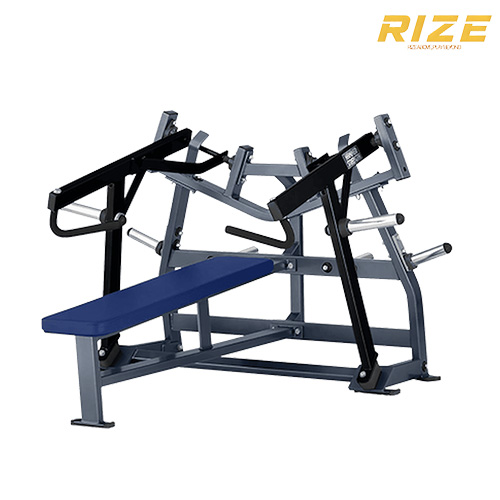
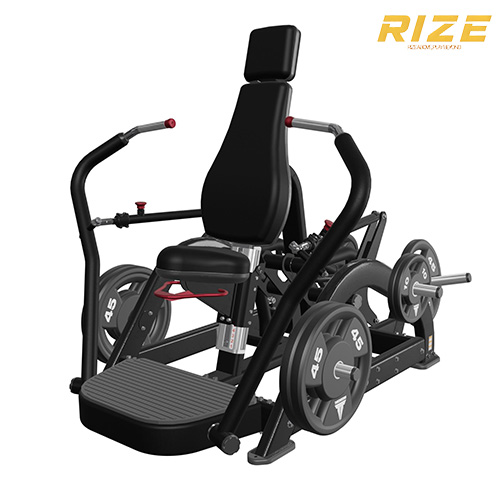
Cuando se trata de construir un pecho fuerte y bien definido, el máquina de prensa de pecho plana sentado A menudo se destaca como una de las herramientas más efectivas en tu arsenal de gimnasio. Ya seas principiante o un levantador experimentado, comprender cómo usar esta máquina y por qué funciona puede mejorar drásticamente tus resultados.
En esta guía, aprenderá todo lo que necesita saber: desde la biomecánica detrás de la máquina hasta cómo programarla en sus entrenamientos, pasando por ejemplos de casos reales y preguntas frecuentes.
¿Por qué? Máquina de prensa de pecho plana sentado Asuntos
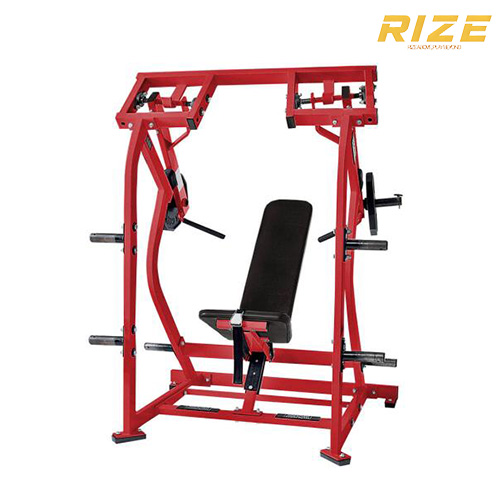
Si alguna vez ha tenido problemas con un desarrollo inconsistente del pecho o se ha estancado en el press de banca tradicional, la máquina de press de pecho plano sentado puede ser un cambio radical para usted.
En esencia, la máquina proporciona mecánica de movimiento fijo, lo que significa que ayuda a controlar la trayectoria de presión. Esto puede:
- Reduce el riesgo de lesiones (especialmente en los hombros)
- Mejorar el aislamiento muscular del pecho.
- Proporciona una estabilidad que las pesas libres no siempre pueden garantizar
Es especialmente útil cuando los músculos estabilizadores están fatigados o cuando desea garantizar la consistencia de la forma.
Según un estudio sobre la mecánica del entrenamiento de resistencia, las prensas basadas en máquinas pueden reducir el estrés articular al tiempo que mantienen una alta activación muscular en comparación con las pesas libres solas (fuente: Biblioteca Nacional de Medicina).
Cómo funciona la máquina de press de pecho plano sentado
A diferencia del press de banca con pesas libres, donde se equilibra la barra, el máquina de prensa de pecho plana sentado Utiliza una trayectoria de resistencia guiada. Esto significa:
- Empuja las manijas hacia adelante horizontalmente
- Tu espalda está apoyada
- Tu rango de movimiento está controlado
Desde el punto de vista biomecánico, esta máquina se enfoca principalmente en pectoral mayor, con participación secundaria de la deltoides anteriores y tríceps.
A continuación se muestra una descripción general del trabajo muscular específico:
| Grupo muscular | Primaria/Secundaria | Papel en el movimiento |
|---|---|---|
| Pectoral mayor | Primario | Modelado del pecho y producción de fuerza |
| Deltoides anterior | Secundario | Ayuda a la presión horizontal |
| Tríceps braquial | Secundario | Extiende los codos durante la presión. |
| Serrato anterior | Estabilizador | Estabilidad escapular |
| Manguito rotador | Estabilizador | Integridad de la articulación del hombro |
Este equilibrio hace que la máquina sea eficaz para la hipertrofia (crecimiento muscular) y ideal para la progresión controlada de la fuerza.
Beneficios que notarás (respaldados por la biomecánica)
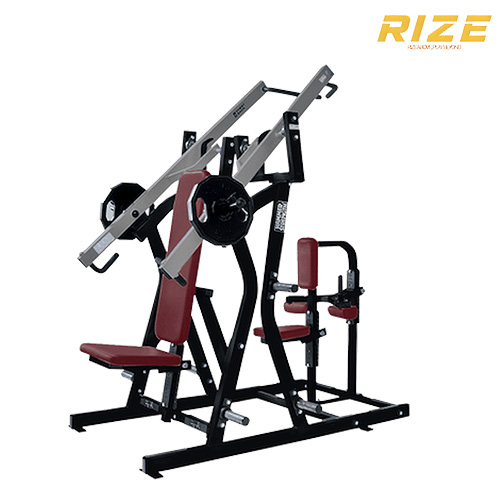
Perfecto para todos los niveles: desde principiantes hasta avanzados
Los principiantes suelen tener dificultades con la trayectoria y la forma de la barra al usar pesas libres. La máquina elimina esta frustración, permitiéndote concentrarte exclusivamente en... contracción del pecho.
Progresiones más seguras con cargas pesadas
Como la trayectoria de presión es fija, puedes empujar cargas más pesadas con seguridad. Esto es especialmente importante si entrenas solo.
Reducción del estrés en el hombro
Si ha experimentado molestias en el hombro al usar pesas libres, apreciará el soporte natural que ofrece la máquina.
Ideal para el aislamiento muscular
Al estabilizar el torso y eliminar las demandas de equilibrio, la máquina se centra en los músculos del pecho, lo que puede mejorar hipertrofia (crecimiento muscular).
Opciones de resistencia variable
La mayoría de las máquinas te permiten ajustar la carga fácilmente, lo que es ideal para series descendentes, súper series o estrategias de carga progresiva.
Cómo configurar y utilizar la máquina de prensa de pecho plana sentado
Incluso las máquinas más avanzadas pueden usarse incorrectamente si la configuración es incorrecta. Aquí tienes un protocolo paso a paso para asegurar una forma óptima:
- Altura del asiento
Ajuste el asiento de manera que las manijas queden a la altura de la mitad del pecho cuando las agarre.- Demasiado bajo → los hombros hacen más trabajo
- Demasiado alto → la participación del pecho disminuye
- Posición de la espalda y los pies
Siéntese erguido con los pies apoyados en el suelo.
Su columna debe sentirse neutra, no excesivamente arqueada. - Ancho de agarre
El agarre debe ser moderado: no demasiado estrecho (tríceps dominante), ni demasiado ancho (tensión del hombro). - Ejecución del movimiento
- Exhala y presiona hacia adelante sin bloquear los codos.
- Haga una breve pausa en la extensión completa.
- Inhala y vuelve lentamente a la posición inicial.
- El control es clave
Evite las repeticiones rápidas e incontroladas. Esta máquina favorece la tensión lenta.
Programando la máquina para obtener resultados
A continuación, te indicamos cómo integrar la máquina de prensa de pecho plana sentado en tu programa semanal según tu objetivo:
Para la hipertrofia muscular
- Representantes: 8‑12
- Conjuntos: 3‑5
- Descansar: 60‑90 segundos
- Frecuencia: 2-3 sesiones por semana
Para la fuerza
- Representantes: 4‑6
- Conjuntos: 4‑6
- Descansar: 2-3 minutos
- Frecuencia: 1-2 sesiones por semana
Para la resistencia
- Representantes: 15‑20
- Conjuntos: 3‑4
- Descansar: 30‑60 segundos
- Frecuencia: 2-3 sesiones por semana
En la práctica, combinar la máquina con otros movimientos compuestos (como flexiones o prensas con peso libre) proporciona un enfoque equilibrado.
Errores técnicos comunes y cómo solucionarlos
Los errores no son solo ineficiencias, sino que pueden reducir el crecimiento y provocar lesiones. A continuación, se presentan errores comunes y sus correcciones:
Error #1 — Encogimiento de hombros
Arreglar: Baja la posición de los hombros para que el pecho guíe el movimiento. Piensa en "hombros abajo y atrás".“
Error #2: Repeticiones demasiado rápidas
Arreglar: Disminuye la velocidad. Concéntrate en presionar durante 2 segundos y regresar durante 3 segundos.
Error #3: Bloqueo de codos en extensión
Arreglar: Deténgase justo antes del bloqueo para mantener una tensión constante en el pecho.
Error #4 — Demasiado peso
Arreglar: Reduce la carga hasta que la técnica adecuada se sienta estable durante 8 a 12 repeticiones.
Ejemplo de caso: De la lucha a la fortaleza
Conoce a Alex, un atleta recreativo de 32 años. Durante años, Alex tuvo dificultades para desarrollar el pecho. El press de banca le resultaba inconsistente debido a molestias ocasionales en el hombro.
La estrategia:
- Incluido máquina de prensa de pecho plana sentado dos veces por semana
- Combinado con ritmo controlado y carga progresiva
- Eliminó el press de banca tradicional durante 4 semanas
Resultados después de 8 semanas:
- La circunferencia del pecho aumentó en 1,5 pulgadas
- 15% aumento en la fuerza de prensado
- Las molestias en el hombro se resolvieron por completo
¿Qué hizo la diferencia? Consistencia + mejor compromiso muscular.
Comparación de máquinas con pesas libres
Mucha gente pregunta si las máquinas son "mejores" que las pesas libres. La realidad es... Ambos tienen un lugar. He aquí una comparación honesta:
| Criterio | Máquina | Pesas libres |
|---|---|---|
| Aislamiento muscular | ⭐⭐⭐⭐ | ⭐⭐⭐ |
| Riesgo de lesiones | ⭐⭐⭐⭐ | ⭐⭐ |
| Curva de aprendizaje | ⭐⭐⭐⭐ | ⭐⭐ |
| Transferencia de fuerza funcional | ⭐⭐ | ⭐⭐⭐⭐ |
| Demandas de estabilidad | ⭐⭐ | ⭐⭐⭐⭐ |
Técnicas avanzadas para romper las mesetas
Si te has estancado, estas técnicas pueden reactivar el progreso:
Series descendentes
Realizar una serie hasta casi el fallo, reducir el peso y continuar.
Representantes solo negativos
Disminuya la velocidad de la fase excéntrica (descenso) a 4-5 segundos.
Entrenamiento de ritmo
Utilice una sincronización controlada como 3‑1‑3 (3 segundos abajo, 1 segundo pausa, 3 segundos arriba).
Superconjuntos
Combine la prensa en máquina con flexiones o aperturas con cable para ganar volumen.
Cada uno de estos métodos aumenta el tiempo bajo tensión y el estrés metabólico, dos impulsores clave de la hipertrofia.
Integración de la máquina en entrenamientos de pecho completos
He aquí un ejemplo día de pecho equilibrado rutina:
- Calentamiento: 5 minutos de remo + trabajo con banda para el manguito rotador
- Press de pecho en máquina: 4 series x 8‑12
- Lagartijas: 3 series x repeticiones máximas
- Vuelo con cable: 3 series x 12‑15
- Press inclinado con mancuernas: 3 series x 8-10
Esta combinación golpea el pecho desde múltiples ángulos y asegura tanto la fuerza como el desarrollo de la forma.
Seguimiento del progreso en el mundo real
El seguimiento de tus entrenamientos te garantiza seguir progresando.
Tabla de seguimiento semanal de muestra
| Semana | Peso (kg) | Representantes | Conjuntos | Notas |
|---|---|---|---|---|
| 1 | 50 | 10 | 3 | Forma estable |
| 2 | 55 | 9 | 3 | Ligera fatiga del hombro |
| 3 | 55 | 12 | 3 | Buen control |
| 4 | 60 | 8 | 4 | Tempo perfecto |
Observe cómo los cambios incrementales y las notas ayudan a refinar las sesiones futuras.
Lista de verificación de seguridad antes de cada sesión
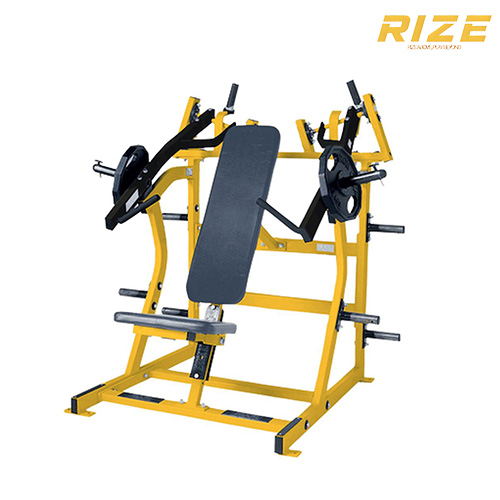
✔ Calentar adecuadamente
✔ Ajuste el asiento y la alineación
✔ Limpiar los mangos de la máquina
✔ Utilice únicamente movimientos suaves
✔ Detenerse si se produce dolor
Terminando
El sentado plano máquina de prensa de pecho No es solo otro equipo de gimnasio: es una herramienta estratégica que puede ayudarte a desarrollar fuerza, refinar la forma y superar los estancamientos con confianza.
Al comprender cómo funciona el movimiento, cómo programarlo inteligentemente y cómo evitar errores comunes, obtendrá todas las ventajas en su camino hacia el acondicionamiento físico.
Sigue entrenando con inteligencia. Tu mejor pecho está a tu alcance.
Preguntas frecuentes
¿Es la máquina de press de pecho mejor que el press de banca?
No necesariamente es “mejor”, pero es más seguro y más consistente, especialmente para principiantes o aquellos que se están rehabilitando de una lesión.
¿Con qué frecuencia debo utilizar la máquina?
De 2 a 3 veces por semana es ideal para la mayoría de las personas cuando se combina con otras variaciones de presión.
¿Puede construir un pecho más grande?
Sí, cuando se utiliza con sobrecarga progresiva y la forma adecuada, puede aumentar significativamente el tamaño del músculo.
¿Debo utilizar máquinas si planeo competir en deportes de fuerza?
Las máquinas son excelentes para el trabajo accesorio, pero las pesas libres siguen siendo esenciales para la fuerza específica del deporte.
¿Cuál es el mejor rango de repeticiones para el crecimiento del pecho?
Por lo general, de 8 a 12 repeticiones por serie con un ritmo controlado es lo óptimo para la hipertrofia.