Table of Contents
Chest press machines are a staple in both home gyms and commercial fitness centers. As a manufacturer specializing in high-quality chest press machines, we understand that selecting the right type can significantly impact your workout effectiveness and safety. This guide provides a comprehensive overview of the different chest press machine types, their benefits, and how to choose the one that best fits your needs.
What Are Chest Press Machine Types?

Chest press machines are strength training equipment designed to target the chest, shoulders, and triceps. Unlike free weights, chest press machines provide guided motion, ensuring proper form and reducing the risk of injury.
The main difference between chest press machine types lies in their resistance system, seating position, and range of motion. Choosing the correct type is essential to achieve your fitness goals efficiently.
Chest press machines are not only used for muscle development but also for improving posture, supporting rehabilitation, and offering safe strength training for beginners and advanced users alike.
Different Chest Press Machine Types and Their Features
There are several types of chest press machines, each designed to meet specific workout needs:
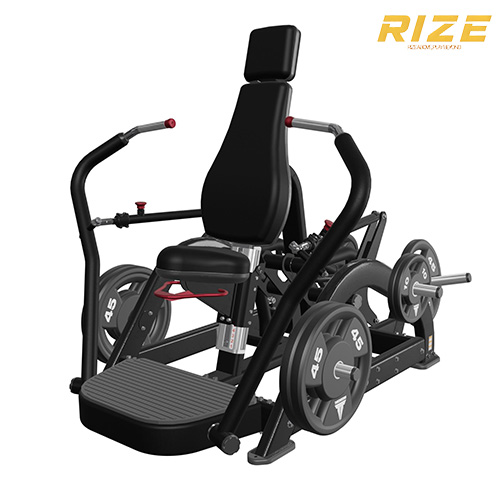
- Seated Chest Press Machines: These provide a stable sitting position, making them ideal for beginners and home gym setups.
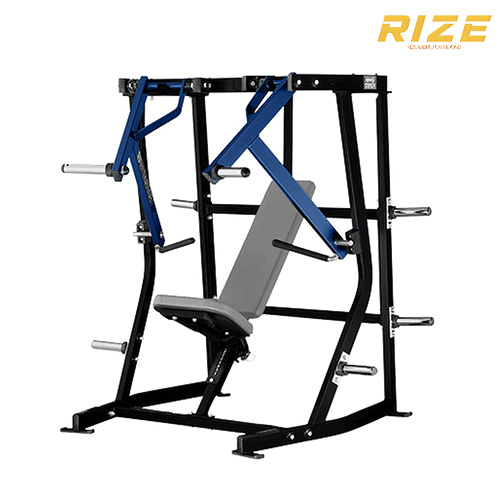
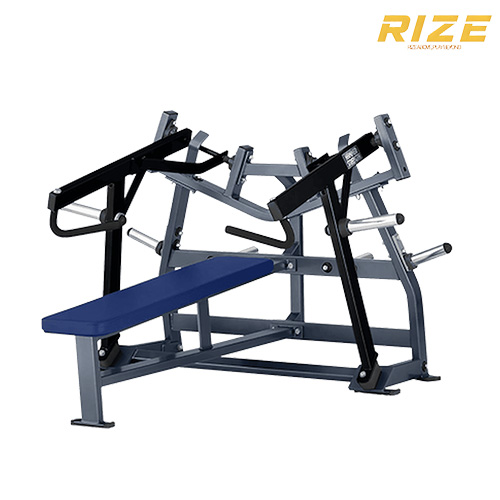
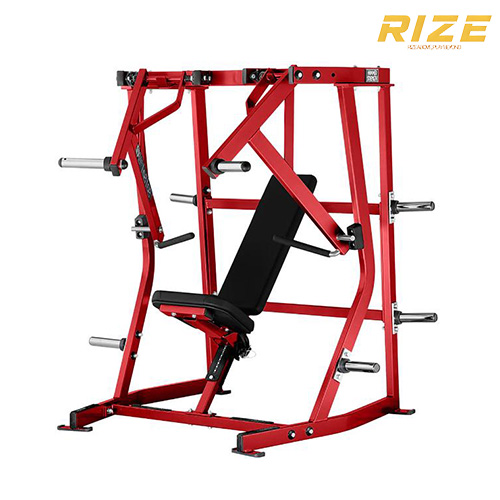
- Lying / Horizontal Chest Press Machines: Also known as incline or flat press machines, they target the upper and middle chest effectively.
- Cable Chest Press Machines: Offer a natural range of motion and adjustable angles for versatile workouts.
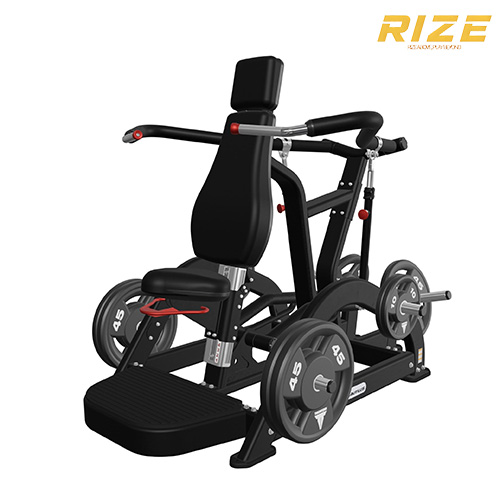
- Plate-Loaded and Lever-Based Machines: These are common in commercial gyms, allowing heavy lifting and progressive overload.
- Pneumatic Chest Press Machines: Use air resistance, offering smooth motion and precise weight adjustment.
- Adjustable Resistance Options: Most modern machines allow users to fine-tune resistance to match strength levels.
Each type comes with unique features, and selecting the one that aligns with your goals and space is crucial.
Benefits of Using the Right Chest Press Machine Type
Using a chest press machine tailored to your needs brings several advantages:
- Muscle Development and Hypertrophy: Machines allow consistent resistance, promoting balanced chest growth.
- Improved Strength and Posture: Targeted exercises strengthen the chest and supporting muscles.
- Reduced Risk of Injury: Guided motion minimizes incorrect form and overextension.
- Suitability for Home Gyms vs Commercial Fitness Centers: Compact machines fit home spaces, while plate-loaded types are perfect for heavy training environments.
How to Choose the Best Chest Press Machine Type
Selecting the right chest press machine requires considering several factors:
- Fitness Goals: Decide whether your goal is strength, hypertrophy, or rehabilitation.
- Space and Budget: Home gyms may require compact, versatile machines, while commercial centers can accommodate larger models.
- Adjustability: Machines with adjustable resistance and seating positions cater to multiple users.
- Build Quality: As a manufacturer, we ensure our machines use durable materials for longevity and smooth operation.
Seated vs Lying Chest Press Machine Types: Which is Right for You?
When deciding between seated and lying chest press machines, consider the following:
| Feature | Seated Chest Press | Lying Chest Press |
|---|---|---|
| Target Muscles | Middle chest, shoulders | Upper and middle chest |
| Beginner-Friendly | Yes | Moderate |
| Space Requirement | Compact | Larger footprint |
| Resistance Options | Stack or lever-based | Plate-loaded or cable |
| Best For | Home gyms, beginners | Commercial gyms, heavy lifting |
Seated machines offer a more stable position and are great for beginners or home gyms. Lying machines provide a broader range of motion and are better suited for advanced training.
Chest Press Machine Types for Beginners vs Advanced Users
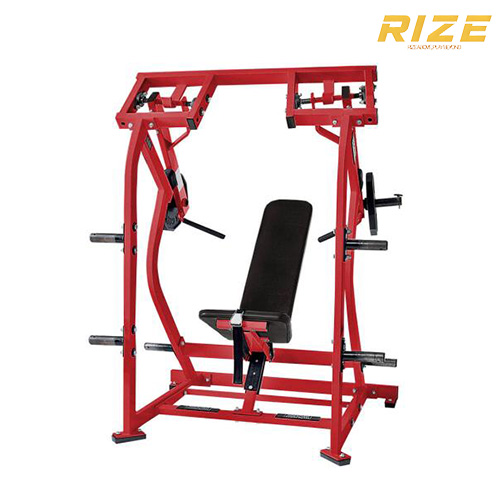
Beginners often benefit from seated or pneumatic chest press machines due to guided motion and adjustable resistance. Advanced users may prefer plate-loaded, lever, or lying chest press machines for heavier lifting and progressive overload.
Proper progression is essential to avoid injury and maximize results. Using the right machine for your level ensures safe and effective training.
Common Misconceptions About Chest Press Machine Types
There are several myths surrounding chest press machines:
- Machines vs Free Weights: Some believe machines are less effective than free weights. In reality, machines provide controlled movement, complementing free weight training.
- All Machines Are the Same: Different types offer unique benefits for specific goals, from rehabilitation to strength gains.
- Home Machines Are Inferior: Modern home gym machines offer advanced features and durable construction comparable to commercial models.
Maintenance Tips for Chest Press Machines
To ensure your chest press machine remains effective and safe:
- Clean the machine regularly to prevent dust buildup.
- Lubricate moving parts and inspect cables or pulleys for wear.
- Adjust seats and resistance stacks periodically for smooth operation.
- For commercial gyms, perform monthly deep inspections to maintain peak performance.
Innovative Features in Modern Chest Press Machine Types
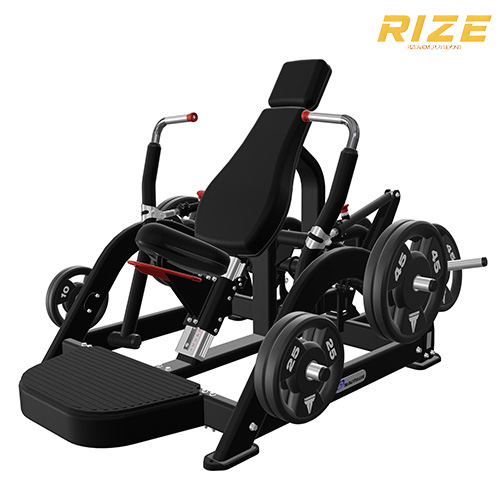
Modern chest press machines incorporate technology and ergonomic design for enhanced user experience:
- Smart Technology: Digital displays track reps, sets, and resistance levels.
- Compact Designs: Ideal for home gyms without sacrificing functionality.
- Enhanced Safety: Ergonomic seating, padded grips, and guided motion reduce injury risk.
As a manufacturer, we focus on combining durability, performance, and user-friendly features in all our chest press machines.
Conclusion
Choosing the right chest press machine type is essential for effective strength training, injury prevention, and achieving your fitness goals. From seated to lying, cable to pneumatic machines, each type has its advantages for home or commercial use.
As a trusted manufacturer, we ensure all our chest press machines meet the highest standards of quality, durability, and safety. Whether you are building a home gym or outfitting a commercial fitness center, selecting the right machine type is the first step toward a stronger, healthier chest.
FAQ
Q1: What are the different chest press machine types?
A1: The main types include seated, lying/horizontal, cable, plate-loaded, lever-based, and pneumatic chest press machines. Each offers unique benefits for strength, hypertrophy, or rehabilitation.
Q2: Which chest press machine type is best for a home gym?
A2: Seated or compact cable chest press machines are ideal for home gyms, as they save space while providing adjustable resistance and safe, guided motion.
Q3: What is the difference between seated and lying chest press machines?
A3: Seated machines focus on middle chest and shoulders with a stable position, while lying machines target the upper and middle chest with a broader range of motion.
Q4: Can beginners use chest press machines safely?
A4: Yes, chest press machines are beginner-friendly. Models like seated or pneumatic types offer guided motion and adjustable resistance, reducing the risk of injury.
Q5: How do I maintain my chest press machine for long-term use?
A5: Regular cleaning, lubrication of moving parts, and periodic inspection of cables, pulleys, and resistance stacks will keep your machine safe and functional for years.