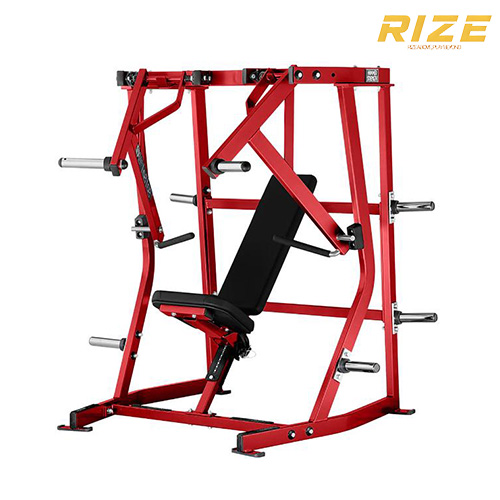
Table of Contents
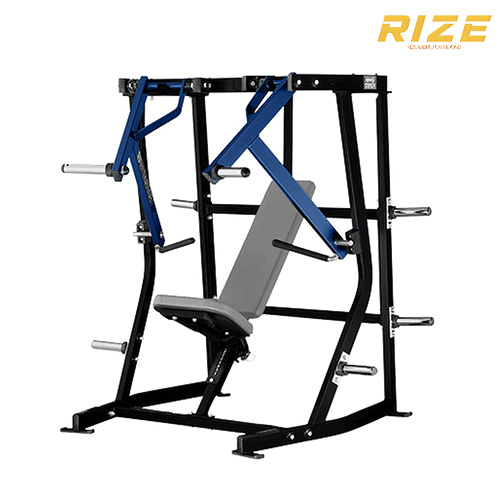
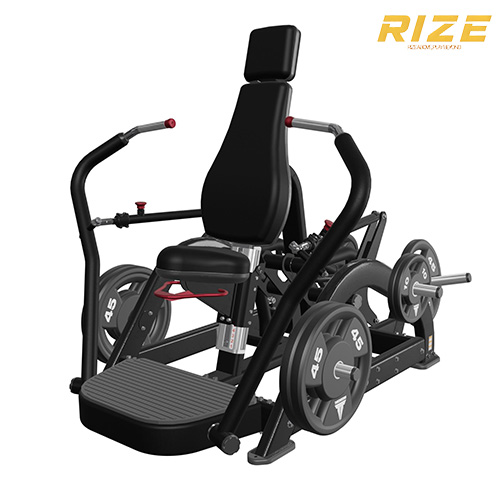
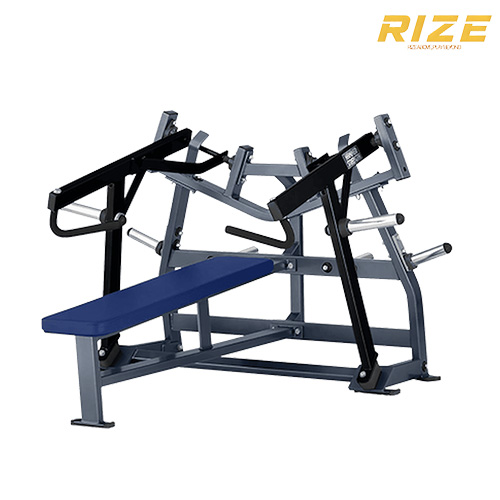
Investing in a high-quality chest press machine for gym is one of the smartest decisions a fitness facility can make. Whether you operate a commercial gym or a boutique training studio, the right equipment can enhance workout experiences, improve member satisfaction, and optimize strength training results. As a manufacturer of premium chest press machines, we understand what features matter most to gym owners, trainers, and fitness enthusiasts. This guide will help you select, use, and maintain a chest press machine that delivers both performance and durability.
Why Invest in a Chest Press Machine for Your Gym

A commercial chest press machine for gym offers multiple advantages over free weights. Unlike dumbbells, machines provide guided motion, reducing the risk of injury and ensuring proper form. This makes them ideal for beginners while still challenging experienced lifters.
Key benefits include:
- Improved safety: Controlled movement patterns help prevent strains and improper lifting techniques.
- Targeted muscle activation: Chest press machines focus on pectorals, deltoids, and triceps efficiently.
- Enhanced member experience: Machines allow multiple users to train simultaneously without the need for spotters.
By investing in a durable, ergonomic chest press machine, gyms can offer a professional training environment that supports both beginner and advanced workouts.
Key Features to Look for in a Commercial Chest Press Machine
When choosing a chest press machine for gym use, consider the following features:
- Adjustable resistance and seat settings: Enables users of all sizes and strength levels to train comfortably.
- Heavy-duty construction: Look for solid frames, high-quality cables, and durable weight stacks to withstand daily commercial use.
- Compact design vs large footprint: Space optimization is critical in busy gyms.
- Safety mechanisms and ergonomic handles: Ensure users maintain proper posture and reduce strain on joints.
Table: Key Features Comparison of Popular Chest Press Machines
| Feature | Standard Gym Model | Premium Commercial Model | Our Chest Press Machine |
|---|---|---|---|
| Weight Capacity | 150 kg | 200 kg | 220 kg |
| Adjustable Seats | Basic | Yes | Fully Adjustable |
| Frame Material | Steel | Reinforced Steel | Heavy-Duty Alloy Steel |
| Safety Handles | No | Partial | Ergonomic Full Support |
| Footprint | Medium | Large | Optimized Compact Design |
Comparing Chest Press Machines for Gym vs Home Use
Commercial vs residential machines differ significantly in durability, weight capacity, and space requirements. Commercial models are designed to withstand continuous use and heavier loads, while home machines are generally lighter and less robust.
- Weight capacity: Commercial machines support more weight, accommodating a wider range of users.
- Space requirements: Home units are compact but may sacrifice stability and ergonomics.
- Cost considerations: While commercial machines are a larger investment, they provide better long-term value for gyms with frequent use.
Chest Press Machine Exercises and Muscle Groups Targeted
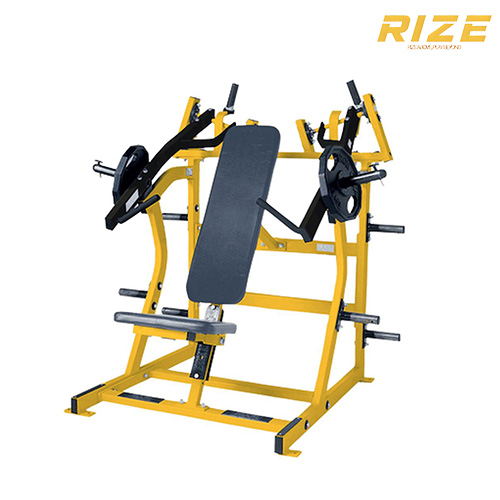
A chest press machine for gym primarily targets the chest (pectoralis major), shoulders (deltoids), and triceps. By adjusting the angle of the bench and grip position, users can perform incline, decline, and neutral grip variations to target different areas of the chest.
Common exercises include:
- Standard seated chest press
- Incline press for upper chest
- Single-arm press for unilateral strength
- Push-pause reps for increased muscle engagement
Maintaining proper form is critical to maximize gains and prevent injury.
How to Properly Use a Chest Press Machine for Maximum Gains
For beginners, using a chest press machine might seem straightforward, but proper technique ensures effectiveness and safety:
- Adjust the seat and handles to align with the chest.
- Select an appropriate resistance or weight stack.
- Sit with your back firmly against the pad, feet flat on the floor.
- Push the handles forward until arms are nearly extended, then slowly return.
- Repeat for the recommended number of repetitions, usually 8–12 per set.
Proper form and consistent use will help gym members achieve strength gains faster while minimizing the risk of injury.
Top Brands and Our Commercial Chest Press Machine Advantage
Many gym owners compare multiple brands before selecting equipment. While several models are available, as a manufacturer, we focus on quality, durability, and user experience. Our chest press machines stand out due to:
- Heavy-duty alloy steel frames for long-lasting use
- Fully adjustable ergonomic seats and handles
- Smooth, guided motion for safe and effective workouts
- Space-efficient design suitable for any commercial gym
Customer reviews often highlight the stability and premium feel of our machines, making them a trusted choice for gyms looking for long-term investments.
Maintenance Tips for Long-Lasting Chest Press Machines
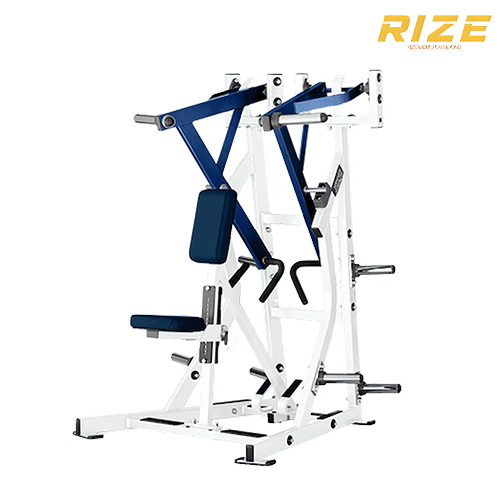
Proper maintenance ensures your chest press machine for gym continues to perform well over time:
- Regular cleaning: Wipe down frames, pads, and handles after each use.
- Lubrication: Keep moving parts like pulleys and weight stacks smooth.
- Inspection: Check cables, bolts, and safety mechanisms for wear or damage.
- Troubleshooting: Address unusual noises or resistance changes immediately to prevent accidents.
Routine maintenance reduces repair costs and extends the lifespan of your gym equipment.
Conclusion
A high-quality chest press machine for gym is an essential investment for any fitness facility. It offers safety, effective muscle targeting, and a superior workout experience for both beginners and advanced lifters. As a manufacturer, we ensure our machines combine durability, ergonomics, and performance, giving gyms long-term value and enhancing member satisfaction. By selecting the right machine, providing proper usage guidance, and maintaining equipment regularly, gym owners can create a professional and safe training environment while maximizing their return on investment.
FAQ
Can a chest press machine replace free weights?
While machines offer safety and targeted muscle engagement, free weights are still valuable for overall functional strength. A combination of both is ideal.
How much space is needed for installation?
Most commercial chest press machines require 6–8 square feet. Compact models are available for smaller gyms.
Are adjustable machines worth the investment?
Yes. Adjustable machines accommodate more users, increasing versatility and long-term value.
Can beginners safely use commercial chest press machines?
Absolutely. The guided motion design reduces the risk of improper form, making it beginner-friendly.