Table of Contents
A chest press machine bench is one of the most essential strength-training machines found in modern commercial gyms and fitness facilities. Designed to provide controlled upper-body pressing movements, it offers a safer and more consistent training experience compared to traditional free-weight benches.
As a professional chest press machine bench manufacturer, we work closely with gym owners, fitness chains, distributors, and project contractors. This guide is written to help buyers and decision-makers better understand how chest press machine benches work, what defines quality, and how to select the right model for long-term commercial use.
What Is a Chest Press Machine Bench?
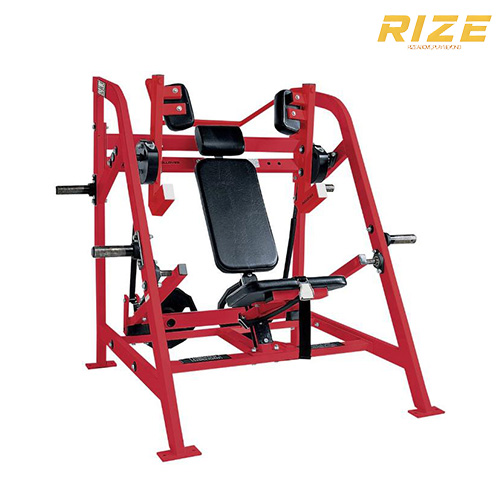
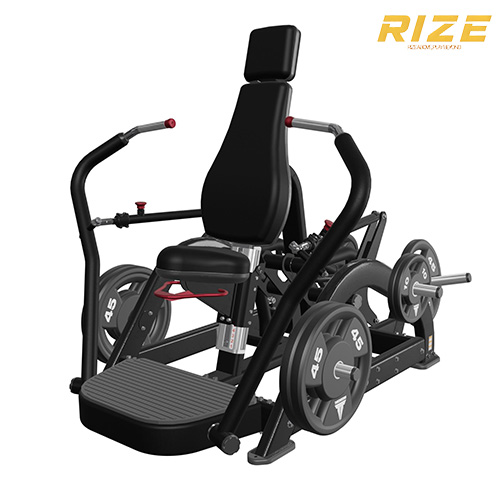
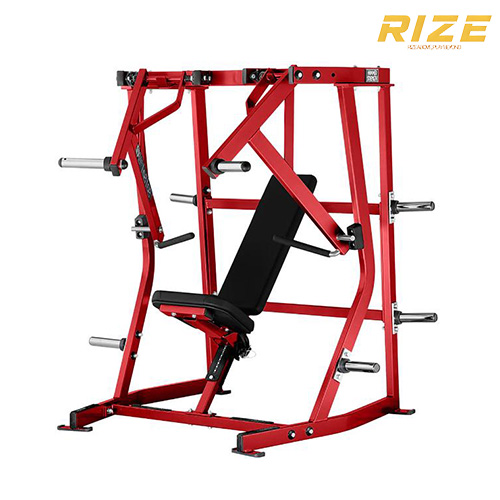
A chest press machine bench is a strength-training machine designed to simulate the pressing motion of a traditional bench press while guiding the user through a fixed movement path. Unlike free-weight benches, the resistance is provided through a weight stack or plate-loaded system, ensuring stability and controlled motion.
Basic Structure and Function
Most commercial chest press machine benches consist of a reinforced steel frame, adjustable seat and backrest, press arms, and a resistance system. The user sits in an upright or slightly inclined position and pushes the handles forward to engage the chest muscles.
Difference Between Chest Press Machines and Free Weight Benches
While a free-weight bench press requires balance and stabilization, a chest press machine bench minimizes uncontrolled movement. This makes it particularly suitable for beginners, rehabilitation users, and high-traffic commercial gyms where safety and consistency are priorities.
How a Chest Press Machine Bench Works
The working principle of a chest press machine bench is based on guided resistance. The press arms follow a predetermined path designed to match natural chest pressing mechanics.
Fixed Motion vs Free Movement
Fixed motion helps users maintain proper form throughout the exercise. This reduces the risk of shoulder strain and improper loading, especially in commercial environments where users have varying experience levels.
Why Controlled Pressing Matters in Commercial Gyms
In fitness centers with high member turnover, controlled movement improves safety, reduces equipment misuse, and lowers maintenance costs over time. For gym owners, this translates into fewer injuries and more reliable equipment performance.
Muscles Worked by a Chest Press Machine Bench
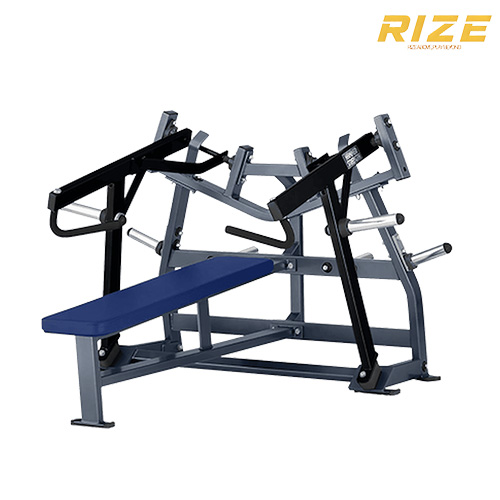
A chest press machine bench primarily targets the chest muscles while also engaging several supporting muscle groups.
Primary Chest Muscles
- Pectoralis major
- Pectoralis minor
These muscles are responsible for pushing movements and chest development.
Supporting Muscle Groups and Stabilizers
- Triceps
- Anterior deltoids
- Upper core stabilizers
Although the movement is guided, these muscles still play an important role in press control and strength development.
Chest Press Machine Bench vs Traditional Bench Press
One of the most common questions from gym buyers is how a chest press machine bench compares to a traditional bench press station.
Safety and Learning Curve
Chest press machines are generally easier to learn and safer to use, especially for beginners. There is no need for a spotter, and the guided motion reduces the chance of dropping weights or losing balance.
Performance and Training Efficiency
Free weights offer greater muscle activation for advanced lifters, but chest press machine benches provide consistent resistance and controlled progression, which is ideal for general fitness populations.
Which Option Is Better for Commercial Fitness Centers?
Most commercial gyms benefit from having both. However, for facilities focused on safety, rehabilitation, or beginner-friendly training, chest press machine benches are often the preferred choice.
Key Benefits of Using a Chest Press Machine Bench in Commercial Gyms
A well-designed chest press machine bench offers several advantages for commercial environments.
Improved User Safety and Injury Prevention
Guided movement reduces joint stress and improper form, lowering injury risk.
Consistent Training Experience for All Users
Regardless of skill level, users can achieve effective chest workouts with minimal instruction.
Space Efficiency and Equipment Durability
Commercial chest press machines are compact, stable, and designed for continuous daily use, making them suitable for high-traffic gyms.
Important Features to Look for in a Commercial Chest Press Machine Bench
Not all chest press machine benches are built to the same standard. Manufacturing quality directly affects performance and lifespan.
Frame Construction and Materials
High-quality commercial models use thick-gauge steel frames with reinforced welding points to handle repeated heavy loads.
Ergonomic Seat and Backrest Adjustment
Adjustable seating ensures proper alignment for users of different heights, improving comfort and muscle engagement.
Weight Stack vs Plate-Loaded Systems
| Feature | Weight Stack System | Plate-Loaded System |
|---|---|---|
| Ease of Use | Very user-friendly | Requires plate handling |
| Space Efficiency | Compact | Slightly larger footprint |
| Maintenance | Lower | Moderate |
| Ideal For | Commercial gyms, fitness chains | Strength-focused facilities |
Chest Press Machine Bench Applications and Use Scenarios
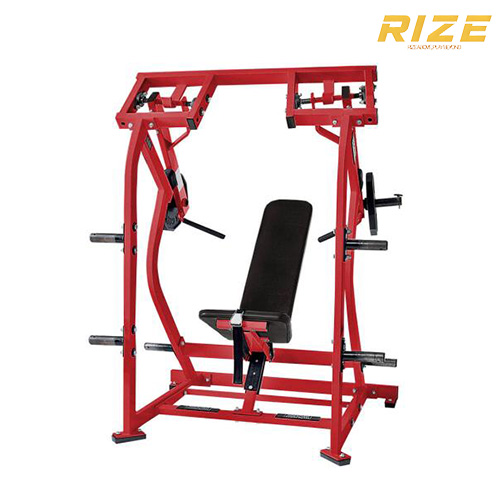
Chest press machine benches are widely used across different fitness environments.
Commercial Gyms and Fitness Chains
They provide a safe and efficient chest training option for large member bases.
Training Studios and Sports Facilities
Controlled resistance is ideal for structured training programs.
Rehabilitation and Beginner-Friendly Training Areas
The guided movement makes chest press machines suitable for recovery and low-impact strength training.
Manufacturing Standards That Define a High-Quality Chest Press Machine Bench
From a manufacturer’s perspective, long-term performance starts at the design and production stage.
Design Engineering and Structural Testing
Professional manufacturers conduct load testing, fatigue testing, and motion analysis to ensure structural stability.
Welding, Assembly, and Quality Control
Precision welding, smooth assembly, and strict quality inspections ensure consistent performance across units.
Load Capacity and Long-Term Durability
Commercial chest press machine benches are designed to withstand thousands of training cycles without compromising safety.
How to Choose the Right Chest Press Machine Bench for Your Gym or Project
Selecting the right model depends on usage intensity and facility goals.
Matching Equipment to User Volume
High-traffic gyms require heavy-duty frames and durable components.
Budget, Maintenance, and Lifecycle Cost
A lower upfront cost does not always mean long-term savings. Manufacturing quality directly affects maintenance frequency.
Customization and OEM Options from Manufacturers
Many manufacturers offer customization options such as branding, upholstery colors, and resistance configurations for large projects.
Common Buying Mistakes When Selecting a Chest Press Machine Bench
Ignoring Frame Strength and Load Ratings
Insufficient frame strength leads to instability and early wear.
Choosing Price Over Manufacturing Quality
Low-cost machines often compromise on materials and structural integrity.
Overlooking After-Sales Support and Spare Parts
Reliable manufacturers provide technical support and replacement parts, which is crucial for commercial use.
Conclusion
A chest press machine bench is a core component of any commercial gym or fitness facility. Understanding its structure, working principles, muscle engagement, and manufacturing standards allows buyers to make informed decisions. For gym owners, distributors, and project contractors, choosing a professionally manufactured chest press machine bench ensures long-term safety, consistent performance, and better user satisfaction. High-quality design and production not only improve training results but also protect your investment over the entire equipment lifecycle.
FAQ
Q1: What is a chest press machine bench used for?
A chest press machine bench is used to train the chest muscles through a controlled pressing movement. It is commonly found in commercial gyms and fitness centers because it offers a safe and consistent upper-body workout.
Q2: Is a chest press machine bench suitable for beginners?
Yes, a chest press machine bench is ideal for beginners. The guided motion helps users maintain proper form and reduces the risk of injury compared to free-weight bench pressing.
Q3: What muscles does a chest press machine bench target?
A chest press machine bench primarily targets the pectoral muscles, while also engaging the triceps and front deltoids as supporting muscle groups.
Q4: What should I look for when buying a commercial chest press machine bench?
When purchasing a commercial chest press machine bench, key factors include frame strength, ergonomic seat adjustment, load capacity, and overall manufacturing quality to ensure durability and safety.
Q5: Can a chest press machine bench replace a traditional bench press?
A chest press machine bench cannot fully replace a traditional bench press, but it complements free-weight training by providing safer, controlled resistance, especially in commercial gym environments.